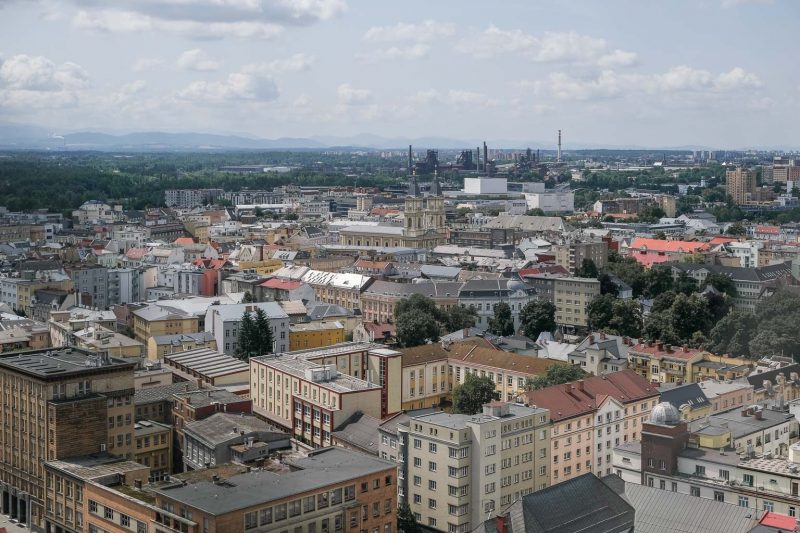
Ostrava, Czechia’s third city, stands proudly on its working class roots and heritage. It’s a place that has been almost entirely shaped and defined by its industrious past. In 1828, the remarkable Dolní Vítkovice ironworks emerged, dedicated to supplying the essential materials required for the ever-expanding railway network. Following the Second World War, under the watchful eye of the Communist regime, this industrial stronghold continued to thrive. Ostrava evolved into a metropolis defined by its labour force, celebrated as the “city of coal and iron” but also earning the derogatory nickname “Black Ostrava”.
Despite the last mine ceasing operation in 1994 and raw iron production in Dolní Vitkovice ending in 1998 after 162 years, Ostrava bears the scars. Towering chimneys and rusted headframes still and litter the skyline and surrounding landscape while a network of abandoned shafts lie deep beneath the ground.

The past quarter of a century have been tough on the city, faced with near economic collapse and a relatively high percentage of the population abandoning the city as long-standing industries did the same, it needed to reinvent itself.
It’s been a long process, but Ostrava’s cultural revival is in full swing: Many of the industrial spaces have been transformed into cultural spaces, galleries, and museums; The city is filled with green spaces and beautiful architecture, finally putting to rest the soot and grime-related nicknames.
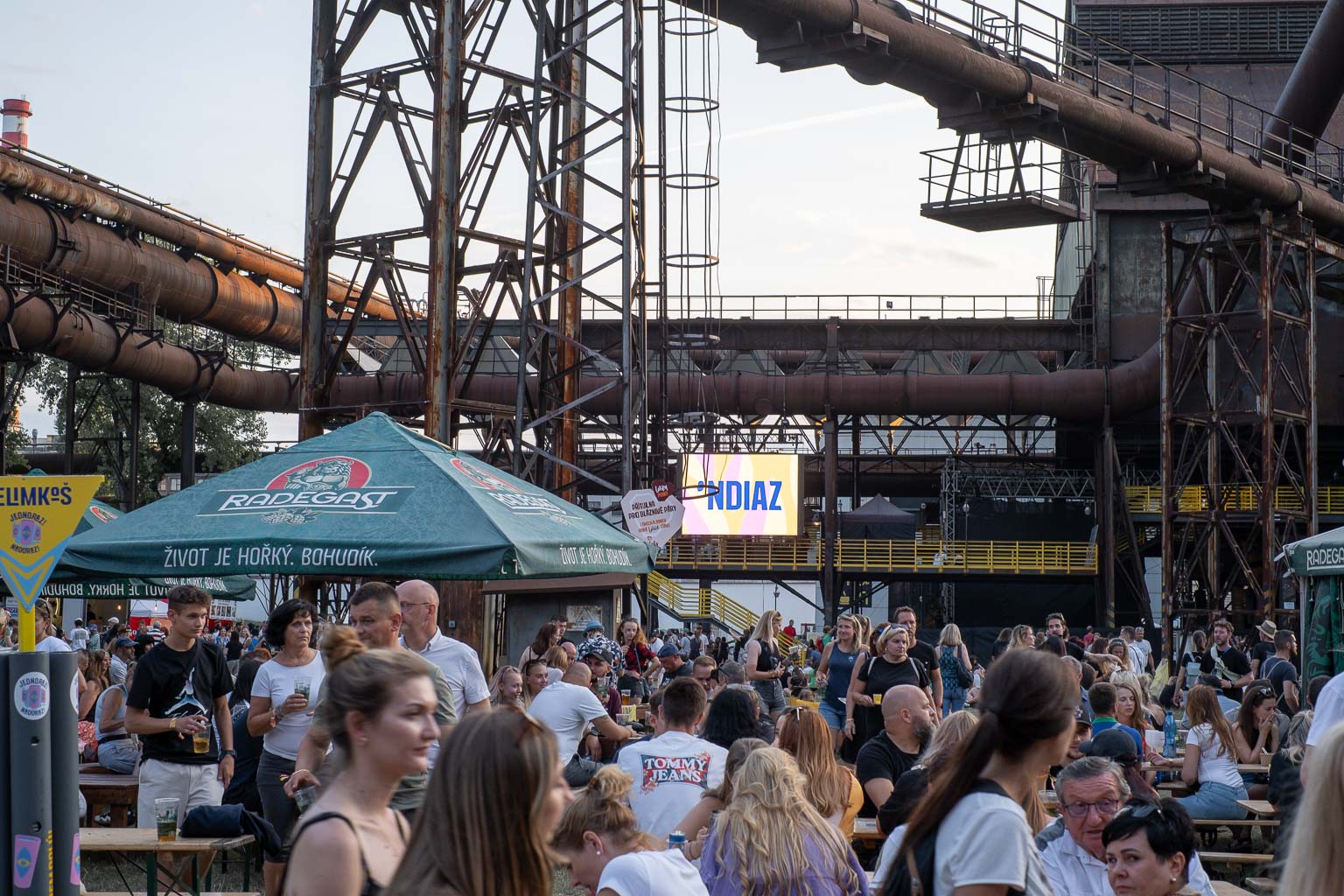
Colours of Ostrava’s rise seems to have perfectly coincided with the city’s post-industrial revolution. Now in its 20th year, North Moravia’s annual multi-genre music festival has grown from a cluster of street performances to what is now Czechia’s largest, attracting around 53,000 punters across 4 days and some of the world’s most popular performers.
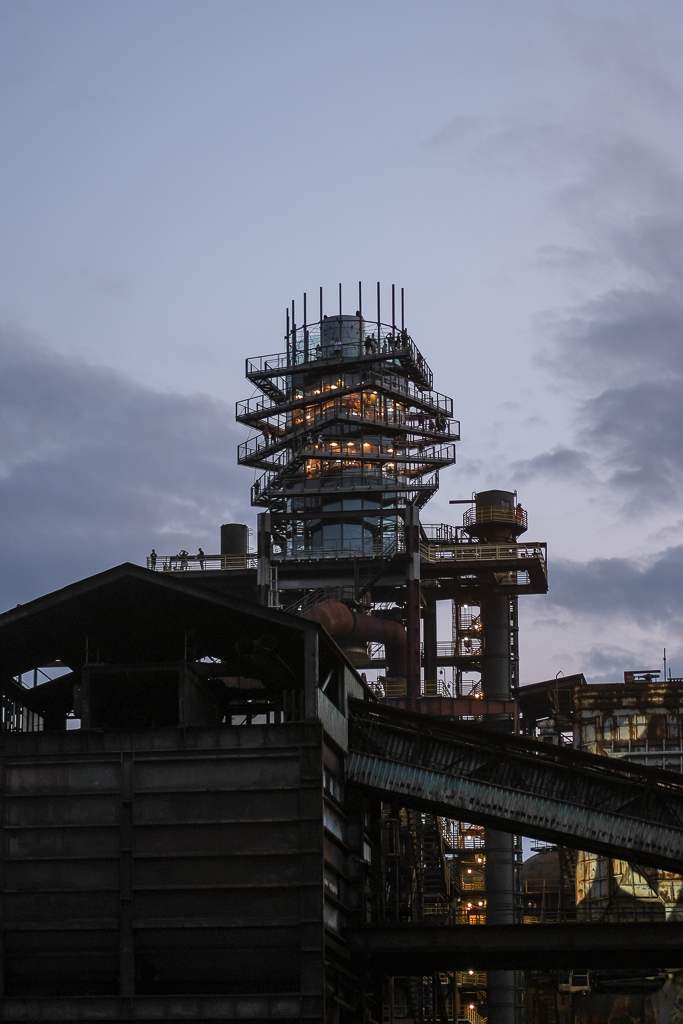
It seems fitting then, that Colours now occupies and makes full use of the defunct Dolní Vitkovice steelworks. This former metallurgical plant, mine and ironworks is a European Cultural Heritage Site that has thankfully not only been left standing proud on the edge of central Ostrava, but has been transformed over the last decade into an educational, cultural, and social center.

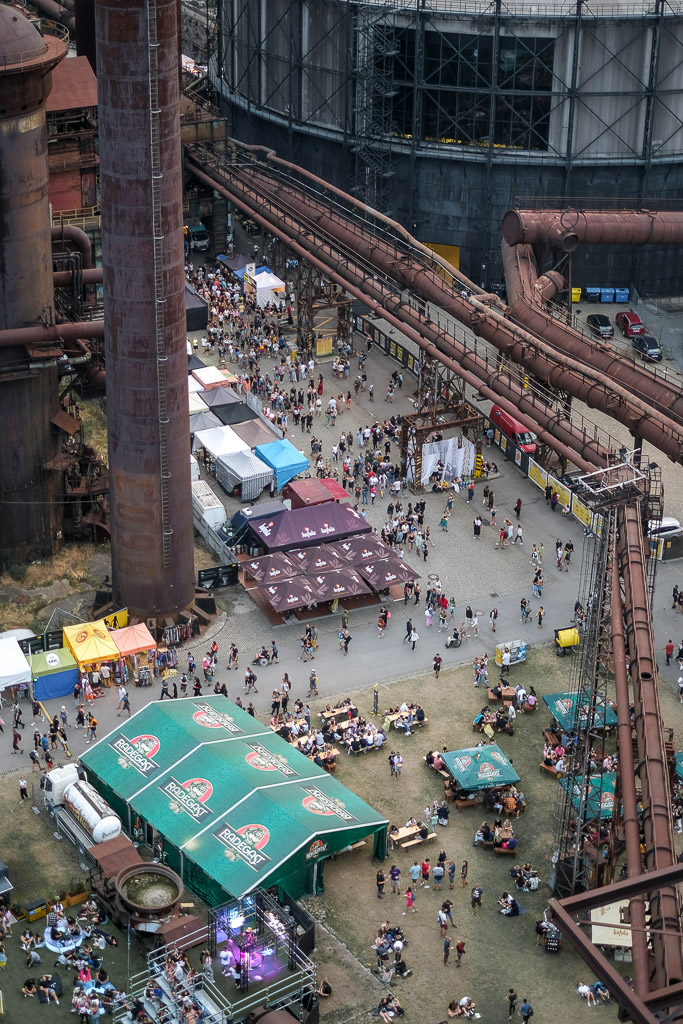
It’s a setting that is used perfectly, giving the festival an almost post-apocalyptic feel. This industrial wasteland in the corner of the city unfurls to reveal a multisensory playground of music, visual art and performance. The two-dozen outdoor and indoor stages sit amongst kilometres of rusting pipelines and occupy every inch of the site, from gaping warehouses and tunnels to cavernous gas storage tanks, breathing new life and colour into this important piece of Ostrava’s heritage.
In a way, Colours is a perfect fit for Ostrava’s new-found transformative ethos, or maybe Ostrava is a perfect fit for the festival. Rather than avoiding the somewhat rough and rugged history of its host city, this festival embraces it.
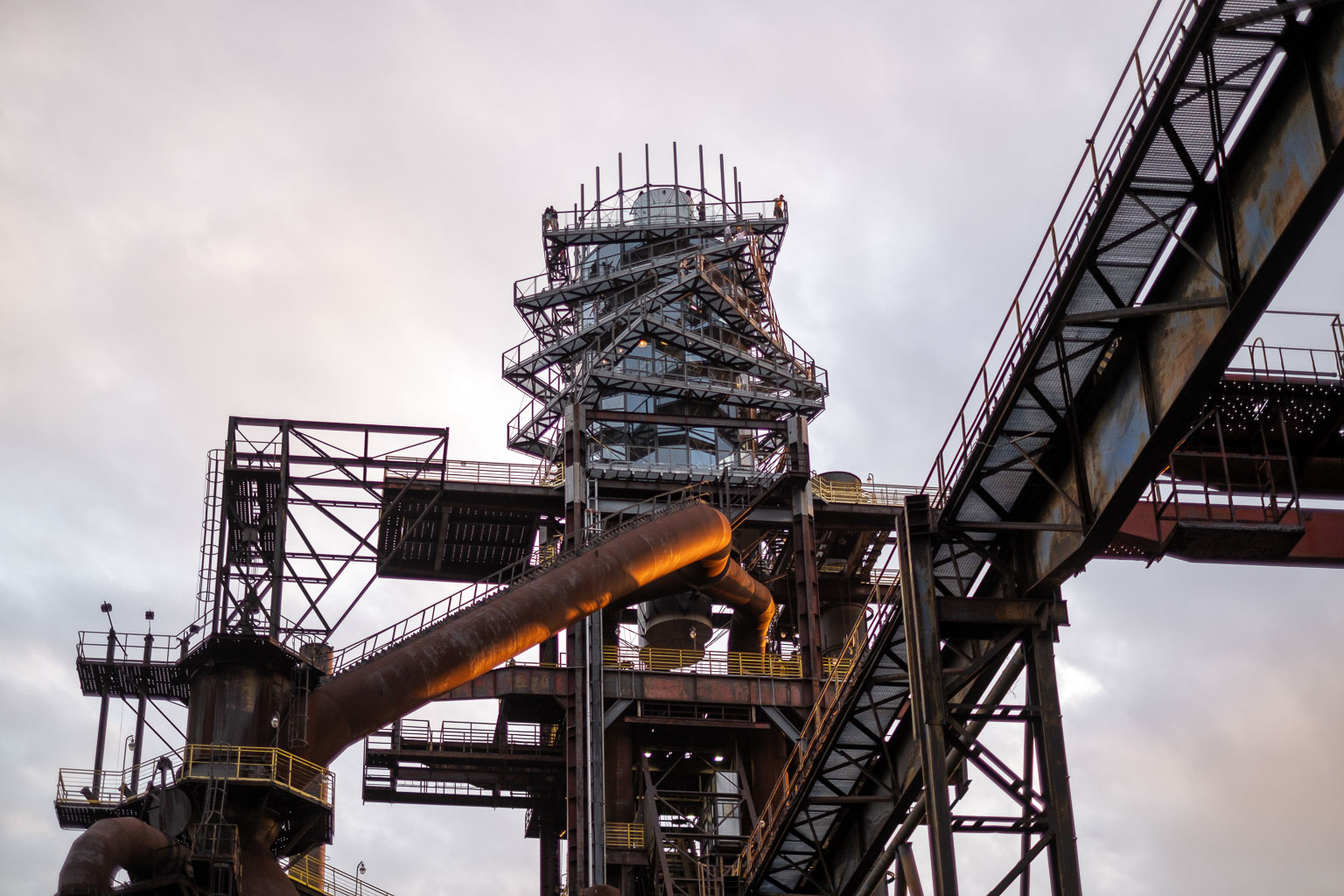
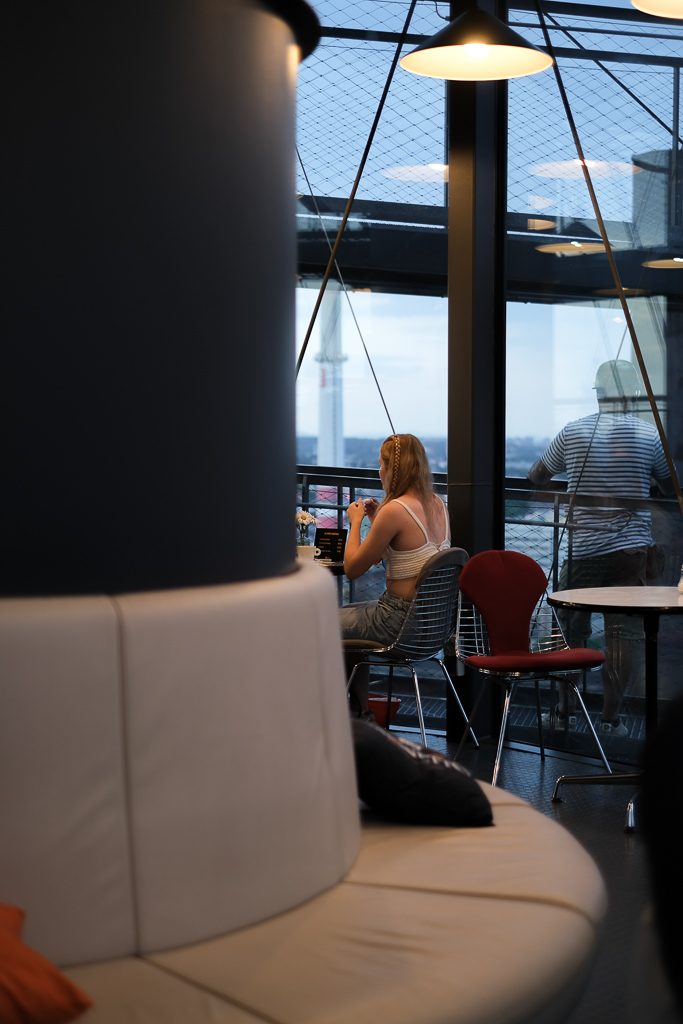
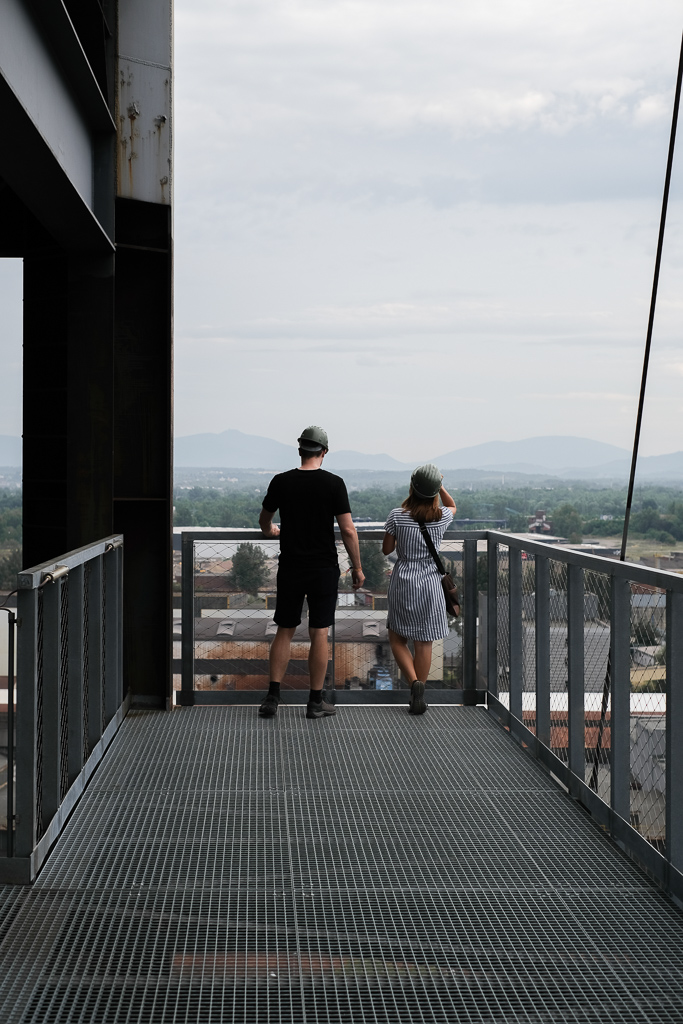
A prime example of this is Dolní Vitkovice’s Bolt Tower, which we scale on the festival’s Friday evening. Standing at 80 metres tall and accessible by a lift and a series of external walkways, the former blast furnace no. 1 has undergone a stunning architectural redesign to feature a glass structure, shaped to mimic fire, rising as far as the factory flames once reached. Inside, the crystalline edifice now hosts a café where you can sip a casual cocktail or beer while soaking up the pulsating beat of the party that plays out below, winding between the warehouses and walkways.
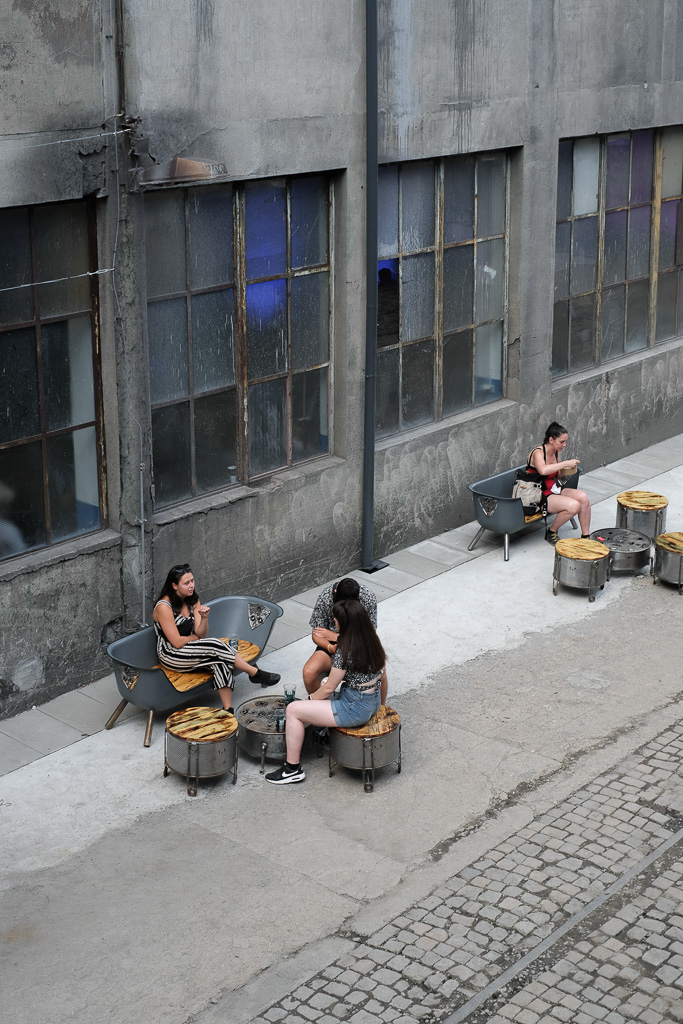
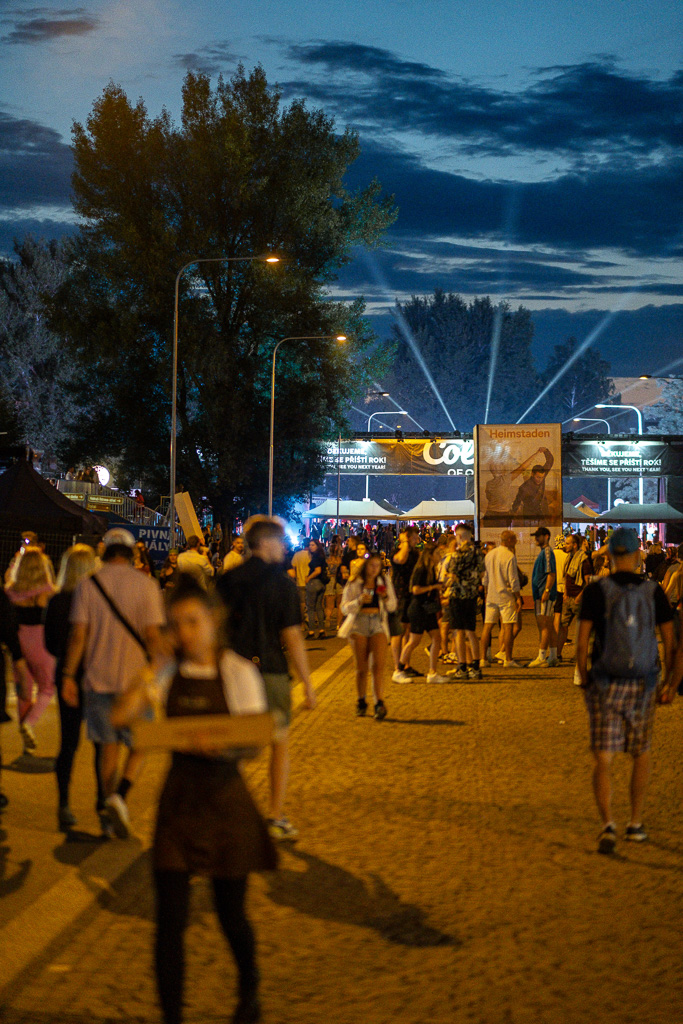
Wandering through the gates into the festival proper on our first day, there are eclectic delights in every corner: Thoroughfares meandering through the ironworks give the site an almost steampunk feel. Sculptures and shimmering mirror ornaments hang from pipelines and graffiti covered statues emerge from between structures. There are craft markets, live artists, and quirky galleries, as well as a courtyard filled with tonnes of yellow sand to turn a grey quadrangle into a place of relaxation. The site is an oasis of quirkiness, wonder and urban rejuvenation in what is otherwise a dilapidated cluster of concrete. The only gripe you could have is that you may miss more of the installations than you will see.
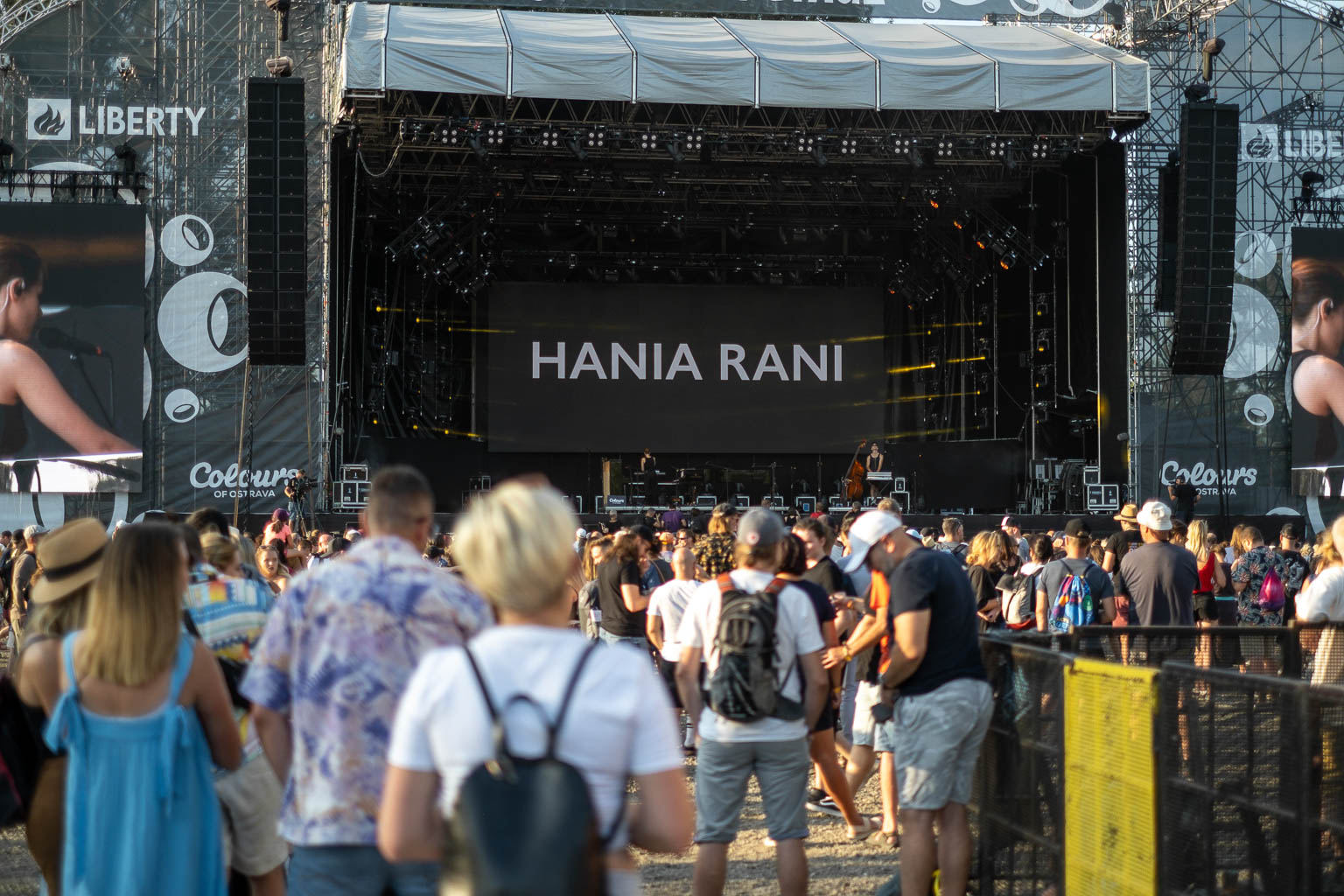
We emerge from the maelstrom to find ourselves in front of the Liberty stage where Hania Rani enchants with her piano chords. While the genres that dominate Colours of Ostrava lean more towards a modern pop bent, this is an eclectic festival at its heart and her ethereal, intertwining vocals and musicianship blend to create a repetitive, hypnotising sound that eases us into the week of festivities.
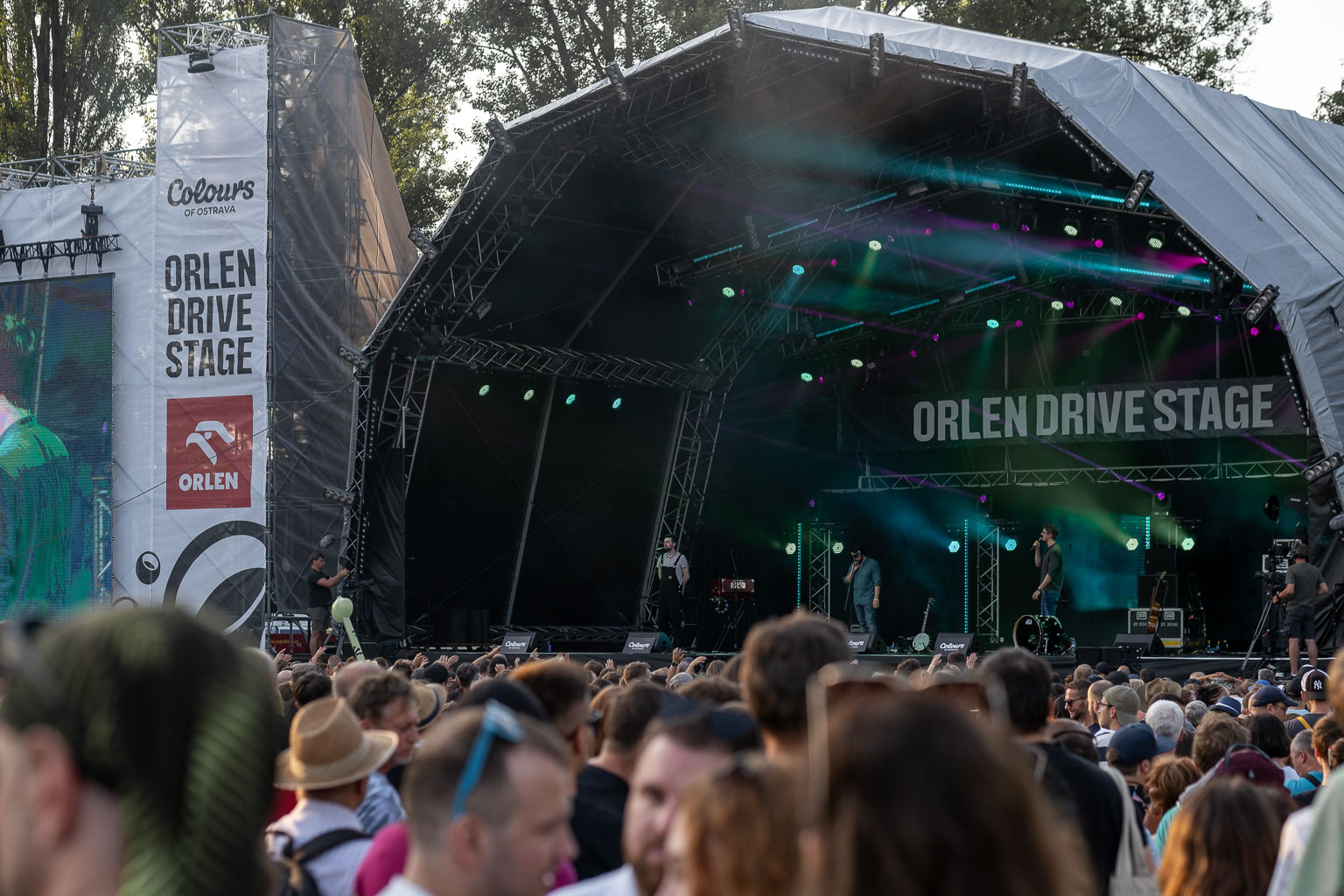
Before long I’ve found a more raucous crowd in the audience for Bristolian acapella group The Longest Johns, a band we stumble across midway through their set on the ORLEN Drive stage. “This song is about beer!” yells one of the band members before they lean into a harmonised vocal rendition of their song ‘Beer is Great’ to a crowd already a few pints of Radegast deep. Despite being from their home country, I had never had any acquaintance with the John’s brand of folksy shanties before, but the Czech audience laps it up. Perhaps not surprising for a nation that consumes more beer per head than any other in the world.
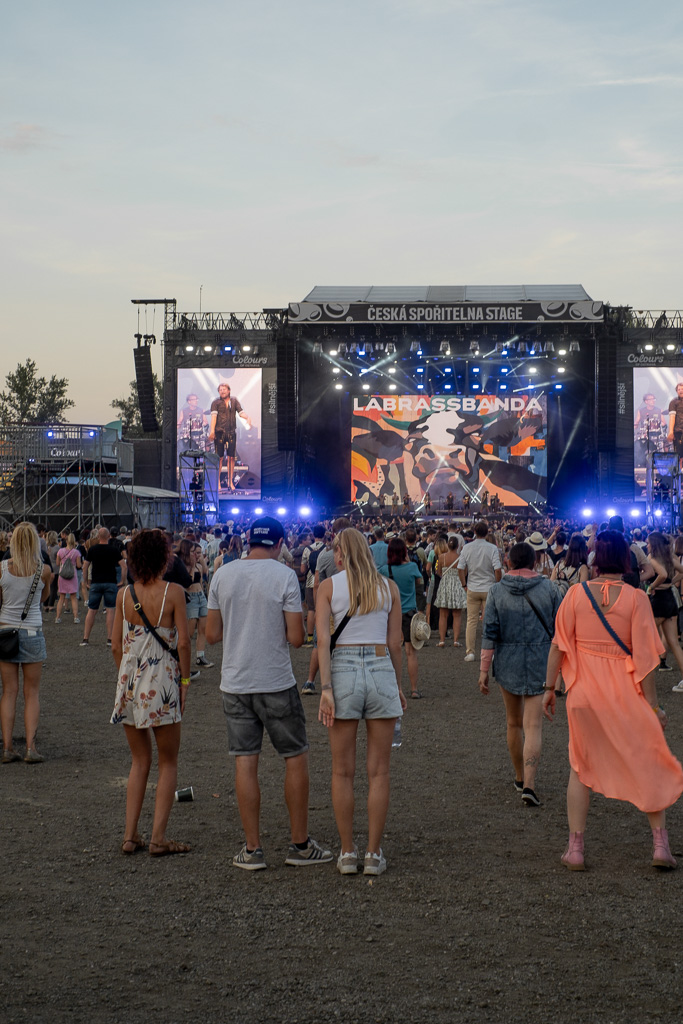
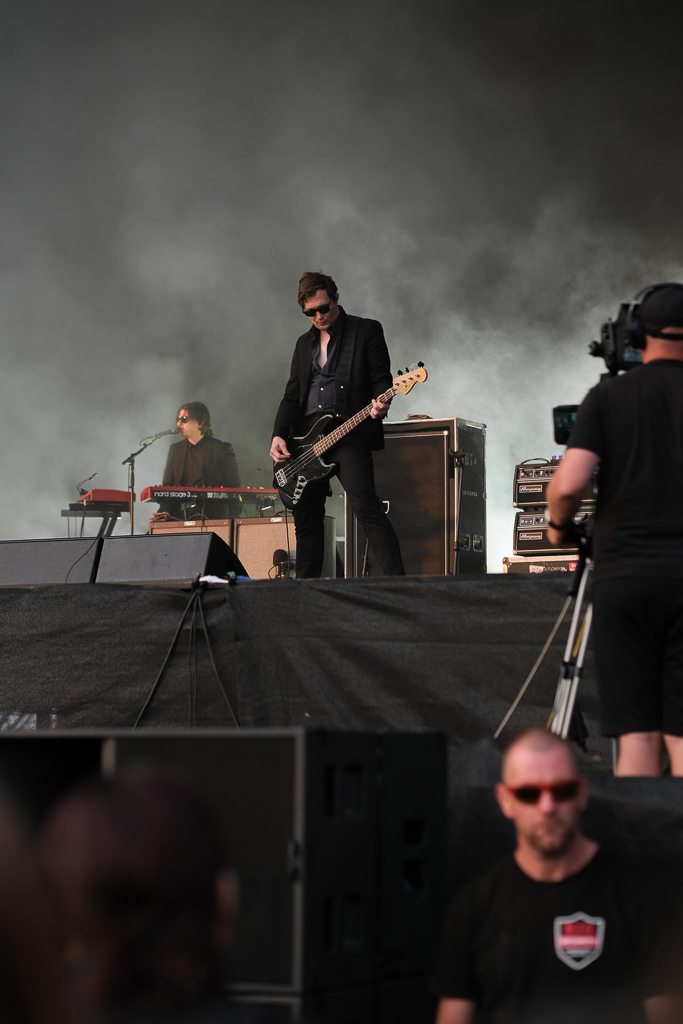
However, the festival’s tendency to hoard genres – from Electronic, punk and blues to raggae, ska and even flamenco – doesn’t mean it lacks for recognisable names. Across the 4 days, a multitude of international stars take to the Colours stage; Between One Republic’s brand of catchy pop perfection and Interpol’s melancholic drones, there are stops offs at Danger’s pulsating electronic beats, and LaBrassBanda’s Bavarian take on ska, techno and punk.
The festival’s second day sees former One-Directioner Niall Horan take to the stage surprisingly low down on the bill, but that doesn’t stop him astounding a swollen crowd of screaming teens before 5-time Grammy winner Jacob Collier wows with a virtuoso-like set of complex and gorgeous compositions in the searing sunshine. The main stage is closed with French pioneer of synthwave and electro house, Kavinsky, who replaces an absent Ellie Goulding with aplomb, managing to subdue any disappointment that the waiting crowd may be feeling.
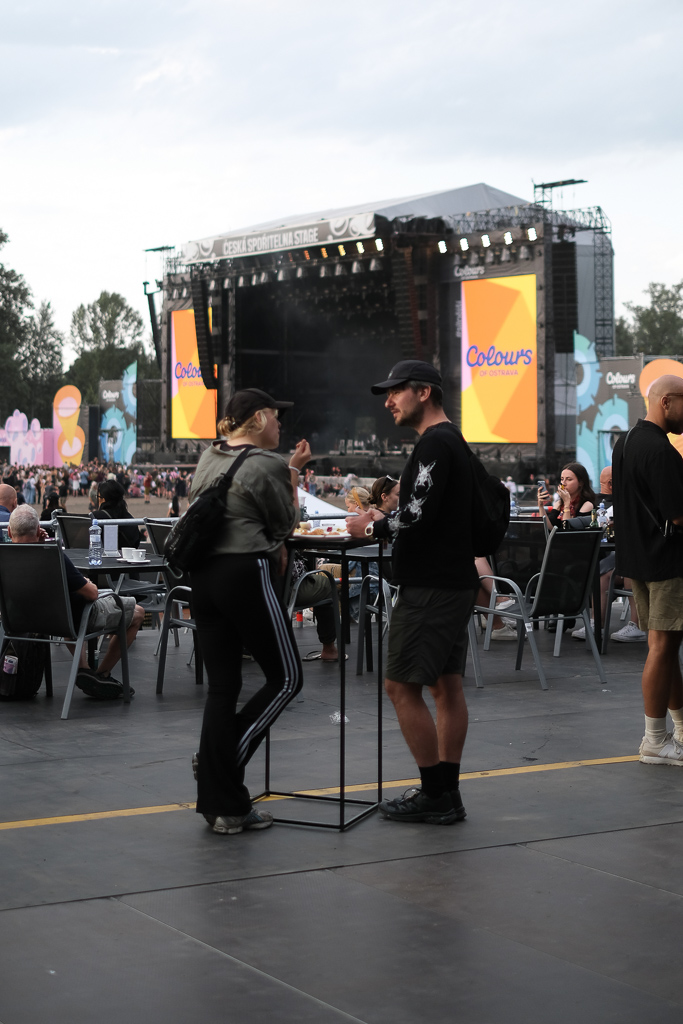
When Friday comes, the festival reaches its zenith. The main stage headliners are shifted to the penultimate slot to allow light and laser-show aided dance megastars to perform late into the night for the weekend revellers. Despite the summer heat giving way to downpours, crowds turn out in force for Tom Grennan’s syrupy and occasionally maudlin renditions of hits like ‘Little Bit of Love’ and ‘Let’s go Home together’. The line “When the sky turns black, I’ll be the light you need,” seems particularly fitting for the occasion and his lad next door/everyman schtick has the audience eating out of the palm of his hand, belting out every word.
Over on the Liberty stage, East Midlands duo Sleaford Mods aren’t quite so lucky, with their humorous-yet-acerbic take on a Tory-ravaged Britain seemingly passing over the heads of the mostly Czech crowd.
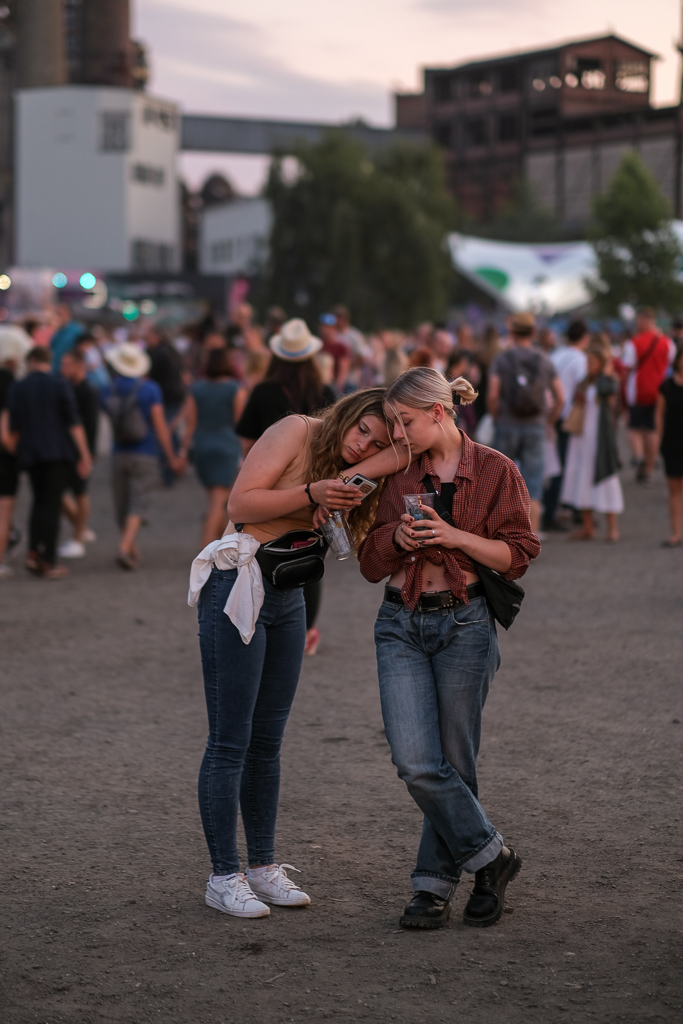

In its own way, Colours’ rejection of any dominant genre forces diversification for punters and throws up some unlikely gems, but it also allows a diversification in the audience themselves. Anyone who has spent summer after summer trawling the UK’s festival scene will be well aware that the crowds tend to skew to youthful end of the demographic spectrum, meaning that the majority of events can verge on hedonistic, drug-and-alcohol fuelled all-night ragers. Sometimes for better and sometimes for worse.
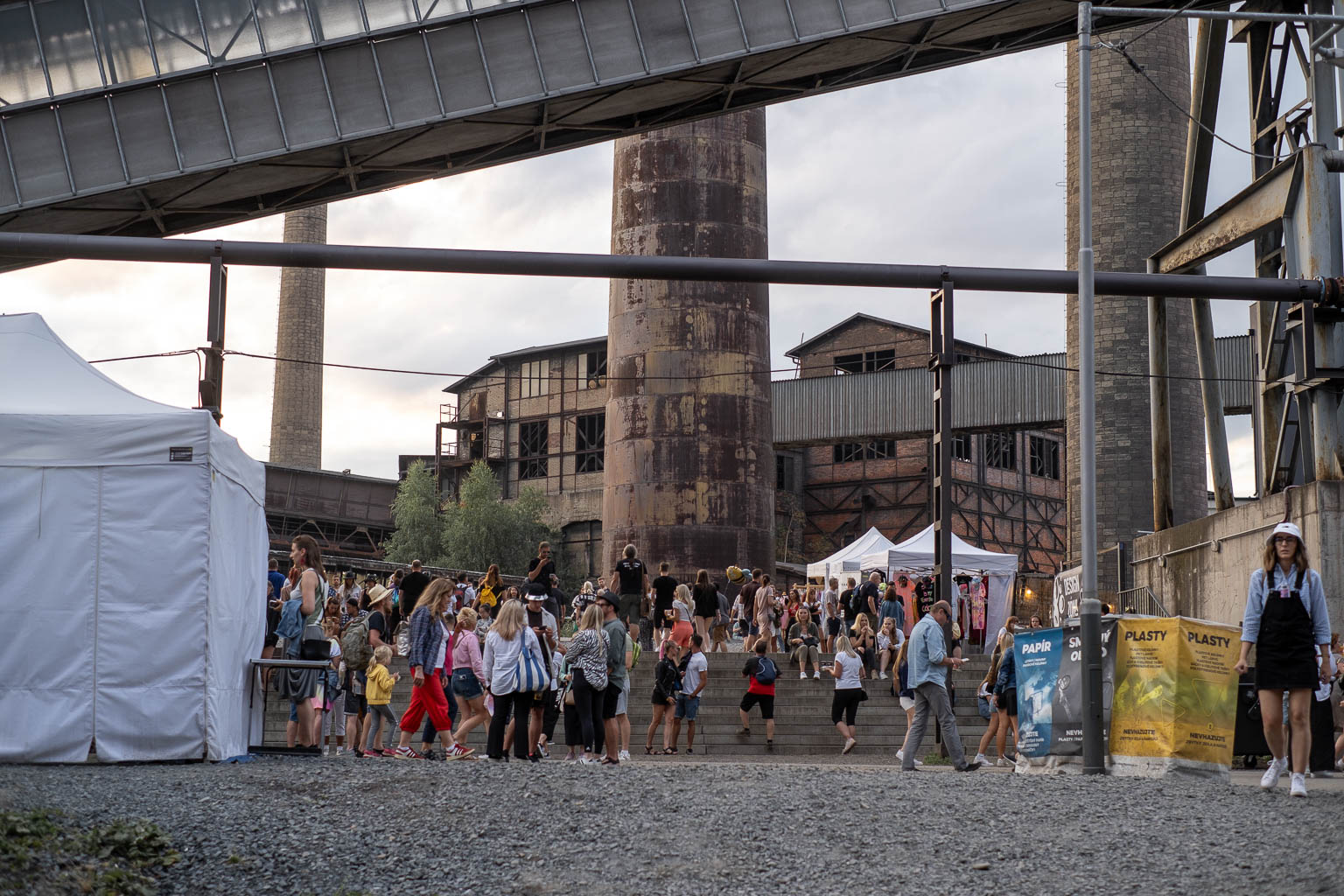
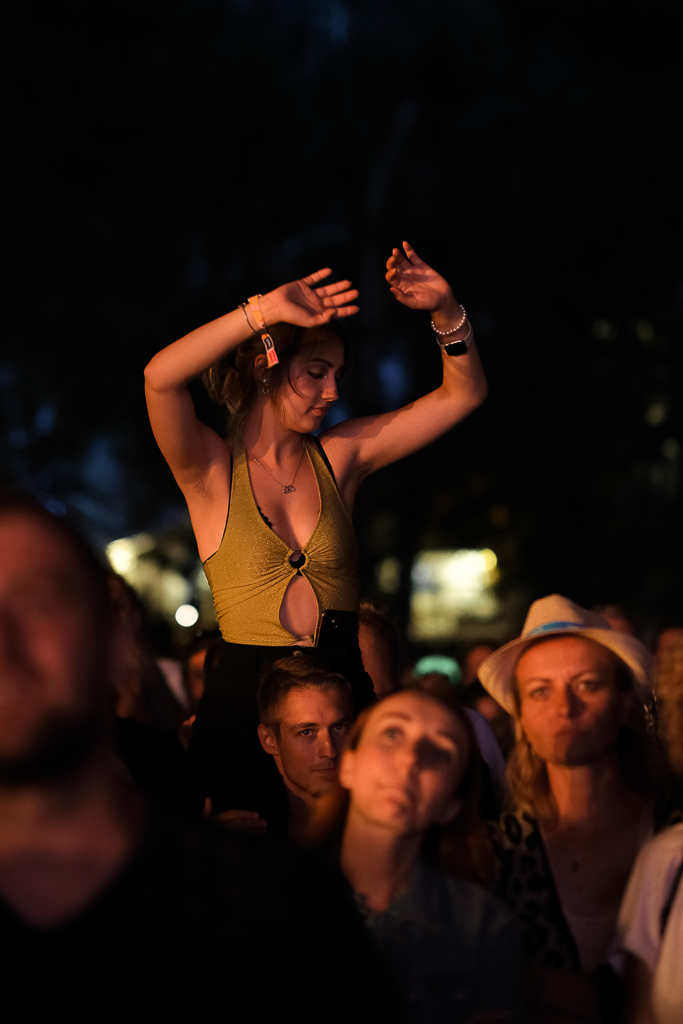
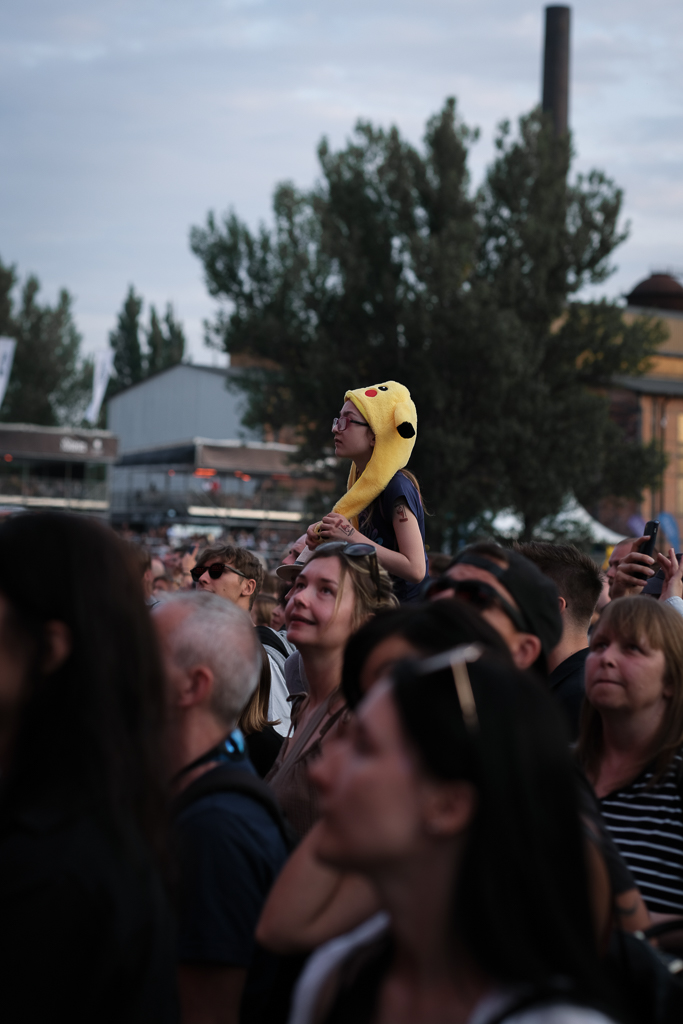
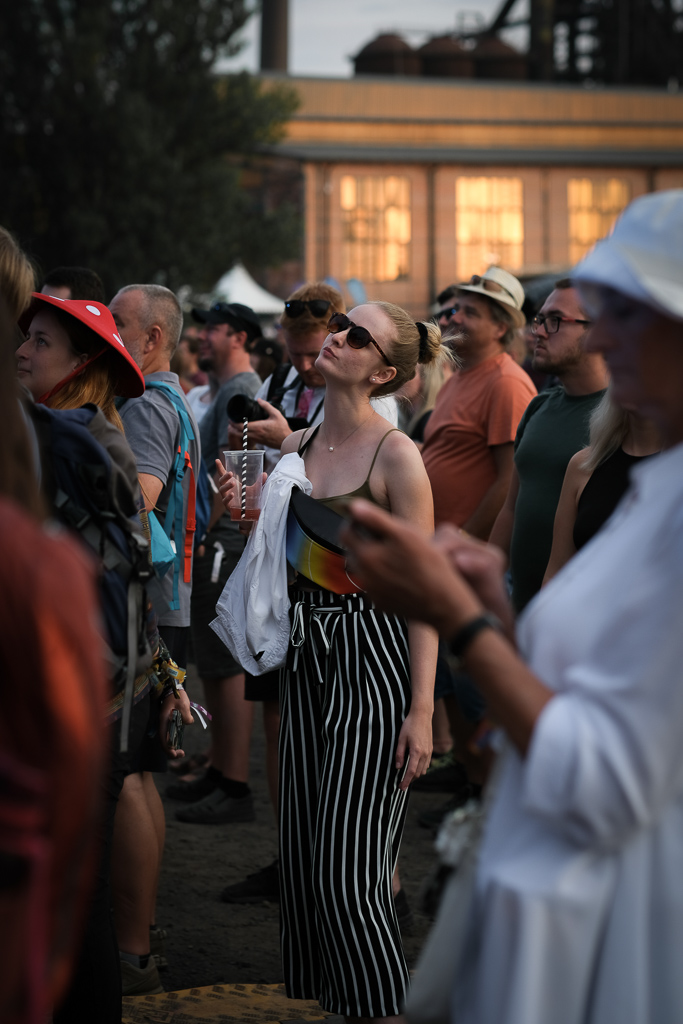
However, here the crowd crosses generational boundaries with inclusivity being one of the festival’s cornerstones. For many Ostrava residents, the event is a family tradition. Children gain free entry and the ČEZ Family Park – full of music, theatrical performances, dance classes and workshops – catering to the needs of the over 4,000 children that attend.
More than 1,200 over-65s gained complimentary tickets on the Saturday of the festival alone and the Colour’s Without Barriers programme means that the site is completely wheelchair accessible and that attendees that hold a ZTP card (or EU equivalent disability cards) can also purchase discounted tickets on site.
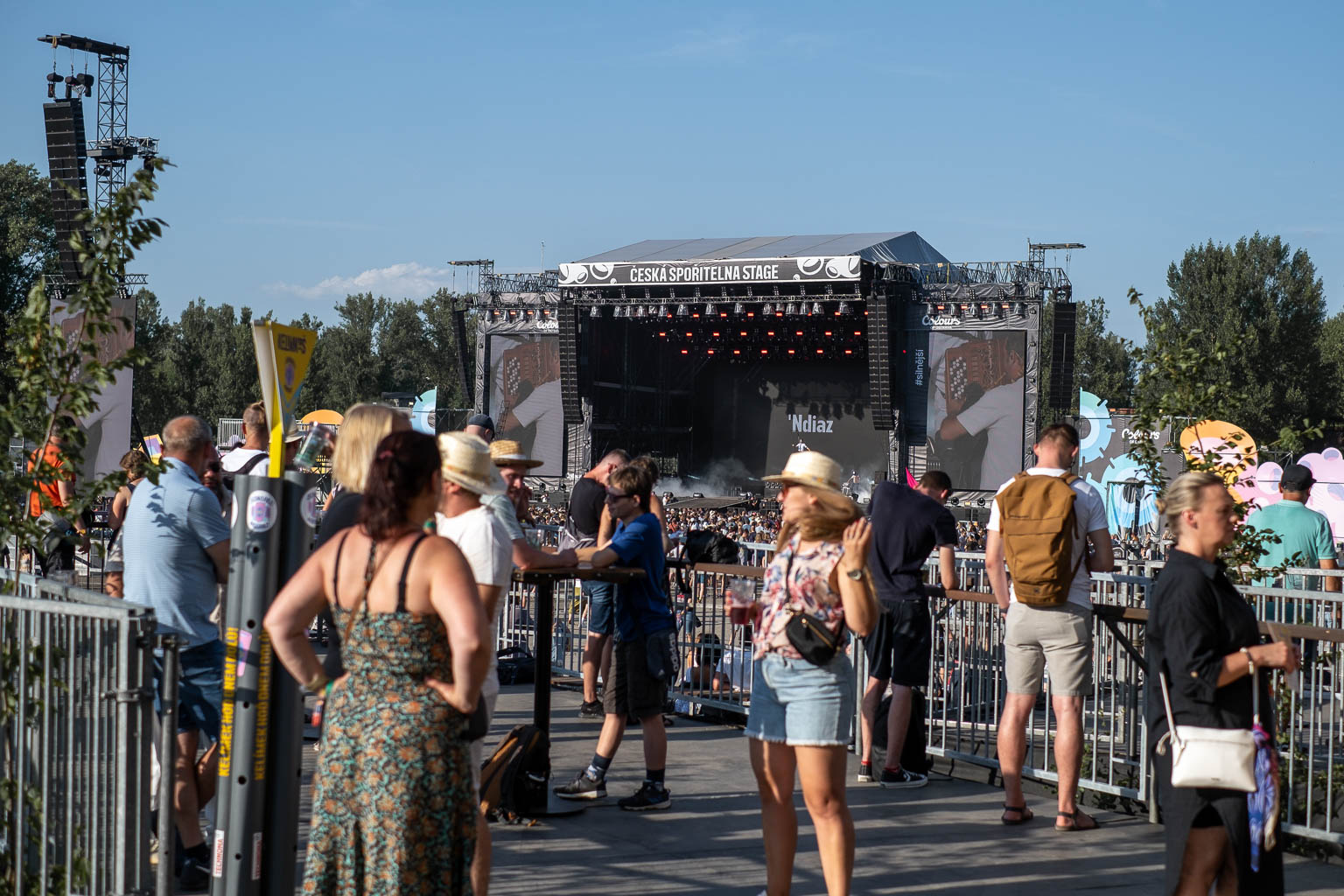
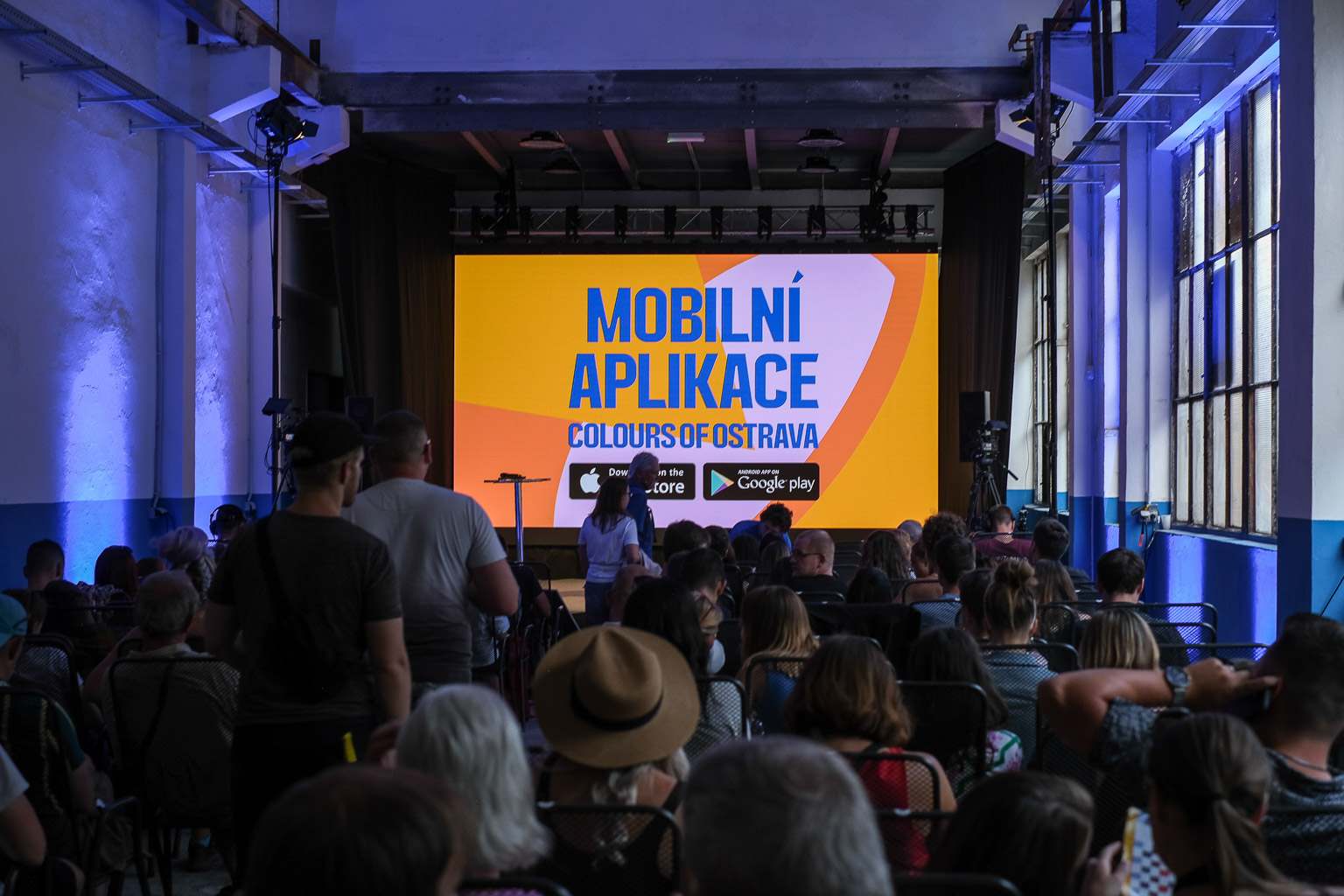
I arrive earlier on the festival’s final day, hoping to spend a bit more time exploring every nook and cranny of the Dolní Vitkovice and its sprawling surroundings. The festival expands its boundaries in gloriously weird and wonderful ways – like in a heavily penis-themed art gallery, a biohacking expo, and the adjoining Melting Pot – Europe’s largest multidisciplinary forum – which featured over 200 speakers from the fields of science, technology, geopolitics, literature, art, philosophy, and personal development talking across a dozen stages on this year’s theme of ‘Longevity’.
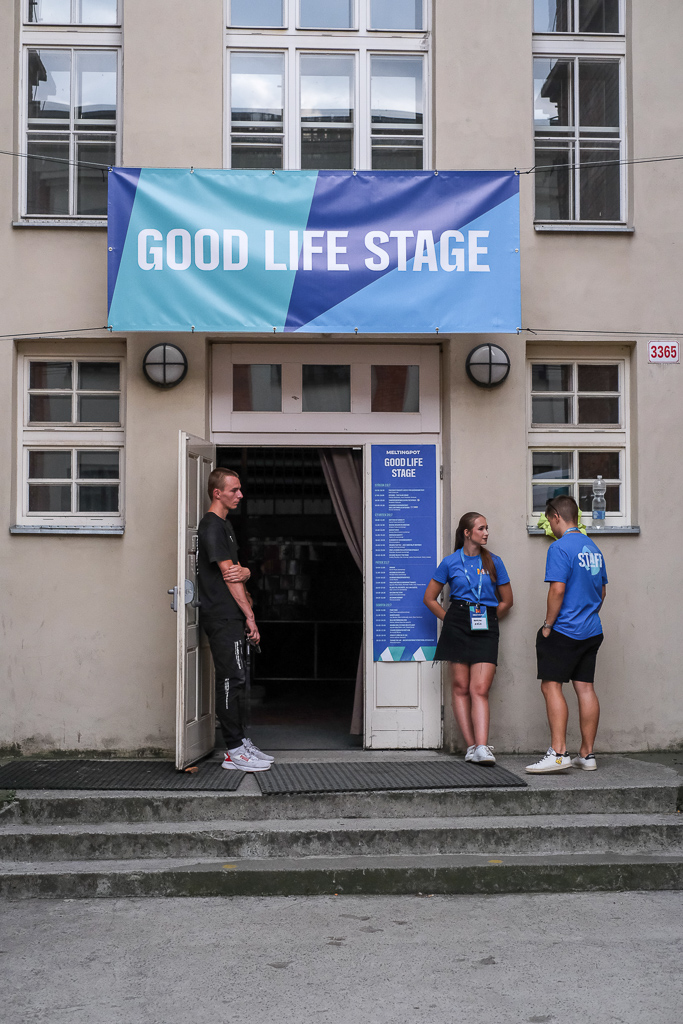
Delving deeper, you find stages and performance spaces intertwined with the hulking architecture; the smaller stages weave between pipes and steam outlets and at one point I find myself in a bunker-cum-wine bar where a band belts out Moravian folk while dressed head to toe in traditional Czech dress.

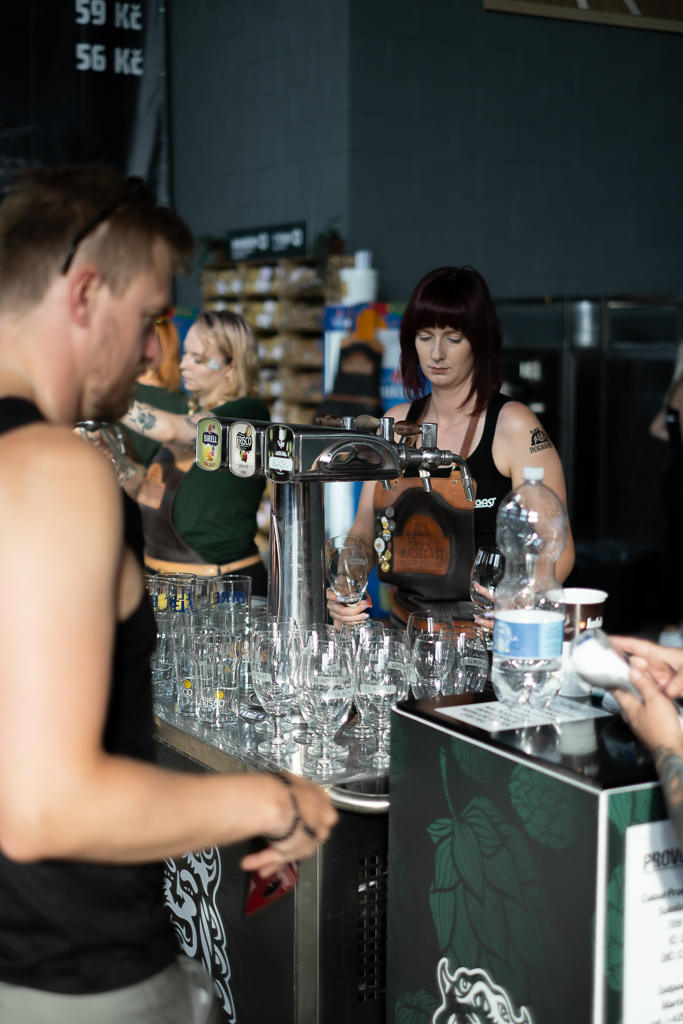
All this means that in the lulls between main stage acts, the site is ripe for absent-minded strolling where you can be distracted by amateur wailing on the karaoke stage, a weirdly comical group dance class led by an over-enthusiastic teacher, or opt to sip a beer in an abandoned tram that has been transformed into a makeshift café. The beer is cheap too, especially when compared to the prices at UK festivals. A pint of the local tipple Radegast will set you back a mere £2 in the enormous, on-site Radegast pub. Even in the craft beer zone – run by Pilsner-Urquell owned Proud Brewery – you’re not paying much more.
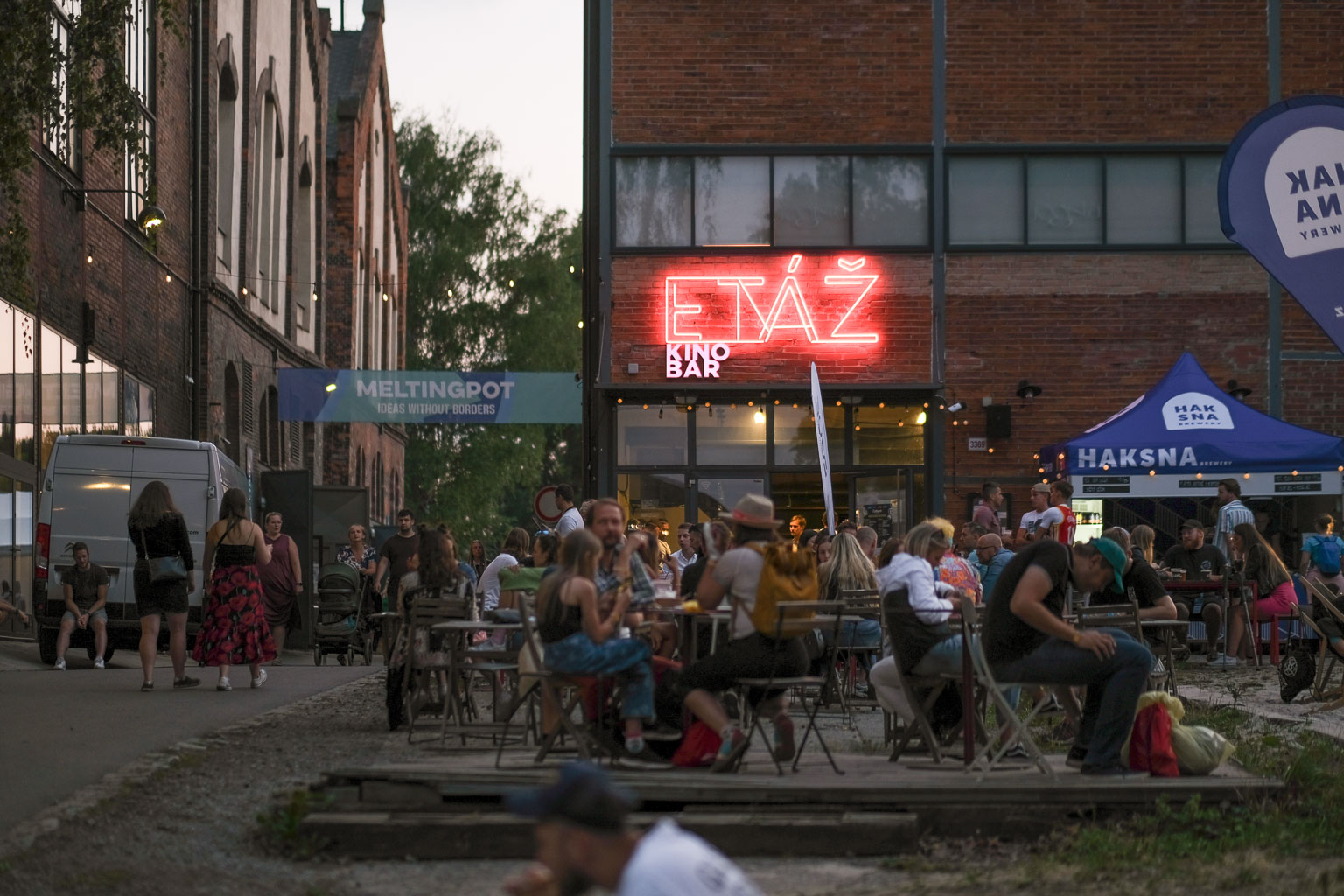
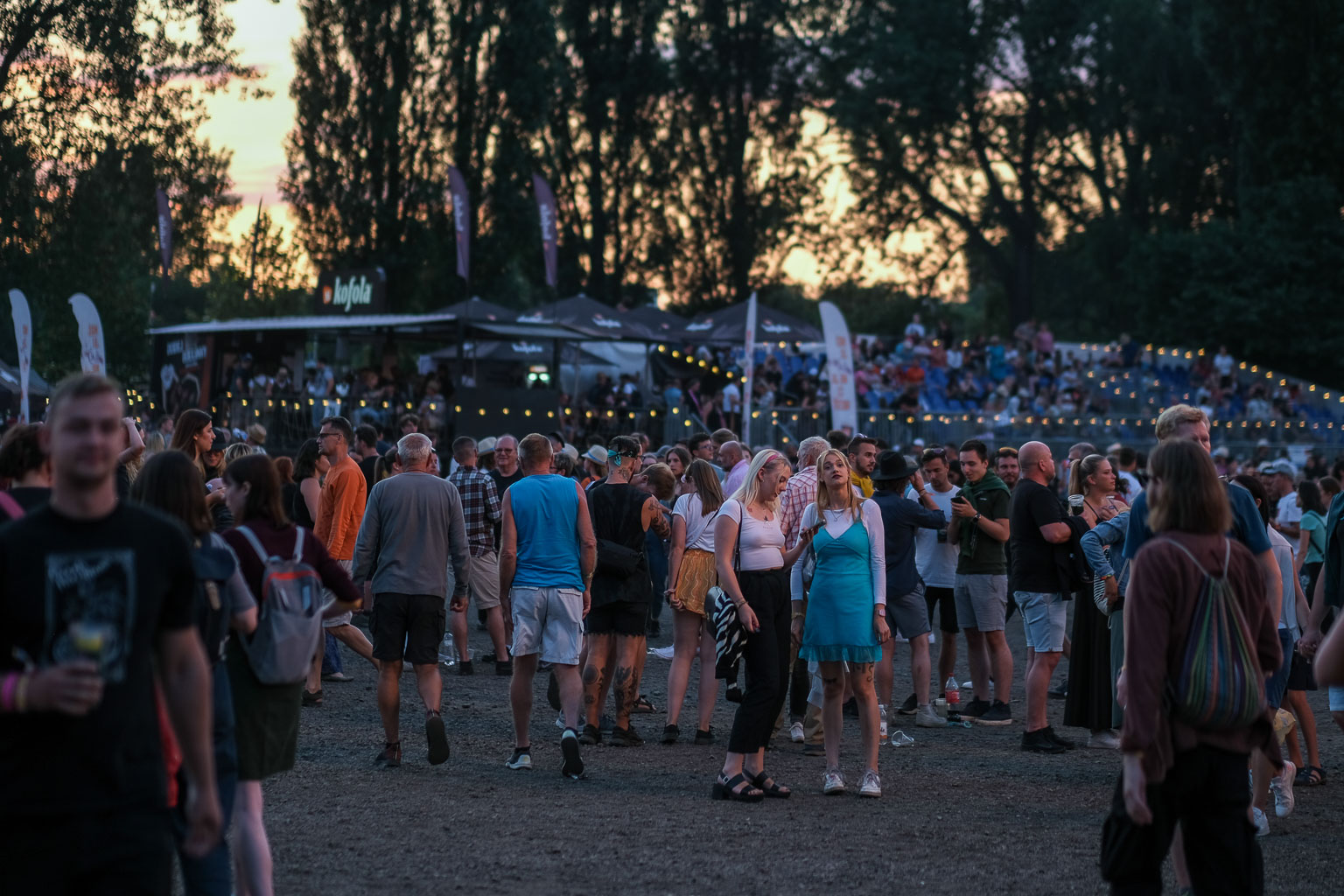
Finally, nighttime begins to descend. Sunlight spills spectacularly on to the quirky site as elongating shadows dance across the gravel and the stages are bathed in a golden glow.
As the orange hues reflect off the rusting pipes that are elevated across the dilapidated ironworks of Ostrava, the party begins in earnest.
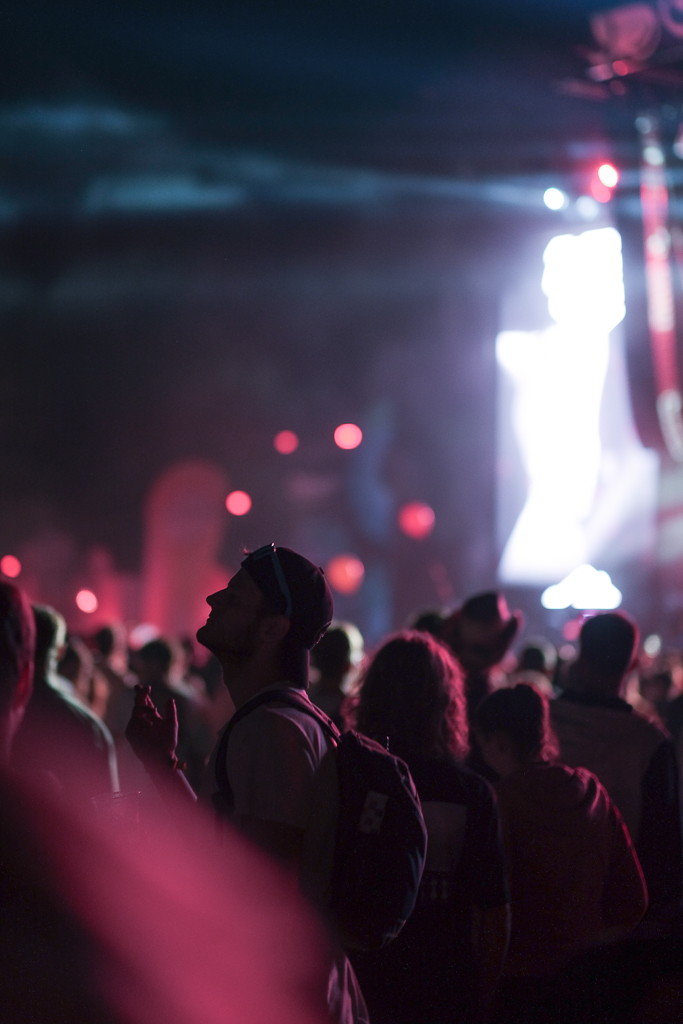
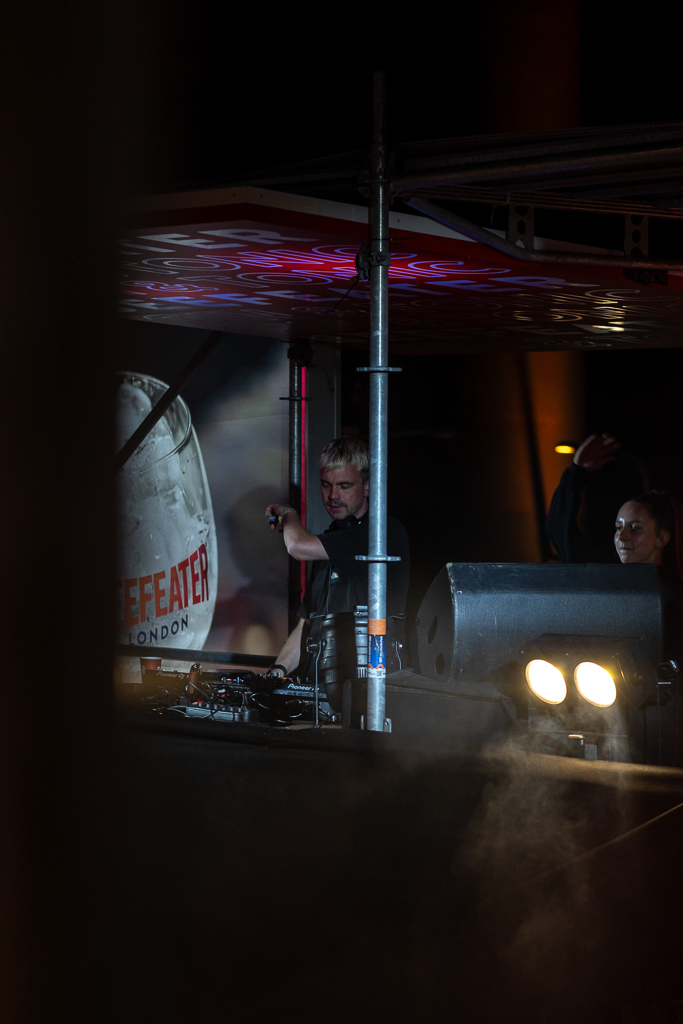
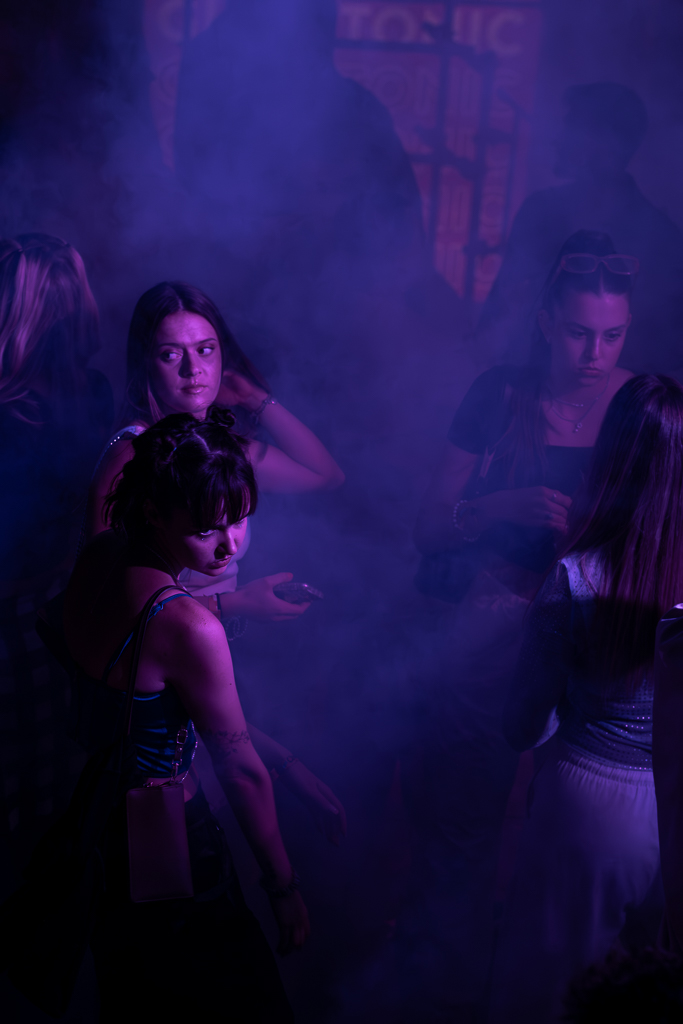
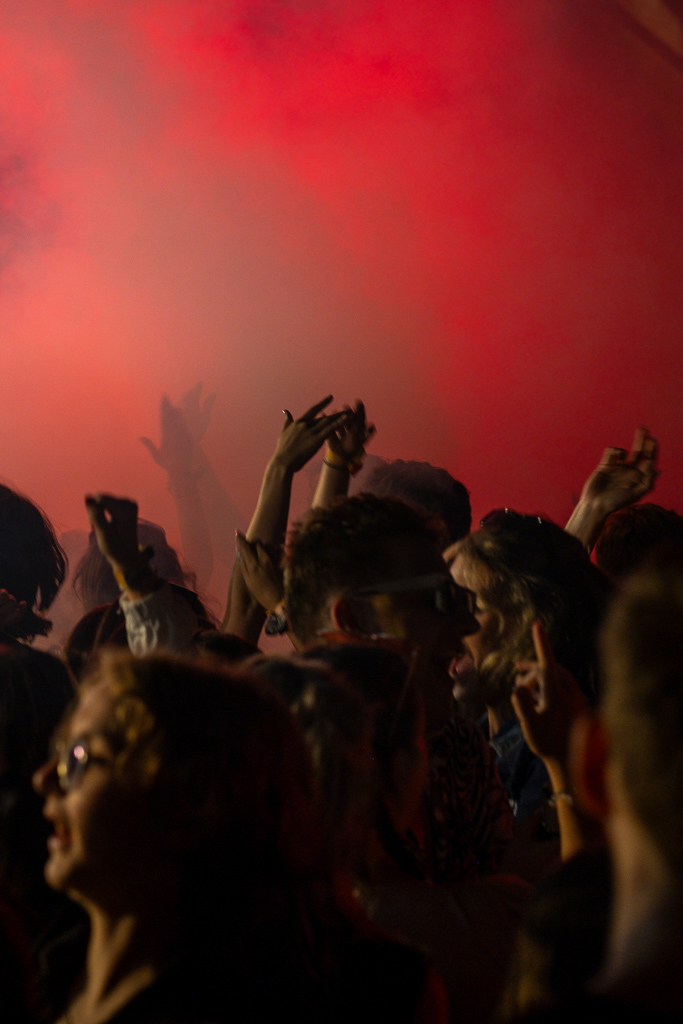
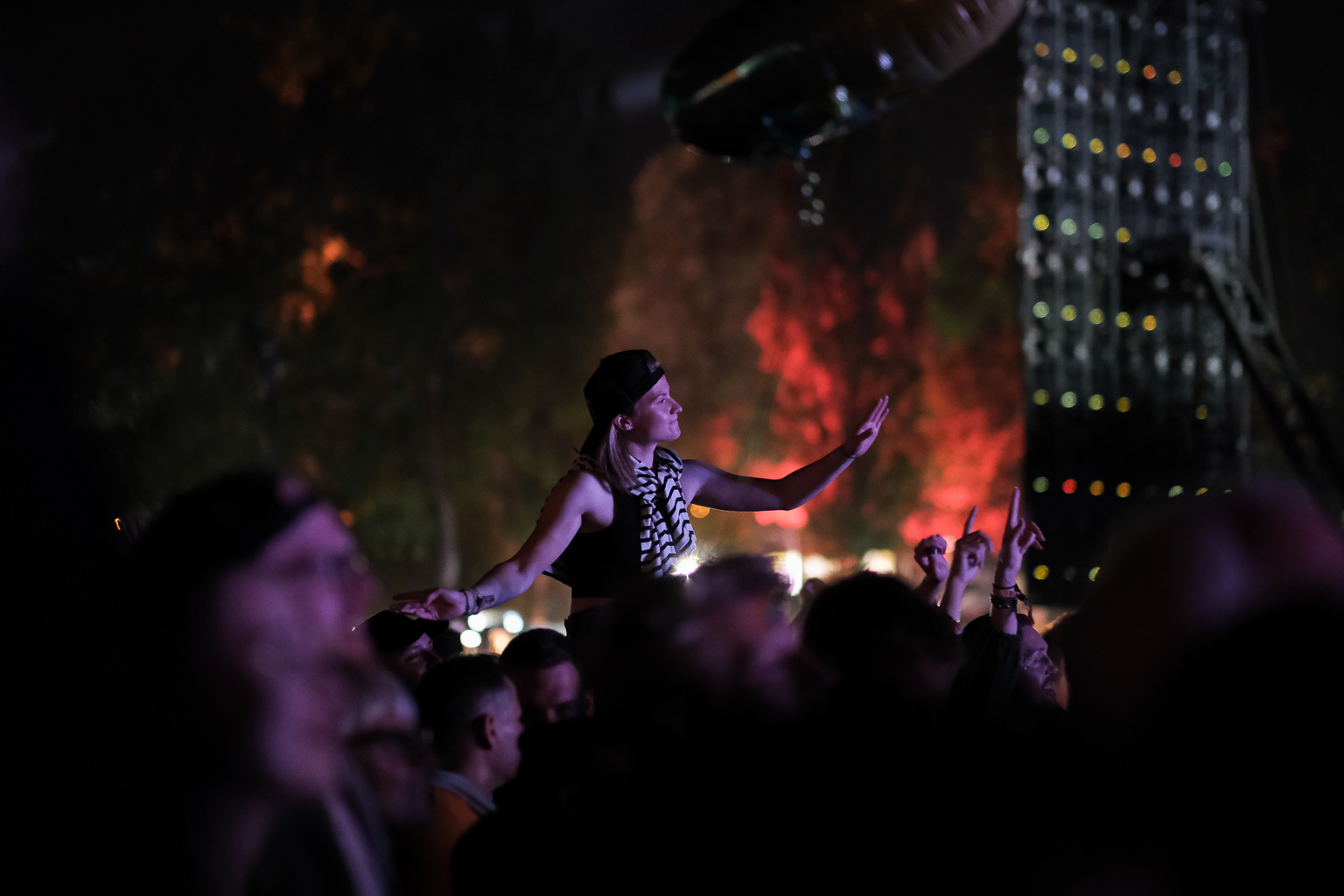
Youthful, sweaty bodies pack themselves in front of the main stage for a competently blistering performance by Macklemore and once the lights and amps are extinguished for the night, the move onto the late night party spots of the Glo and the Beefeater stages to gyrate to the sound of techno as their elevated arms cut through the lasers and streams of neon lights.
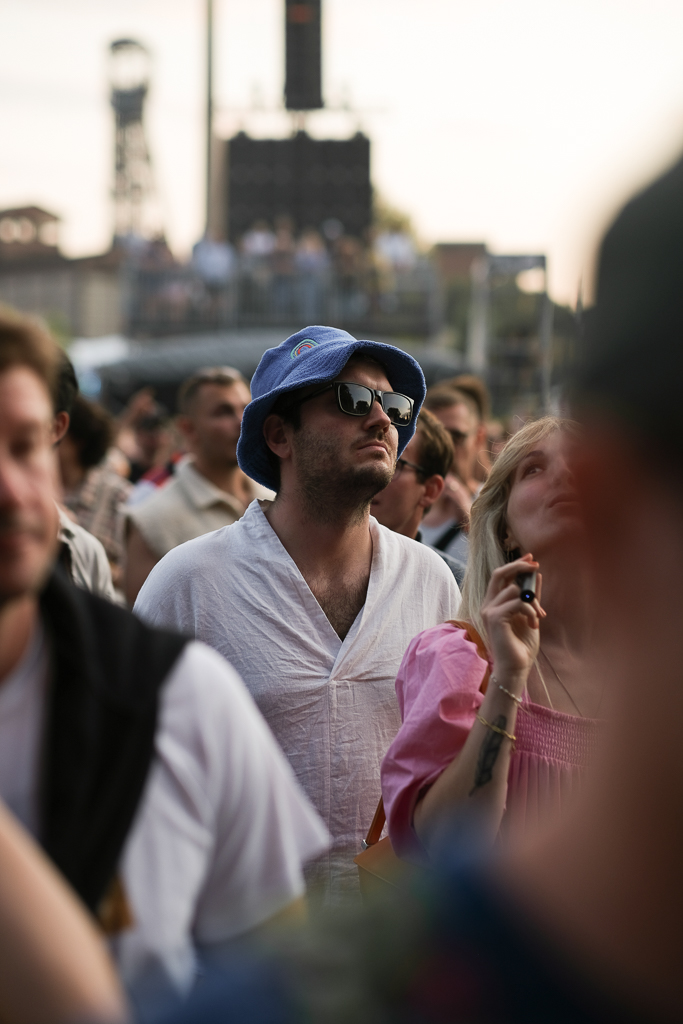
I opt instead to stick around at the main stage where Purple Disco Machine are left to close proceedings with one last hurrah for those that are willing to stick around past midnight.
Maybe it’s the inclusive atmosphere of Colours or the exuberance with which my fellow festival-goers throw themselves into proceedings, but time seems to get away from me and my aversion to German dance music dissipates. By 2am, I find myself still throwing shapes in front of the stage, moving to their beat that seems to bounce of the surrounding derelict factories. Then again, it could be the sheer volume of Radegast I had consumed.
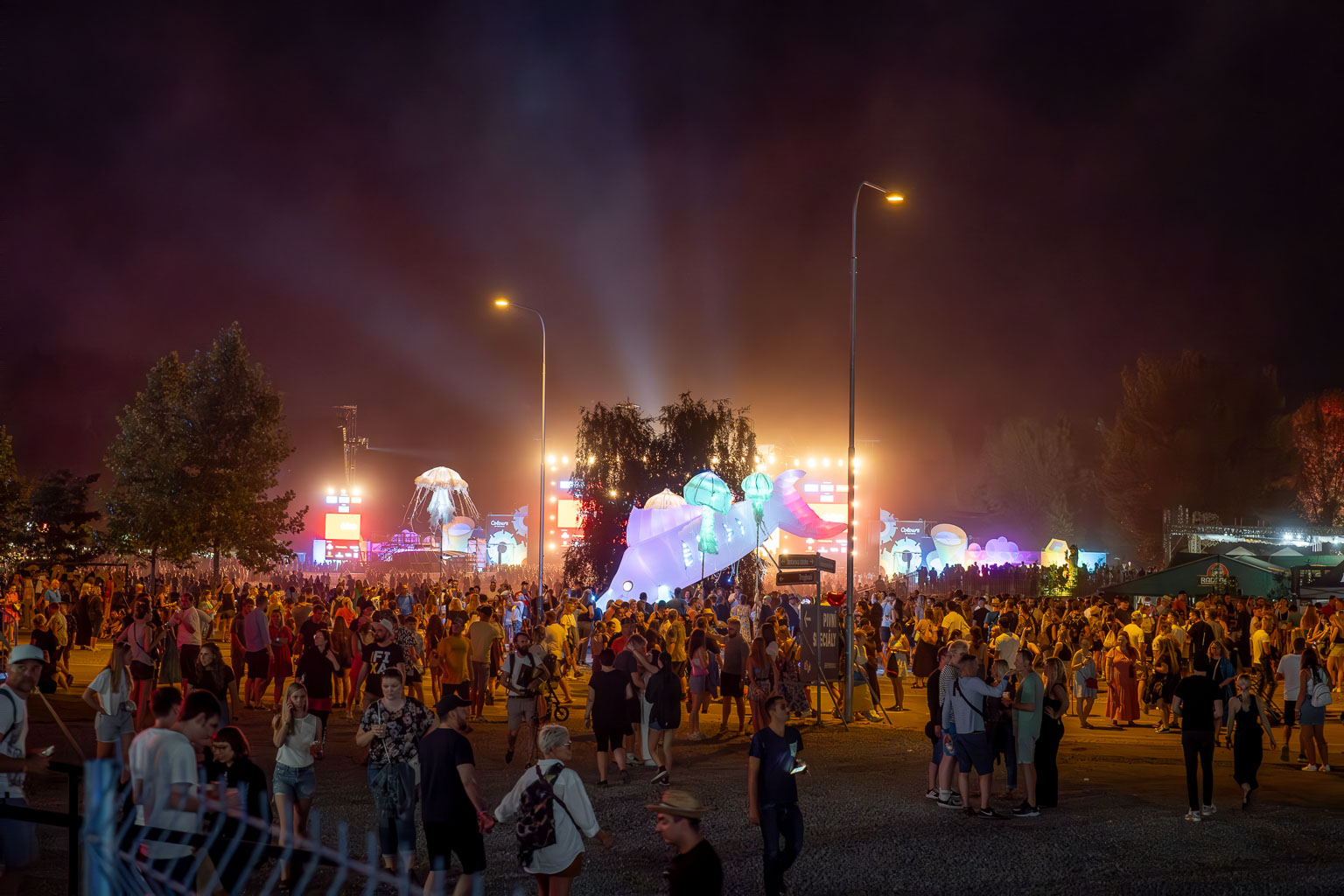
With aching legs and tired eyes, I leave the avant-garde wonderland of Colours and Dolní Vitkovice for the real world, abandoning the post-apocalyptic surroundings for a comfortable hotel bed and the thrill of a plump pillow. Despite still feeling the glow of the festival’s highs, the taxi ride back to central Ostrava feels even more sedate than normal since it isn’t bathed in glitter, neon and steampunk fantasies.
In the 20 years of its existence, Colours of Ostrava has shown itself to be one of Europe’s finest festivals and although the music is great, the setting is the true star. It’s a post-industrial party, where abandoned buildings, bunkers and decrepit towers provide an apocalyptic backdrop for punters that party amongst rusting tubes and tunnels. This is Ostrava letting loose and embracing its cultural future against the backdrop of its black, sooty past. Without a doubt, I’ll be making my way back next year to embrace it all over again.
Read More: Colours of Ostrava in Pictures
How to get to Colours of Ostrava Festival
There are regular, direct flights between London Stanstead Airport and Ostrava’s Leoš Janáček Airport, located 25km from the city centre and reachable via the S4 trainline.
Alternatively, Katowice Airport is located just one hour away by road with a Flix Bus service running between the Airport and Ostrava. If, like me, London Stansted is a little too far to travel, there are regular flights to Katowice from a number of UK bases.
If you are travelling to Ostrava from another destination within Czechia, then rail is one of the simplest options. Ostrava has three train stations – Hlavní nádraží (the main station), Ostrava-Svinov and Ostrava-střed, which is located about 300 metres from the festival site – that have connections throughout the country and neighbouring nations. České dráhy run a special service between Prague and Ostrava during the festival known as the Colours Express, departing Prague the in the morning of the festival’s first day and returning Sunday morning, stopping in Kolín, Pardubice, Česká Třebová and Zábřeh na Moravě.
Getting to the Festival Site
Despite being Czechia’s third largest city, Ostrava is relatively walkable and easy to navigate on foot or via the extensive tram and bus networks. Trams 1 and 2 both stop at Dolní Vítkovice Hlubina and Dolní Vítkovice. It is worth noting that the Ostrava Transport Company offers a special week-long Festival Ticket valid for the whole week during Colours of Ostrava on all public transport connections.
During my time at Colours, I found that using a taxi or ridesharing app was the easiest way to get from Dolní Vítkovice to my accommodation after the day’s festivities were over. There were no shortage of licensed taxis waiting at the main entrance and I didn’t have any trouble hailing one. I could usually be back at my hotel within 15-20 minutes of leaving the festival site.
Bolt and Uber were generally cheaper than the official taxis, costing around CZK 150 – 200.
Ticket information
- Access to the festival site at Dolní Vítkovice for all four days
- Access to the VIP zone and exclusive VIP toilets
- Private stands and viewing area in the VIP zone
- A private bar with its own special menu
- Additional services such as a cloakroom and seperate festival entrance
This is both a very family-friendly and accessible festival and as such, children under 140cm in height can enter for free. If your child is under 15 years old but over this height, they can get a discounted ticket for €50 (proof of age is required).
Attendees that hold a ZTP card (or EU equivalent disability cards) can also purchase discounted tickets on site.
There is free entry each Saturday for people over 65 years of age.
Where to Stay for Colours of Ostrava
With the Colours of Ostrava Festival taking place in close proximity to central Ostrava, it means that you can either choose to stay in one of the temporary campsites erected for the festival or a city centre hotel and just a short ride away by taxi or public transport.
Camping
Anyone familiar with festivals, particularly in the UK, will be used to pitching a tent and camping out for a few days. Colours of Ostrava is no different and offers 3 different off-site camping areas with varying levels of luxury.
Slezskoostravsky hrad Camp (Castle Camp)
This is the festival’s main campsite, located in the grounds of Silesian Ostrava Castle, around a 20 minute walk from Dolní Vítkovice. Campers are able to rent a 3x3m area for their tent at a cost of €22 with each camper paying an additional €20 per person for the 4-night stay.
9x3m areas are available for caravans and cost €100.
Chill Village
Situated just 100m from the festival’s entrance in a small green space, the Chill Village offers pre-erected tipi style tents that can accommodate up to 4 festival-goers.
Tent Inn Village
Tent Inn Classic: €127
Tent Inn Classic Plus: €169
Tent Inn Fresh & Black: €149
Tent Inn Fresh & Black Plus: €191
The Tent Inn Village has its own showers and toilets as well as dedicated security guards and a 24-hour reception where phones and other small electronic devices can be charged throughout the festival. Storage lockers with charge points are also available to rent at a cost of 32 Euros for the duration of the festival.
Hotels
If, like me, you decide not to camp during the Colours of Ostrava, the city has a good number of hotels and rental properties available. It is worth noting that prices do rise during the festival and rooms sell out quickly.
Boutique
Hotel City.City
Despite being a decent walk north of the city centre, Hotel City.City is just a short hop from Ostrava’s Hlavní nádraží. The rooms are a little basic but this is a modern, stylish hotel that describes itself as a haven for design and creativity. The Loft Restaurant on the hotel’s ground floor has this in abundance, serving some of the finest cuisine that you will find in the city.
Central Location
Mercure Ostrava Center Hotel
In a central location, the 4-star Mercure Ostrava Centre is one of the city’s newest and more upmarket hotel offerings with 139 rooms, a restaurant, bar, summer terrace, and fitness centre.
I attended Colours of Ostrava as a guest of Moravia Silesia Tourism. However, all views expressed are my own.