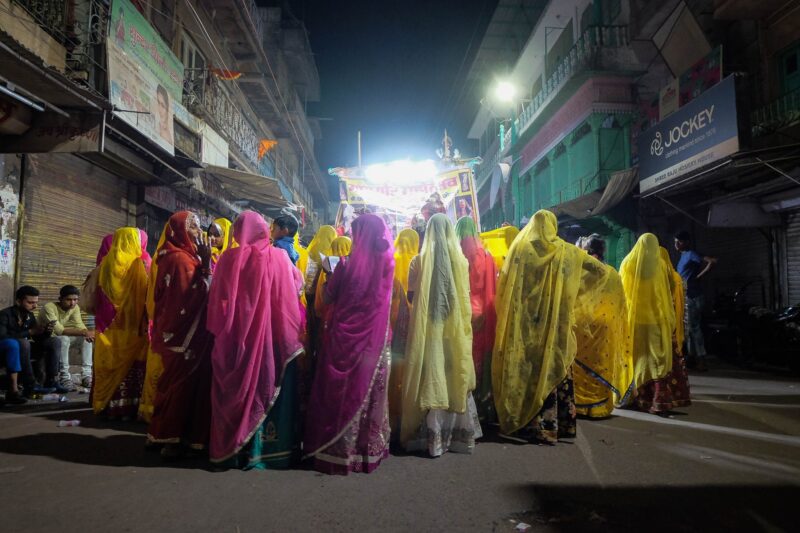
The platforms surrounding Jodhpur’s Toorji Ka Jhalra stepwell are a riot of colour and sound. Under the stepwell’s pagoda around 100 women swirl their vibrant saris as they spin in planetary motion around the drummers, a mass of orange and red fabric illuminated only by the few spotlights that light the hotels and shopfronts lining the square.
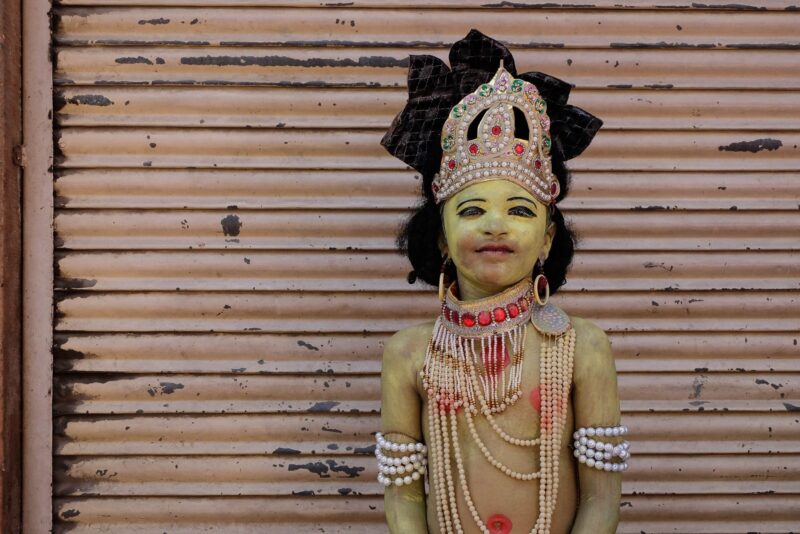
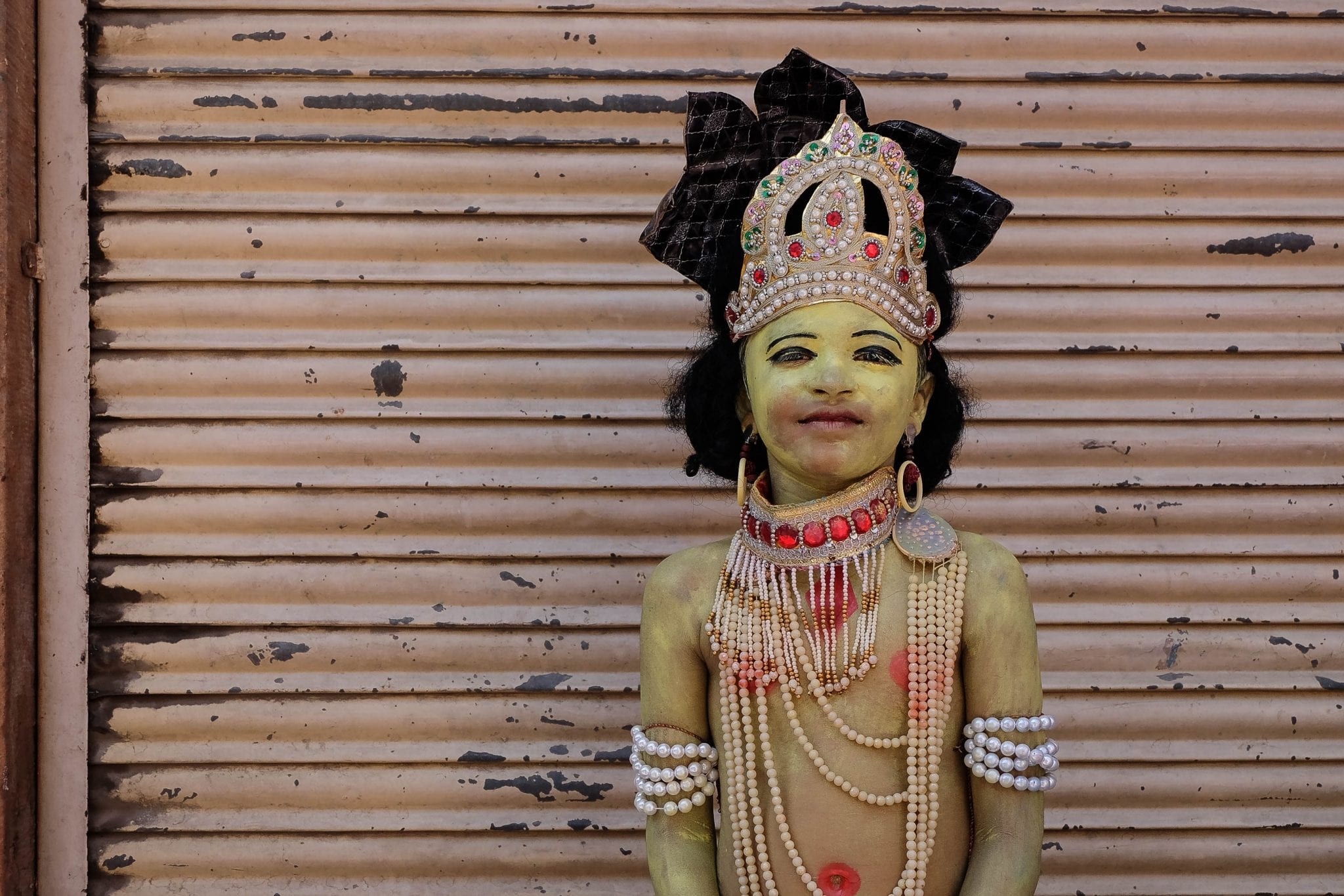
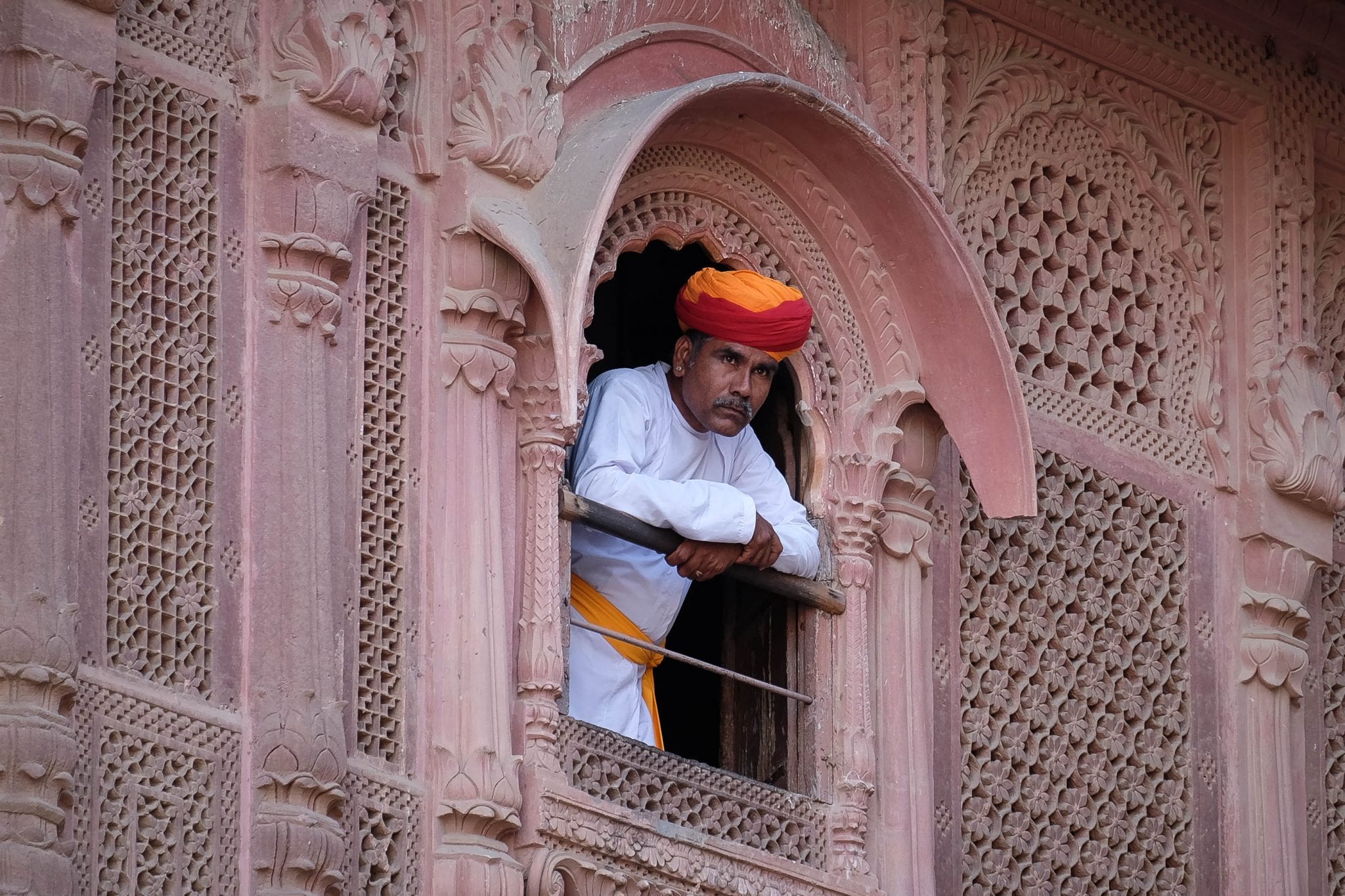
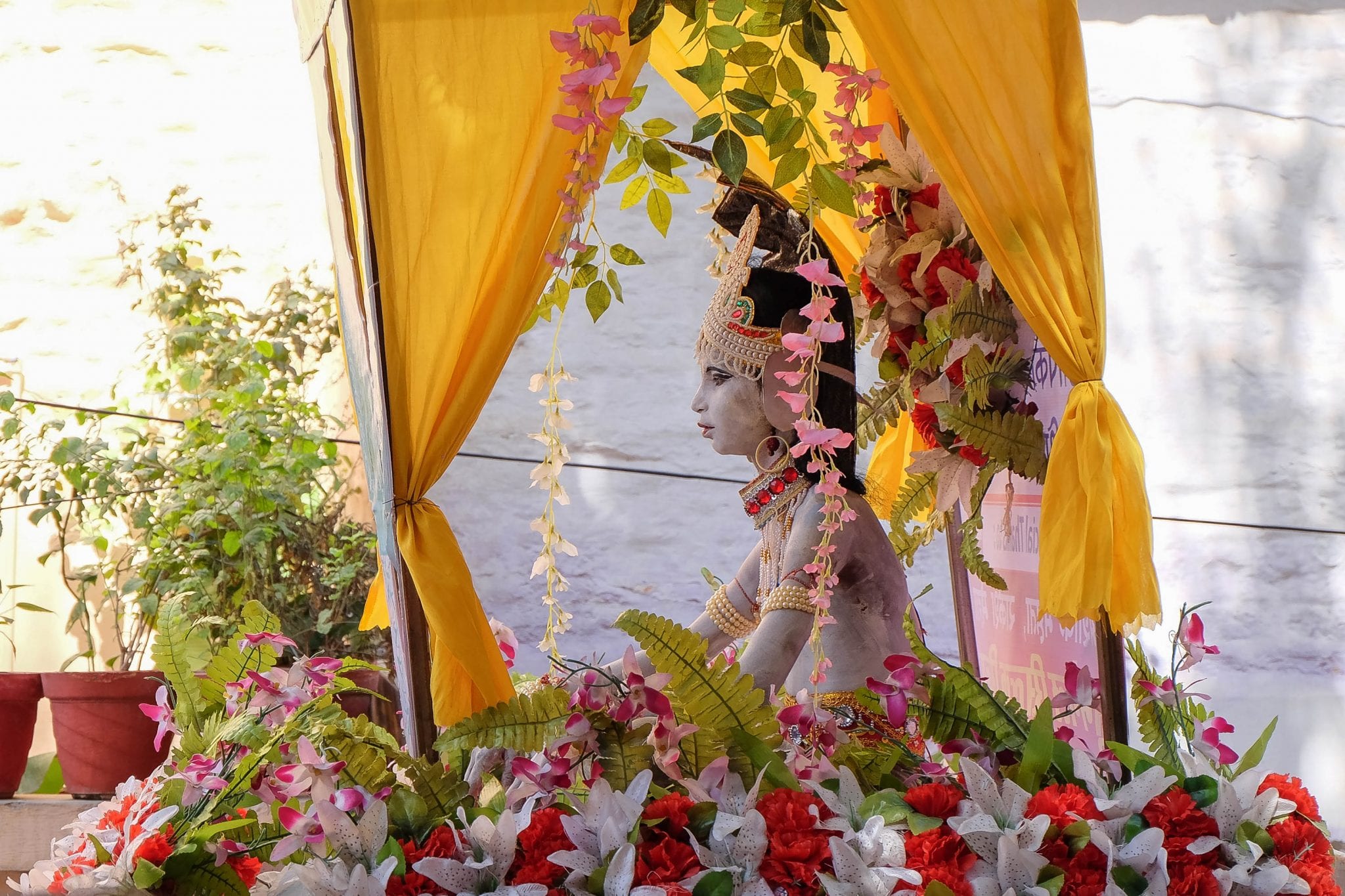
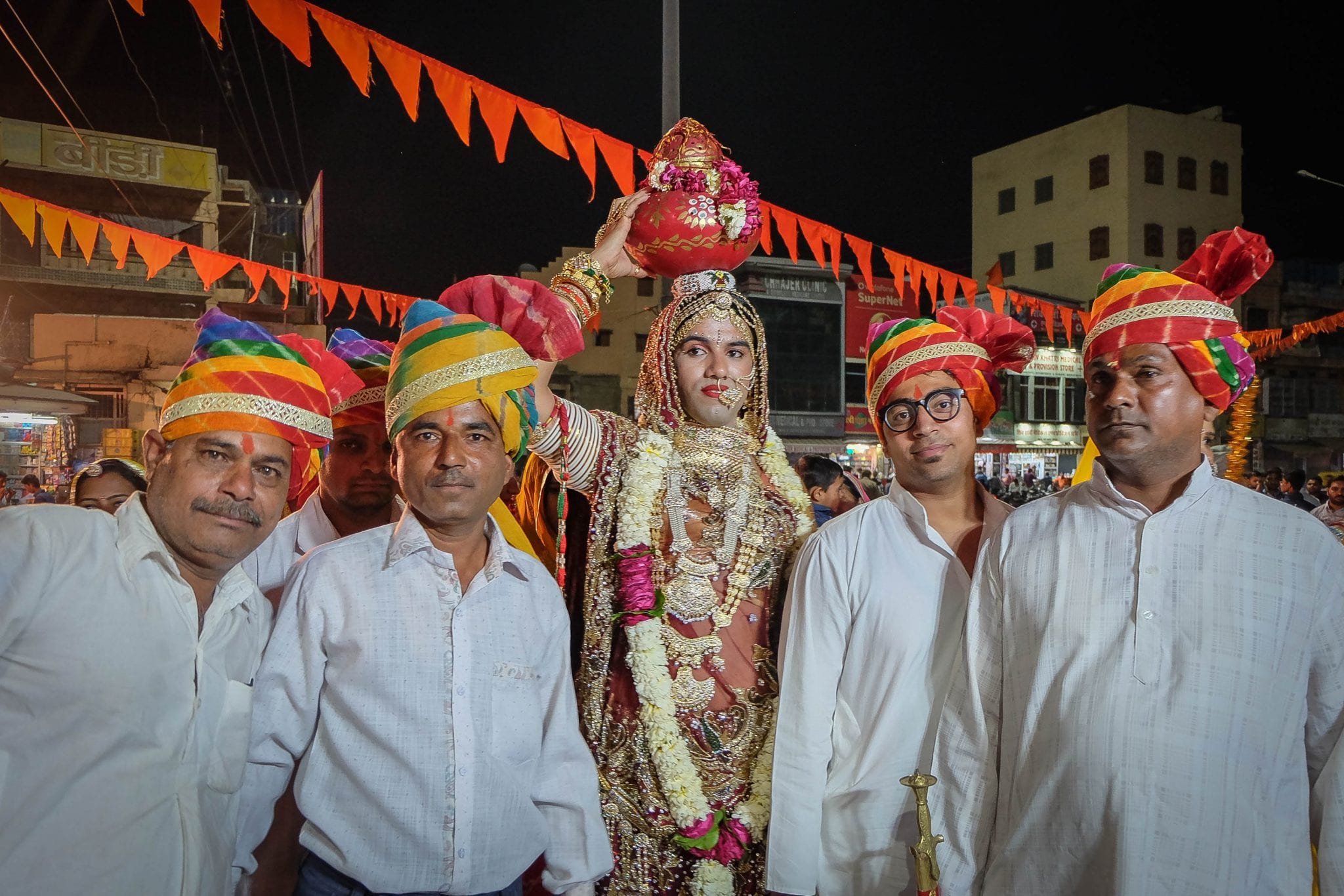
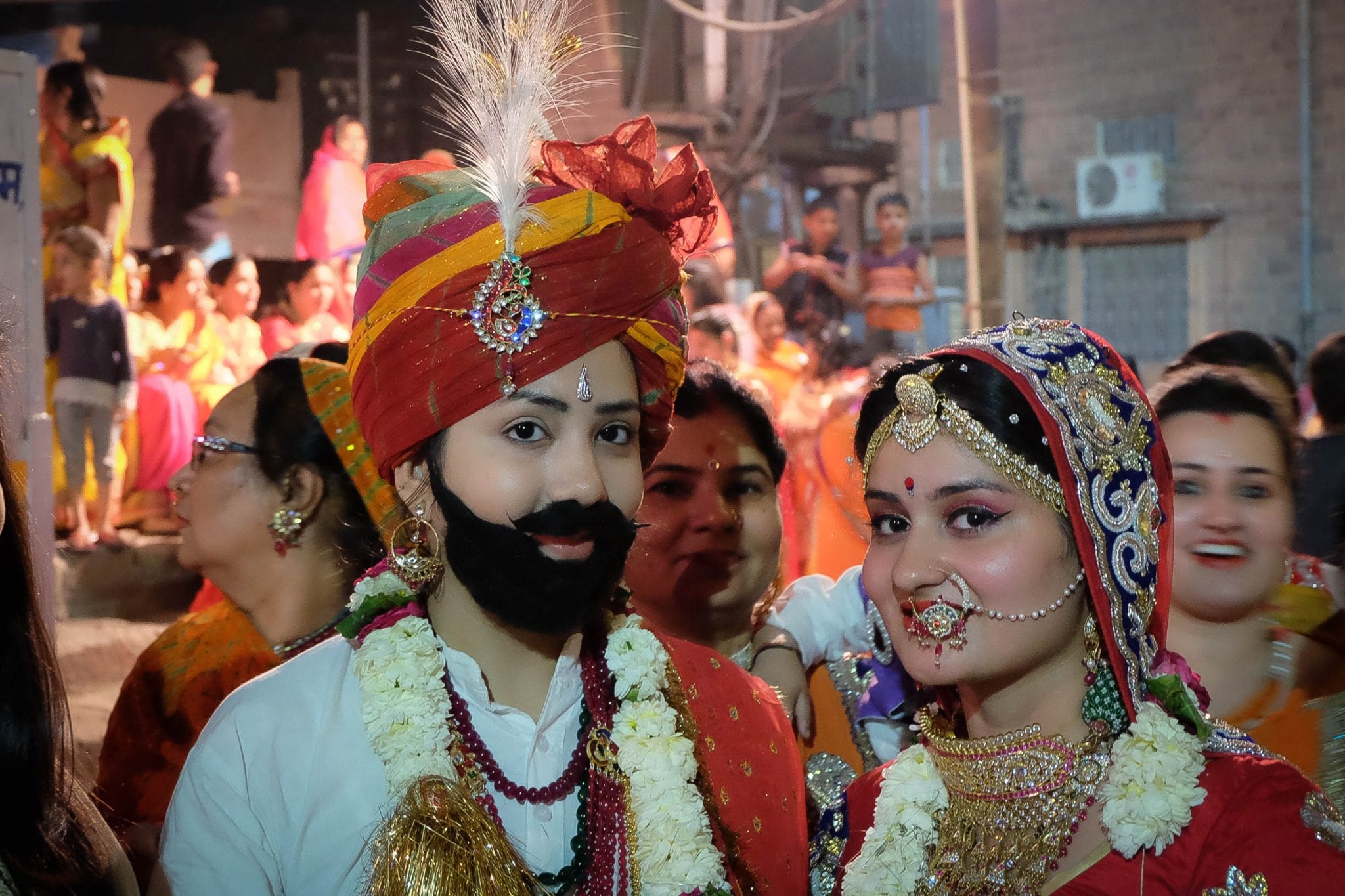
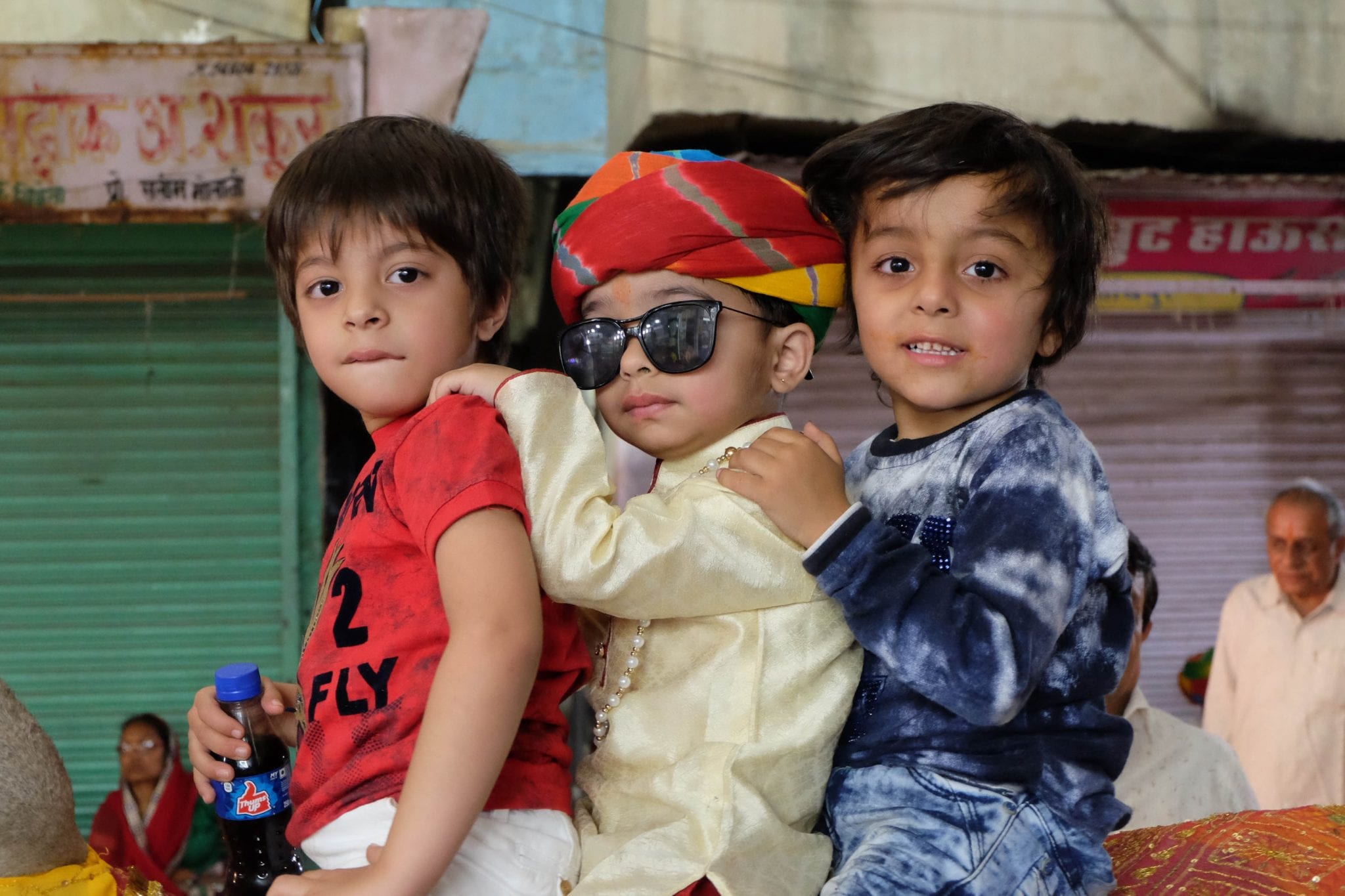
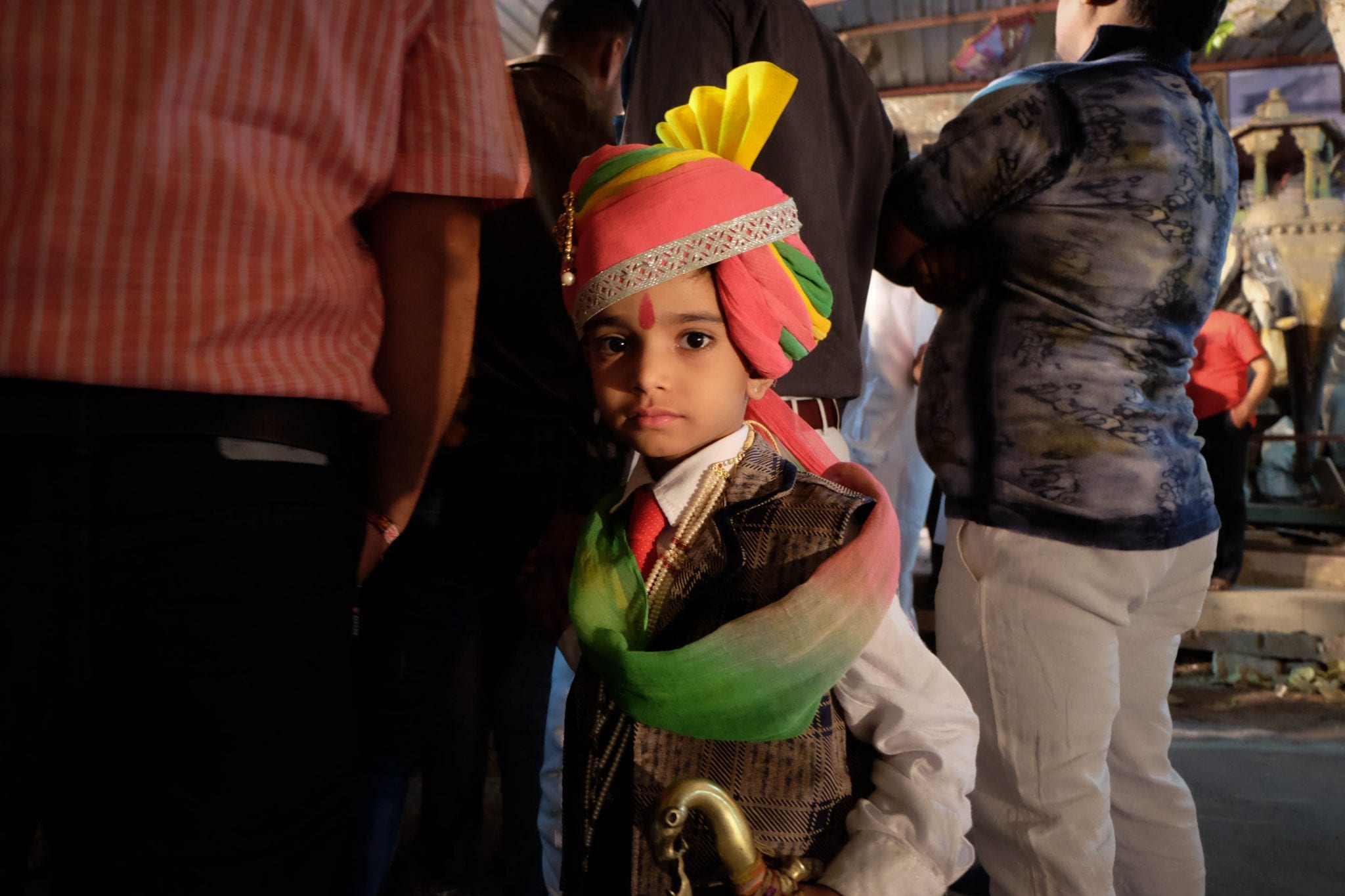
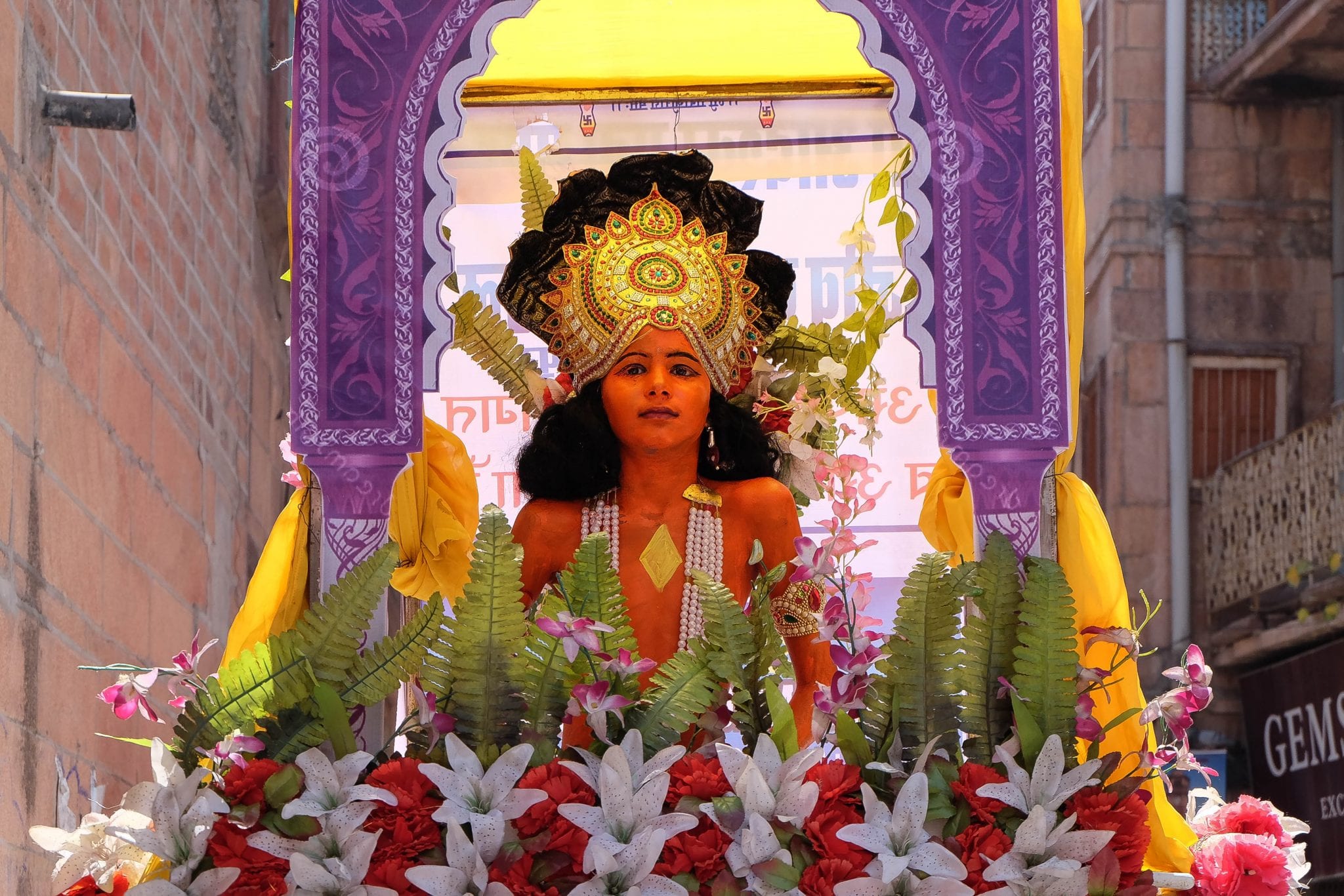
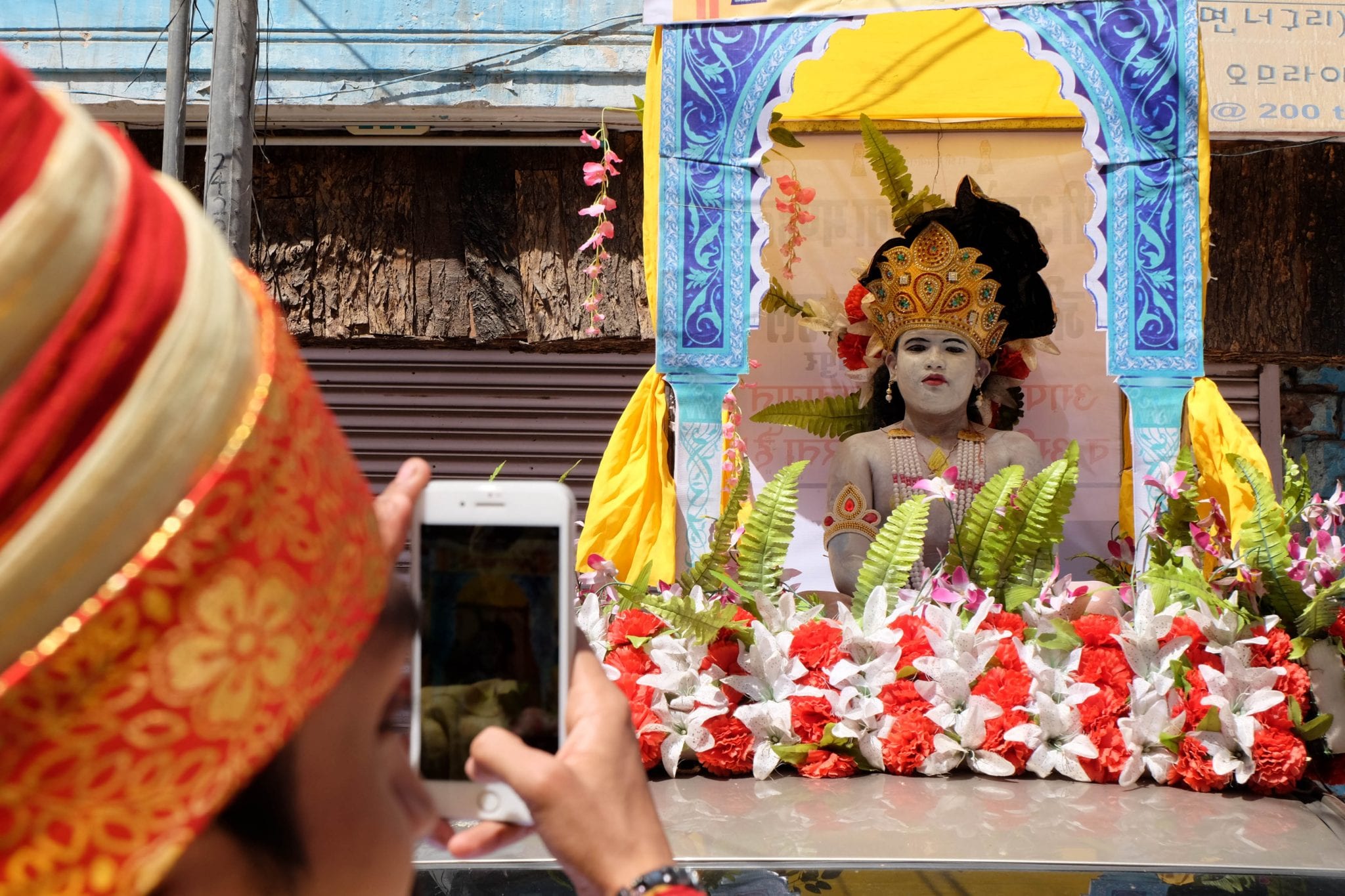
Earlier in the day, this area of Jodhpur’s labyrinthine old town had been fairly unoccupied, apart from the few teenagers and children that spend their day swimming and diving into Toorji Ka Jhalra’s cool waters, much to the annoyance of the local police. Now a mass of people dances in the darkness, hands reaching and twisting in the air with a constant beating of drums, occasionally punctuated with cheers, singing and rapturous laughter. It appears to be an entirely female celebration despite my impressions when first glancing at the crowd. What I thought to be the moustaches and turbans of men, turn out to be women, teenagers and children mostly, in costume, dressed as maharajas, Hindu Gods and even famed Bollywood actors. Gradually the party-goers begin to disperse in groups, following the drummers in parade-like formations away from the square and into the city’s side streets. Before I know it, Toorji Ka Jhalra is peaceful once again.

I had arrived in Jodhpur to a rapturous reception, albeit one that wasn’t intended for me. The sound of drums and trumpets drifted over the city’s rooftops, winding past its clock towers and through the open doors of my hostel room’s balcony. For once, the usual sounds of car horns and motorbikes that normally act as a soundtrack to any major Indian city were tempered by music.
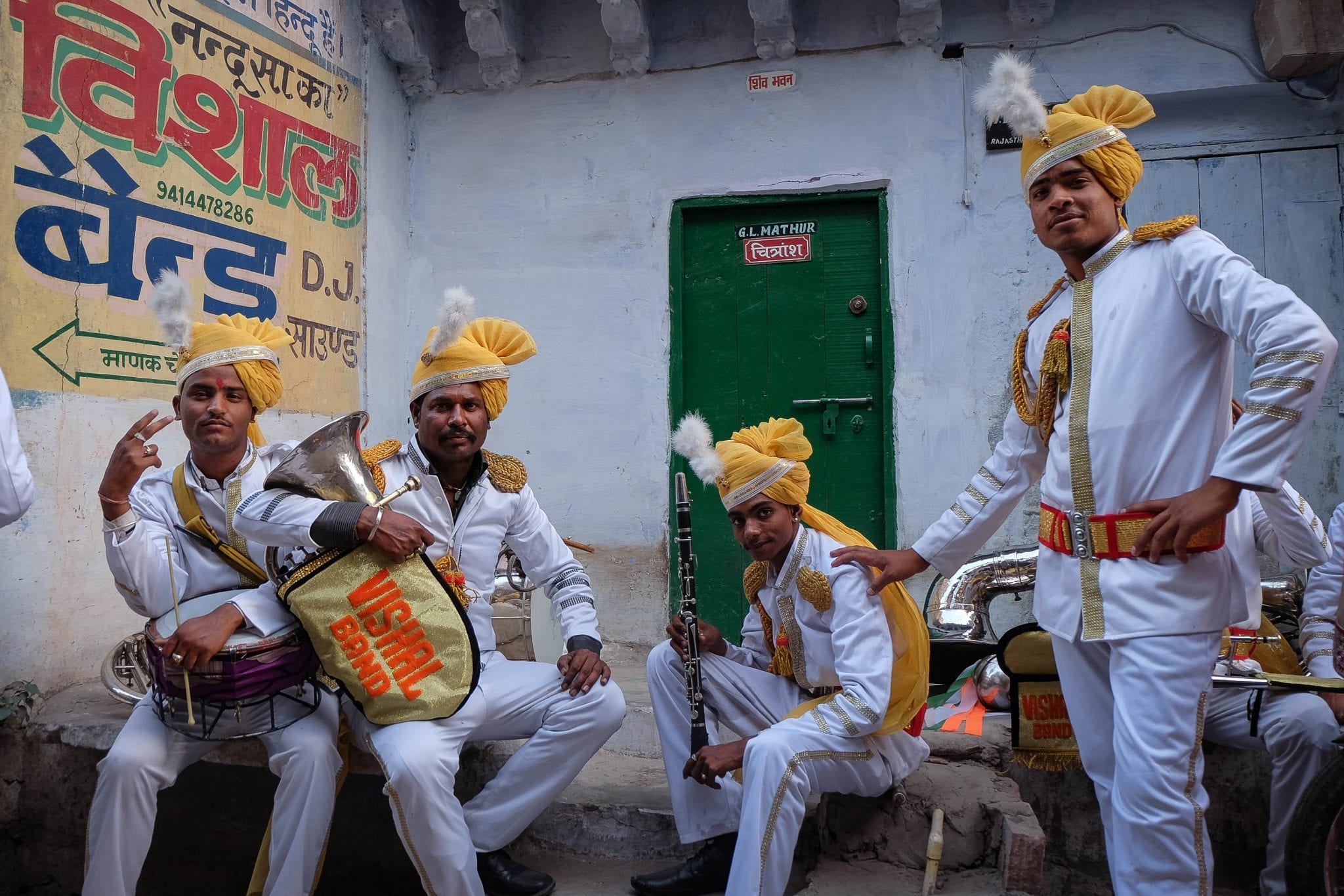
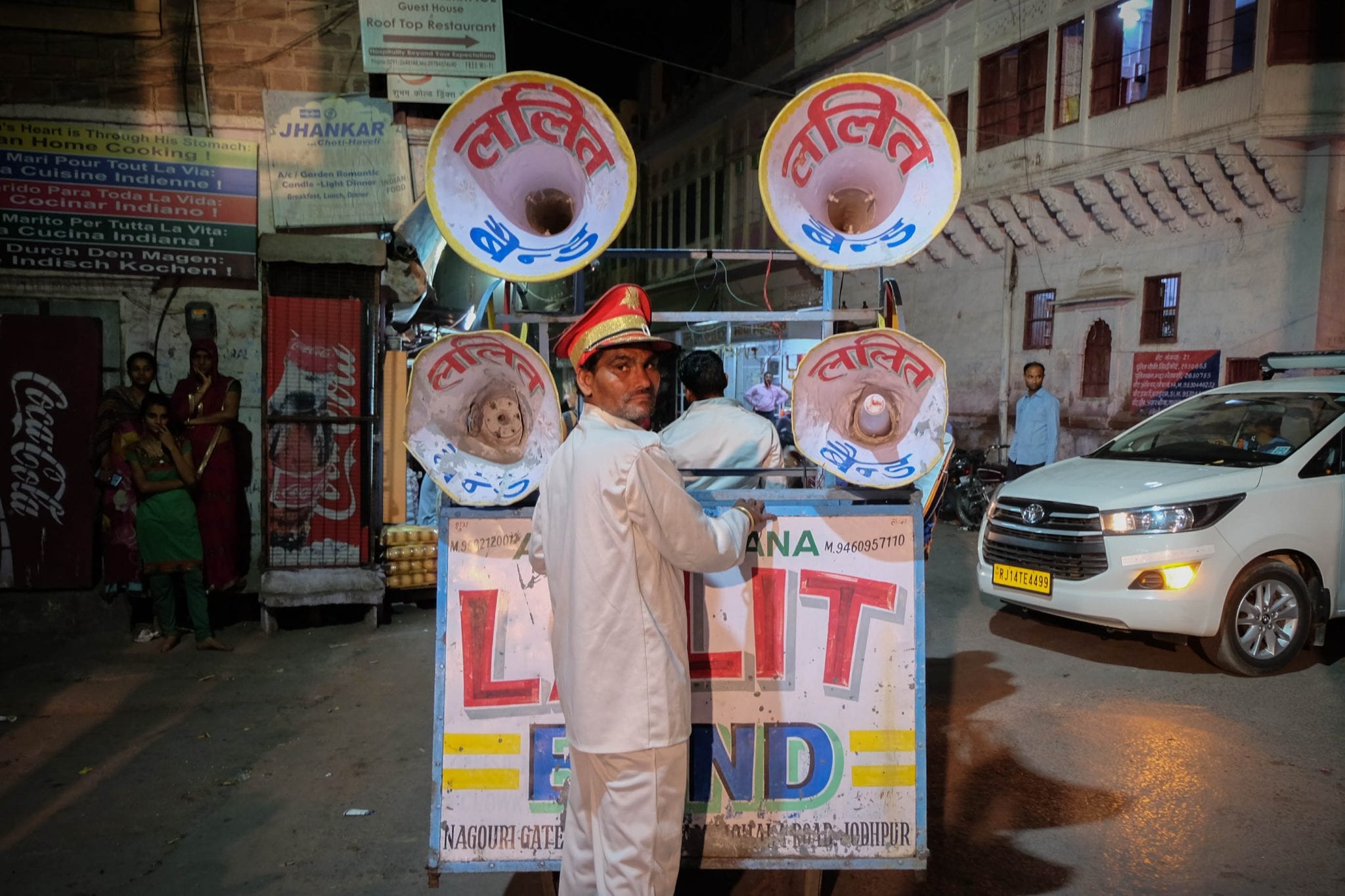
It wasn’t until I ventured out onto the street below that I managed to find the source of the commotion: a few dozen musicians dressed in smartly pressed blue, white, and red band uniforms taking a break from their soundcheck on the steps of nearby cafes and shops, some polishing their instruments or tuning up, others tucking into a quick lunch in preparation for their show, although the reason behind their performance deluded me. I tried my best to enquire about the occasion, but with my Hindi being as non-existant as their English, my efforts were in vain.


Dhinga Ganwar
Gangaur is one of the most important and colourful festivals celebrated throughout the state of Rajasthan. It is the celebration of spring, harvest and marital fidelity and observed with great devotion by women – particularly those that are married – who worship Gauri, the wife of Lord Shiva. The festival commences on the first day of Chaitra, the day following Holi, and continues for 16 days.
However, what I am witnessing is something completely different. A brief chat with a shopkeeper informs me that this is a night of female hedonism, an evening when, in the conservative walled city of Jodhpur, women shed their inhibitions and take revenge on men. This is the festival of Dhinga Ganwar.
According to legend, after a widow’s wish to worship Goddess Gangaur was turned down, Lord Shiva appeared in her dreams, asking her to pray to Goddess Ganwar, his second wife, instead. So while Gangaur is celebrated by married women, Ganwar is for both the married and the unmarried. It is a way to honour the relevance and importance of women in society, something that is occasionally forgotten in India’s daily routine.
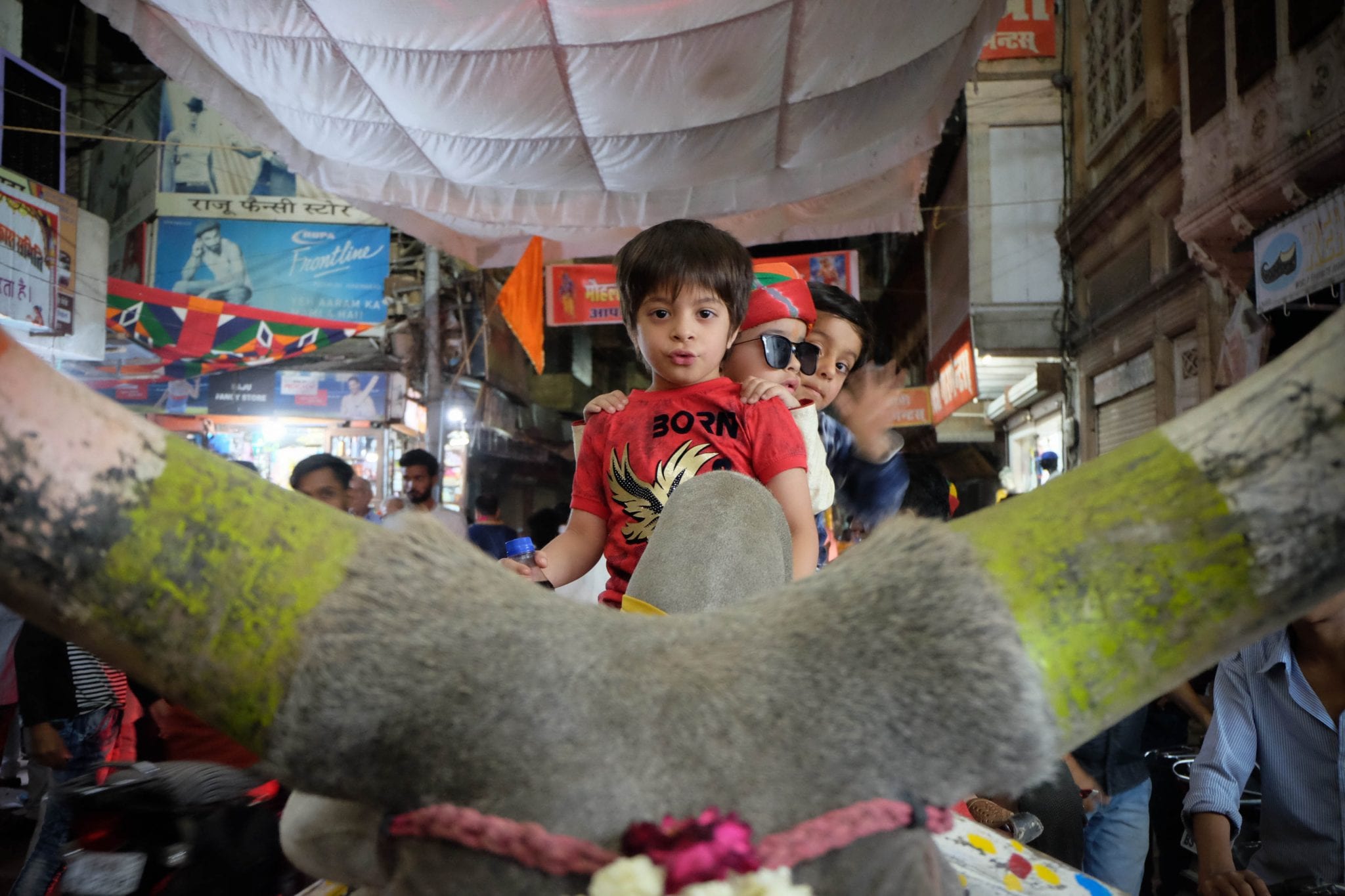
The 'Women Beating Men' Festival
Meaning ‘fun by deception’, Dhinga involves a sea of women – many of them dressed in costume – taking to the streets of Jodhpur armed with lathis, wooden sticks swathed in gold foil and flowers ready to beat any man that dares to get in their way.
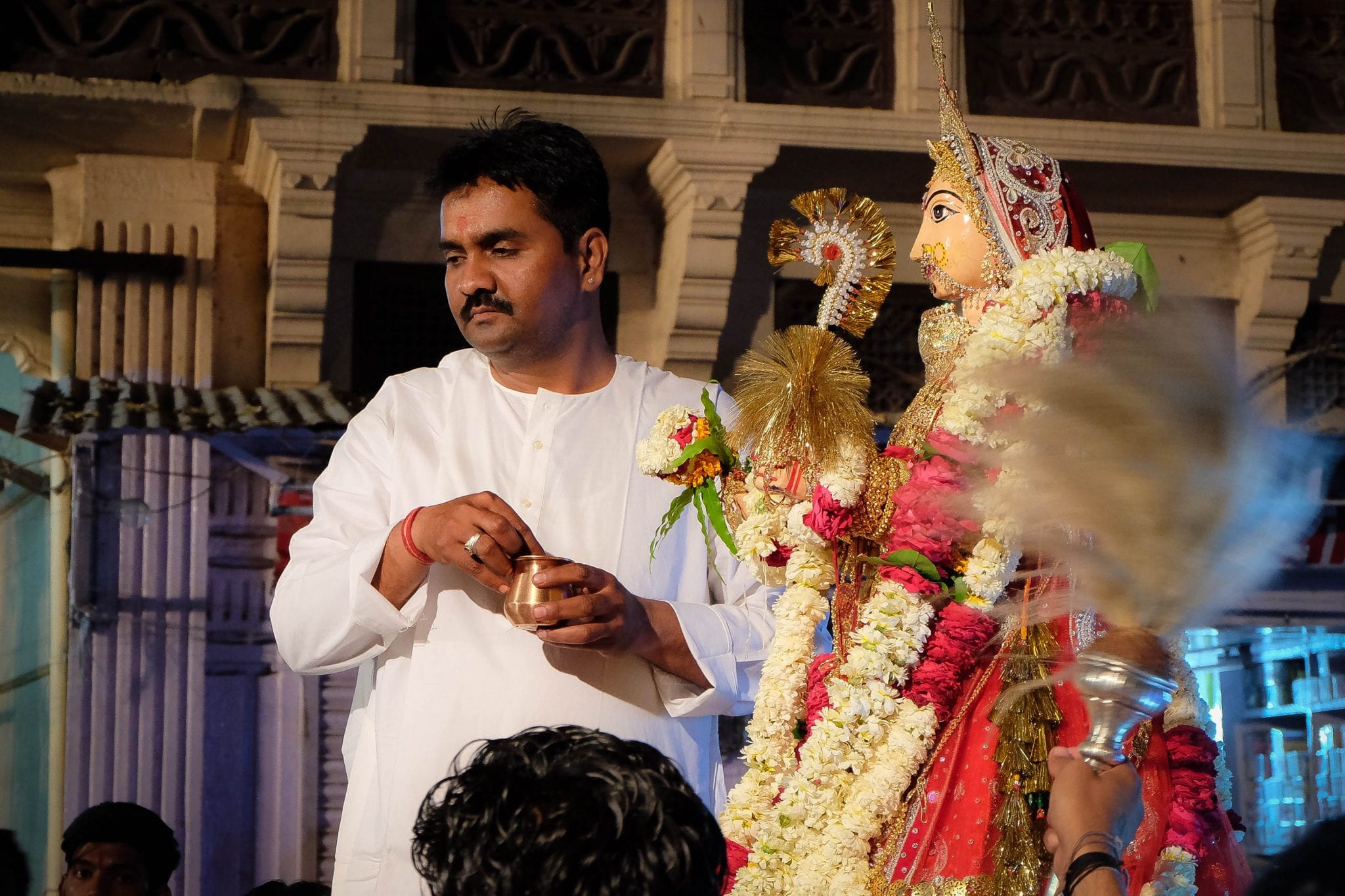
I watch in awe as the women leave the stepwell, marching in a column through the streets carrying idols, ones that are adorned with personal offerings of gold jewellery draped over them. Spectators line the sides of the road, gawping from shop windows, porches and rooftops as the parade winds through the town, but it seems that no men are brave enough to be coaxed close enough for a beating.
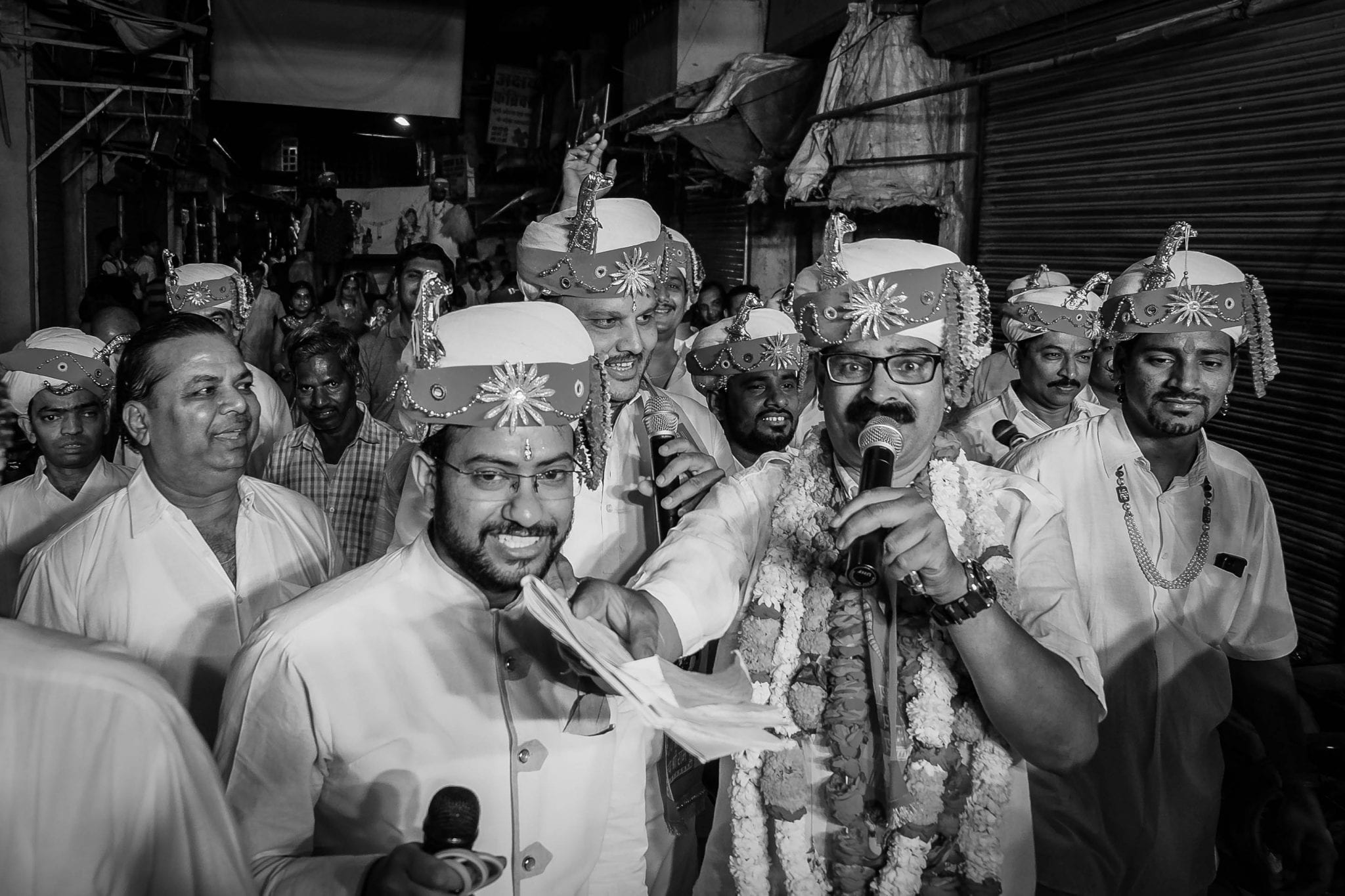
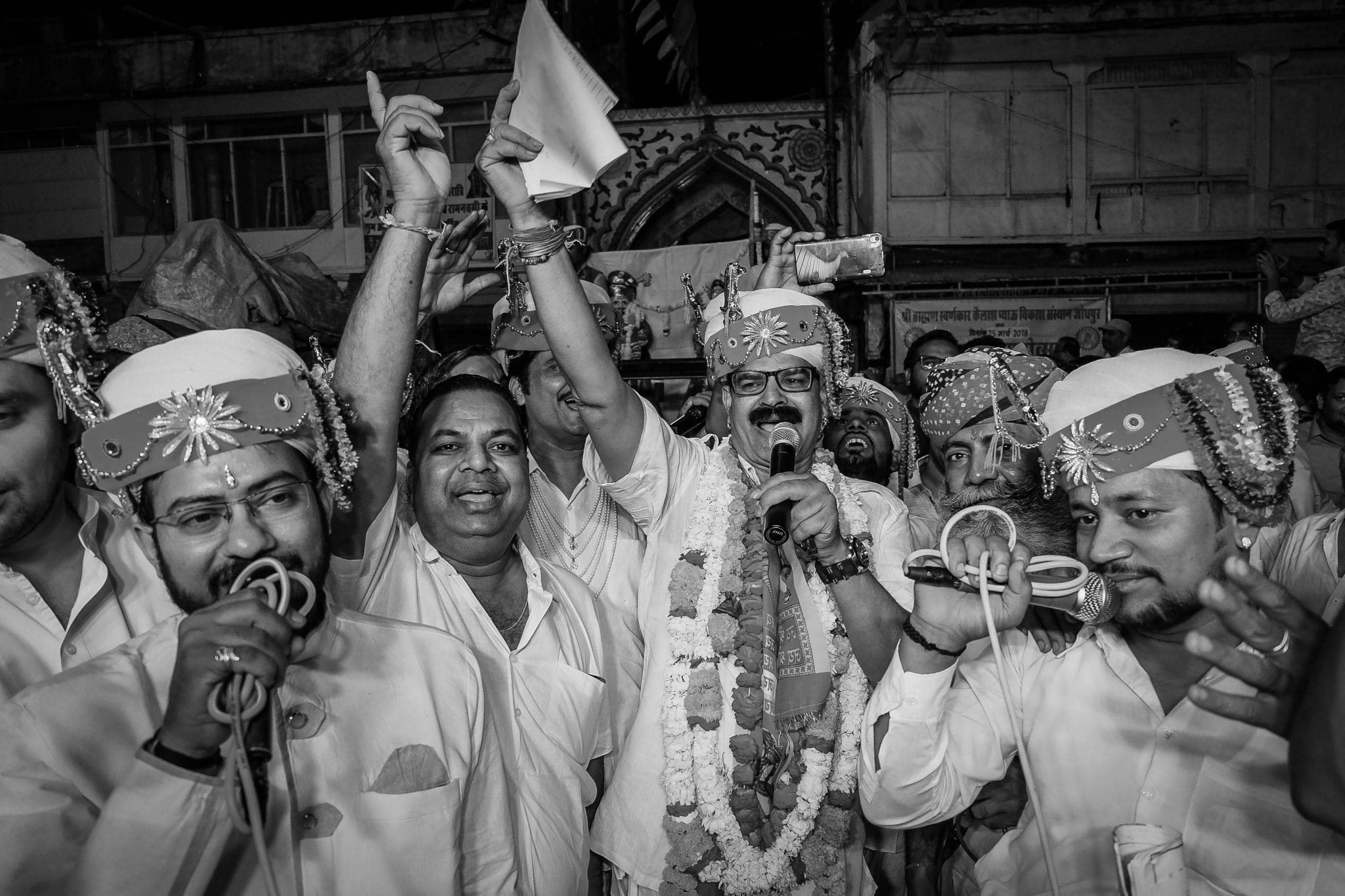
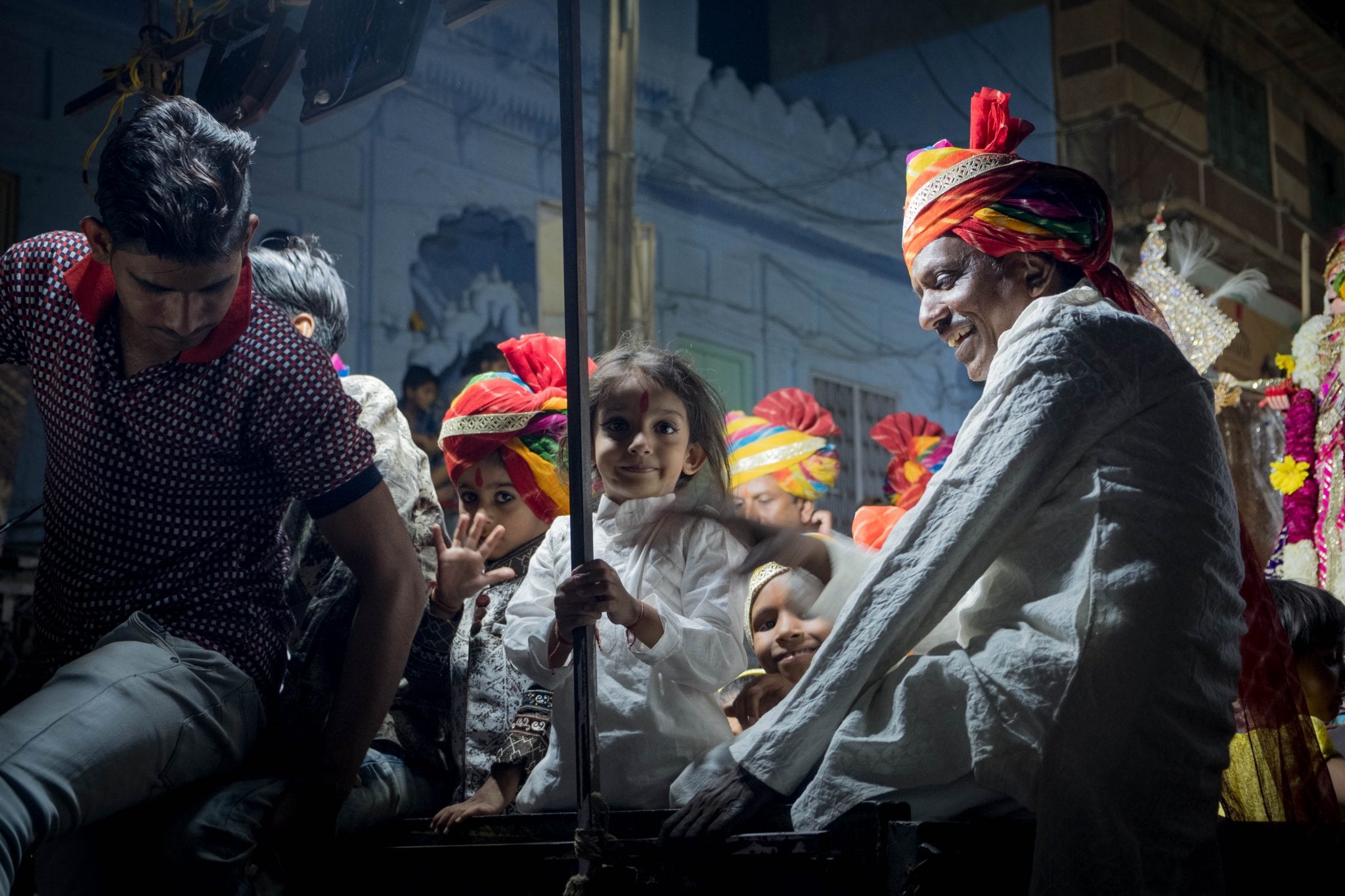
Elsewhere, as midnight approaches, processions leave from various points in the city, winding through the labyrinthine streets of the old town until, eventually, all these disparate factions coalesce on one single point at around 4am. not all the groups are female though. At one point I find myself amongst a group of a few hundred men emerging through one of the city’s ancient gateways. They’re followed by carts containing stacks of speakers blaring Hindi music as one turbaned man, a microphone in hand trailing a long, thick cable, appears to act as MC for the others, chanting to the tune while each and every one of them claps and repeats his words.
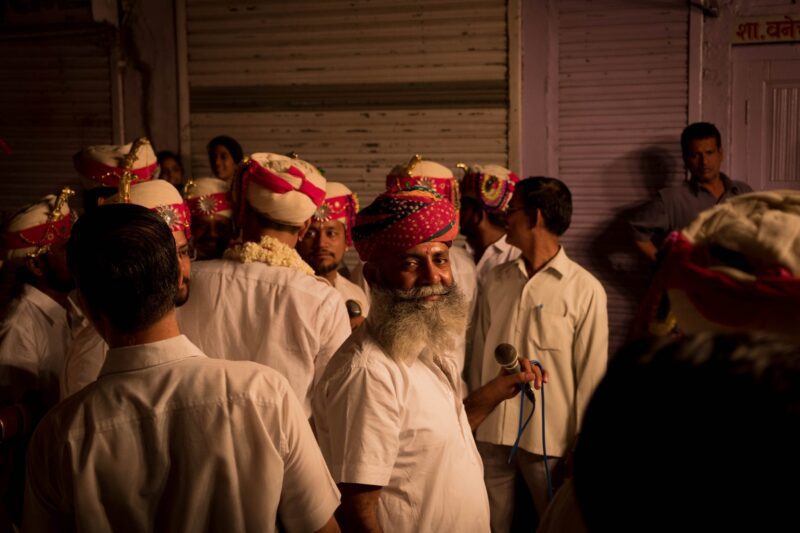

As my attention wanes, I feel a hand clasp around my wrist and pull me sharply into the fray. Within seconds I’m surrounded by the singing men, their faces contorted with laughter as they aim their chants towards me, pointing and gesturing at me to join their dance. I can feel my face burning with embarrassment but I do my best. With my two left feet, I attempt to mimic their moves, raising and twisting my arms the same way that they do which only engenders more laughter and applause from both them and the spectators watching on from the pavement.
The MC continues his song, only this time appearing to direct his sharp-tongued lyrics at me, causing everyone to guffaw rapturously. By the time I have television cameras aimed in my direction, I decide that it’s time to call it quits. My dancing can’t cut it for a live audience so I certainly don’t want it immortalised on film.

In the early hours of the morning, Jodhpur’s streets are still packed as gradually the disparate parades make their way to the centre of town where stages and speaker stacks are set up to facilitate the all-night party. While the majority of revellers are women, some moustachioed and others colourfully draped in saris and golden jewellery, some men hang around, eating, drinking, and waiting to tease the women in return for their beating. Perhaps because, tradition has it, that if a bachelor is struck by a lathi, he will marry the woman of his dreams.
However, for Jodhpur’s women, this is one night of the year where they can have fun and indulge in what should be theirs – independence and freedom. I return to my hotel before the party begins in earnest. Taking a beating is not at the top of my to-do list and looking at Jodhpur’s women, they have their fake beards attached and they’re taking no prisoners.
Where to Stay in Jodhpur
Jodhpur isn’t short of high quality, budget guesthouses and hostels. Many of the best properties are concentrated in the winding alleyways north of Sardar Market. Most taxis from the train or bus station won’t take you into the narrow back streets, so book ahead of time and get dropped off at the clock tower or the northern gate and walk the rest of the way.
Yogi Guesthouse
I loved my stay at Yogi guesthouse, a 500-year-old haveli nestled beneath the walls of Mehrangarh Fort, washed in different shades of blue and converted into a quiet and peaceful backpacker hostel. The hostel boasts a lovely indoor and outdoor courtyard on the ground floor, as well as a rooftop cafe with incredible views of the fort. The owners are also friendly and helpful (they managed to organise a safe delivery of my passport, which I had stupidly left in Udaipur).
Dorm beds from £4 per night. Private rooms from £21 per night.
Zostel
If you have read my other India guides, you will know that I’m a fan of the largest hostel chain on the Indian subcontinent due to the fact they’re usually clean, reasonably priced and have friendly, helpful staff. Zostel tends to be the safe choice for a place to stay in India and the Jodhpur branch is no exception. The hostel is located just 550 yards from Mehrangarh Fort and a short walk from the northern gate of the central market, meaning that it is perfectly placed for guests that want to explore on foot or by bike. As well as that, the rooftop restaurant has incredible views over the city.
Dorm beds from £5 per night. Private rooms from £23.
HosteLaVie
Another hostel with the obligatory rooftop restaurant, HostelLaVie offers a mix of stylish 4 and 6 bed dorms as well as private rooms, each with aircon, lockers and their own en-suite bathrooms.
Dorm beds from £4 per night. Private rooms from £17.