Arriving in Limassol, I can instantly see that it is a city at a crossroads. Sitting perfectly placed between Paphos and Larnaca, it is a city that refuses to be defined by a single identity: While it has historical roots with its ancient port, it is also Cyprus’s cosmopolitan playground, while still being rooted in Cypriot community where old traditions continue to shape everyday life.
Sitting roughly halfway along Cyprus’s southern coast, it has long been the island’s beating commercial heart, a place where traders, travellers, and cultures have met for centuries. Today, that layered past unveils itself in subtle ways: the medieval walls of its central castle shadow a sleek marina where fishermen share waterfront space with sleek superyachts, modern apartments, and centuries-old tavernas stand beside contemporary wine bars. For visitors with limited time, Limassol offers the ability to experience a mix of ancient history, modern Mediterranean culture, and a relaxed beach break all at once.

To understand Limassol’s unique character, it helps to step back into its long and complex history. Unlike some Cypriot cities that grew primarily around a single ancient settlement, Limassol evolved between two powerful ancient kingdoms: Amathus, to the east, and Kourion, to the west. Its position between these centres made it a natural meeting point for trade and defence, and by the medieval period it had become a significant port during the Crusades.
In 1191, Richard the Lionheart is said to have married Berengaria of Navarre in Limassol, which is a moment that linked this Cypriot coastal town directly to the sweeping political dramas of medieval Europe. Over the centuries, the city passed through Byzantine, Lusignan, Venetian, Ottoman, and British rule, each leaving traces in its architecture, cuisine, and cultural outlook. Today’s Limassol feels worldly yet grounded, shaped by centuries of exchange between East and West.

Walking through the Old Town in the morning, you can see how this history still remains in everyday life: Elderly locals chatting outside bakeries, the scent of fresh bread drifting through narrow streets, and the quiet presence of the medieval castle sitting at the city’s historic core. Along the marina, the atmosphere is completely different: sleek yachts bob beside the modern promenades, and international restaurants hint at Limassol’s current role as Cyprus’s most globalised city. It’s a place where local fishermen’s trade are still essential, but high-end cocktail bars line the shore. It’s a juxtaposition that somehow feels natural at defines the city.
What truly sets Limassol apart, both within Cyprus and as a Mediterranean destination, is this seamless blend of past and present. While cities like Paphos lean heavily into archaeology and Ayia Napa into nightlife, Limassol offers a balanced experience: history is ever-present without the place feeling like an open-air museum, and beaches dot the shore without it feeling like this is just another cookie-cutter resort. Even the food scene remains local as it evolves to include more international flavours. The city’s annual festivals, from Carnival to wine celebrations.


This guide to spending a day in Limassol is designed to help you move through those layers with intention, uncovering the city’s history, culture, and contemporary energy as the day unfolds. Whether you arrive as a history enthusiast, a beach lover, or simply someone curious about Cyprus’s most dynamic city, Limassol is a place where you can slow down, explore deeply, and experience a Mediterranean destination that feels both ancient and vividly alive.
Morning in Limassol: Old Town Charm & Seafront Strolls
Limassol’s Old Town is the perfect mix of the city’s past and present and the ideal place to begin your time in this part of Cyprus. The two sides of Limassol overlap most vividly here amongst the compact quarter of medieval lanes, Ottoman-era buildings and revived courtyards now filled with independent boutiques, cafés and art studios.


Once the commercial heart of the busy trading port, the district has evolved into a lively cultural hub without losing its local character. Expect a neighbourhood that feels lived-in and where historic landmarks sit alongside contemporary galleries and everyday Cypriot life unfolds in full view. Give yourself time to wander slowly and fairly aimlessly; this is an area best explored through small discoveries rather than a strict checklist of sights. Having said that, below are some of the must-dos in Limassol’s Old Town.
Explore Limassol Castle & the Medieval Museum
The city’s main historical attraction, Limassol Castle, stands as one of Limassol’s most recognisable historic landmarks. It’s a compact stone fortress that has witnessed centuries of shifting empires, crusader legends, and cultural changes. Though modest in scale compared to the majority of Europe’s grand castles, its importance lies in the layers of history held within its thick walls. The current structure largely dates to the Ottoman period in the 16th century, but it sits on the site of an earlier Byzantine fortification and later medieval castle built during the Lusignan era. Over time, it has served many purposes: royal residence, military stronghold, prison during British colonial rule, and today, the home of the Cyprus Medieval Museum.
The castle’s most famous historical moment is connected to the Third Crusade. According to legend, Richard the Lionheart married Berengaria of Navarre here in 1191, as she was crowned Queen of England on Cypriot soil. It’s an event that connects Limassol to the broader narrative of medieval European politics and crusader campaigns. While the exact details remain debated among historians, the story has become a defining part of the castle’s identity and highlights the city’s strategic importance during the Middle Ages, when Cyprus was a key crossroads between Europe and the Near East.


Step inside, and the Cyprus Medieval Museum unfolds across multiple levels, guiding you through the island’s history from roughly the 3rd to the 18th centuries. Stone staircases lead to vaulted rooms filled with artefacts that reveal everyday life as well as military and religious culture. Exhibits include suits of armour, swords, ceramics, coins, Byzantine icons, and intricate jewellery, offering glimpses into the craftsmanship and trade networks that shaped Cyprus’s medieval society. One of the most compelling aspects of the museum is how it places local history within a wider Mediterranean context.
Even if the exhibits aren’t your thing, the upper levels provide views across the Old Town’s rooftops and toward the nearby marina. The cool stone interior offers welcome relief from Limassol’s summer heat, and the intimate scale makes it easy to explore at a relaxed pace without feeling overwhelmed.
Wander the Medieval Quarter’s Backstreets
Beyond the castle, a maze of narrow lanes reveals the Old Town’s quieter side. For architecture lovers, there are plenty of restored townhouses painted in soft pastels sitting beside weathered stone façades, while hidden courtyards host cafes, artisan workshops, and small galleries. The area has experienced a creative revival in recent years, drawing local designers and artists back into historic spaces.
However, as you wander, the real joy is in noticing everyday life unfolding as people chat across balconies, laundry flutters from railings, and the scent of fresh-baked treats drifts from family-run kitchens.
Discover Limassol’s Street Art Scene
In recent years, Limassol’s Old Town has almost become an open-air gallery, with colourful murals and political pieces reflecting the city’s youthful, creative energy and evolving identity.


While the historic streets carry centuries of stories, contemporary artists have added new layers through large-scale portraits, abstract designs and socially themed works that speak to modern Cypriot culture. Some of the most notable clusters can be found around Saripolou Square, along the side streets branching off Anexartisias Street, and in the lanes near Heroes’ Square (Plateia Iroon), where unexpected corners reveal walls of images and hidden tags.


The area around the old carob warehouses near the castle is another good hunting ground, with industrial backdrops that lend themselves to bold, large-format pieces. Rather than following a strict map, wander slowly and aimlessly while keeping your eyes peeled: part of the charm lies in stumbling across a mural tucked beside a café terrace or down a quiet alley. These works highlight Limassol’s shift from a purely commercial port to a creative, forward-looking city.
Tip: Make sure to stop off at Athinon Urban Art Gallery in the Katholiki district, where you’ll find a large cluster of murals that change each year as part of the Street Life Festival Limassol.
Browse Anexartisias Street for Local Life & Shopping
Running through the heart of the Old Town, Anexartisias Street was once a bustling commercial artery for traders and merchants, and it still remains one of Limassol’s key shopping streets, lined with a mix of independent boutiques, local fashion labels and familiar high-street brands.


It’s the ideal place to seek out Cypriot crafts, handmade jewellery and contemporary design pieces. Even if you’re not shopping, the street is a great place to observe daily life, students, shopkeepers greeting regulars and locals going about their routines.
Visit the Limassol Municipal Market (Agora)
Housed in a restored historic building, the Limassol Agora combines the spirit of a traditional market with a modern food hall concept. Inside, you’ll find stalls selling local produce, spices and sweet treats alongside casual and stylish eateries serving everything from Cypriot meze to international street food. It’s an ideal place to stop for lunch while soaking up the lively atmosphere. The market reflects Limassol’s cultural blend, with old trading traditions meeting newer tastes.
Pause at Saripolou Square for Café Culture
Saripolou Square and its surrounding streets have become a social hub for Limassol’s younger crowd, dotted with coffee shops, wine bars and relaxed eateries. During the day, it’s a laid-back spot to rest with an iced coffee, perfect for people watching as the city’s creative community come and go. In recent years, the square has played a key role in the Old Town’s transformation into a lively cultural district, hosting small events and attracting independent businesses that give the area a modern, urban edge.
Visit Agia Napa Cathedral
A short walk from the castle stands Agia Napa Cathedral, one of Limassol’s most significant religious landmarks and a peaceful counterpoint to the busy streets that surround it. Built in the early 20th century on the site of a much older church, the cathedral is dedicated to the Virgin Mary and plays a central role in the city’s Orthodox Christian celebrations.


Although the exterior is a little subdued, it gives way to an interior rich with iconography, gilded details and painted ceilings displaying artistic traditions that have been part of Cypriot life and the island’s piety for centuries. Even if, like me, you’re not religious, it is worth stepping inside to see the spectacular richness of its decor and to find a quiet moment.
Discover Local Art & Small Galleries
Scattered throughout the Old Town are small galleries and creative spaces showcasing contemporary Cypriot art, photography and design. Many occupy restored historic buildings, adding another layer to the district’s ongoing renewal. Pop into whichever space catches your eye, and you’ll find that exhibitions are often intimate and accessible, offering insight into how local artists interpret Cyprus’s history, landscapes and modern identity.
Alongside these small, private galleries, you will find a number of museums and publicly owned art spaces that help give you a sense of space and history while wandering the Old Town. As well as giving historical context to the streets and buildings you’re seeing, they also help the area feel like a living neighbourhood shaped by centuries of trade and tradition, as well as adding a sprinkle of creativity. Spend a morning visiting them, and you’ll come away with a deeper sense of the city’s character beyond its reputation as a holiday destination.
- Limassol Municipal Art Gallery – One of the largest and richest collections of Cypriot modern art with over 600 paintings, sculptures, pottery and mixed media pieces exhibited across a building designed by German-Jewish architect Ginsdbury in 1938, housing collections of paintings by well-known Cypriot artists, including Adamantios Diamantis, Christophoros Savva and Telemachos Kanthos.
- The Cyprus Wine Museum – Situated at the edge of the wine-producing countryside in the village of Erimi, the Cyprus Wine Museum will take you on a journey through the history of the island’s long winemaking tradition.
- Municipal Folk Art Museum – Housed in a renovated building, the Municipal Folk Art Museum was founded in 1985, and showcases collections of Cypriot folk art from the 19th and 20th centuries, with over 500 exhibits displayed across six rooms.
- Natural History Museum of Limassol – Located within the grounds of the Carlsberg Brewery, the museum is the largest natural history exhibition of its kind on the island and was founded by ‘The Photos Photiades Charity, Scientific and Cultural Foundation’. Amongst its 2.500 or so exhibits are: embalmed mammals, birds, fish, reptiles and insects, along with rocks, minerals, semi-precious stones, shells and fossils.
Midday: Marina Views & Long Lunches
By midday, things start to quieten down as people stop for lunch or a coffee break. The walk from the Old Town to Limassol Marina feels like a natural transition from sightseeing towards a leisurely break over some good Cypriot food. As you approach, the architecture changes from medieval structures to the sleek glass buildings and towering, stylish hotels of the seafront. It’s a nice place to spend the midday hours, lounging with a glass of wine on whitewashed terraces while rows of yachts gently rock in the harbour. The marina represents Limassol’s modern side, reflecting the city’s emergence as one of Cyprus’s most cosmopolitan destinations.


Hopefully, there’s time to wander before you settle down to eat, allowing you to browse boutiques and small galleries as well as make the most of the shaded walkways, which offer glimpses across the Mediterranean. While it appears polished and upmarket, the marina area never feels overly stuffy; there’s a mix of families strolling with gelato, couples chatting over coffee, and locals meeting for business lunches that stretch comfortably into the afternoon.
If you’re feeling active after lunch, the marina is also a departure point for short boat excursions along the coast. Alternatively, simply find a shaded bench or waterfront bar and watch the choreography of harbour life.
Where to Get Lunch in Limassol
Around the marina and Old Town, the options range from contemporary waterfront restaurants to traditional family-run tavernas. Long lunches are encouraged, local wines are poured generously, and meals often drag on (in the best possible way). Here are a few standout spots, whether you’re pausing for a marina-side lunch, a traditional meze dinner or a quick, afternoon drink.
Pier One
Where: Old Port, Limassol 3042, Cyprus
When: Daily 9am – 12.30am
Perched above the Old Port, Pier One is one of Limassol’s most dramatic places to eat and drink. Housed in a sleek, glass-fronted building that almost appears to float over the marina and the surrounding area, its floor-to-ceiling windows offer uninterrupted views out across the water and promenade, with the bobbing boats and crashing waves shaping the experience as much as the food itself.


Pier One operates as an all-day café, restaurant and bar, with a menu designed to reflect that. Breakfast and brunch are generally busy, thanks to polished takes on international favourites and lighter, health-conscious plates such as avocado toast and acai bowls, while dinner is much more refined, leaning into a broad, Mediterranean-tinged fusion style that reflects Limassol’s cosmopolitan dining scene. However, I recommend dipping into Pier One’s extensive sushi menu for some of the best Uramaki and Nigiri rolls you will find on the island.
Marina Breeze
Where: Limassol Marina St-Shop E3, Street 3601, Cyprus
When: Daily 10am – 2am
For a spot that’s cool but not too formal, Marina Breeze is an easy, stylish place to slow down with a drink. Comfortable outdoor seating sits almost at the water’s edge, and it is the ideal, relaxed daytime café to stop in at for a light lunch. The menu focuses on light Mediterranean dishes and shareable plates such as salads, seafood bites and simple snacks that pair well with chilled local wines or citrusy cocktails. It’s a natural stop after exploring the Old Town, but also worth popping into on an evening, when it transitions to a lively early evening bar.
Epsilon Restobar
Where: Limassol Marina St, Limassol 3014, Cyprus
When: Monday to Thursday 12pm – 1am; Friday 12pm – 2am; Saturday 10am – 2pm; Sunday 10am – 1am
With sweeping sea views and a sleek, modern design, Epsilon represents Limassol’s upscale dining scene at its most polished. The restaurant blends Mediterranean and Asian influences, offering sushi, seafood and inventive cocktails that draw both visitors and locals. Large glass windows bring in the afternoon light, and by sunset, the space fills with a lively crowd settling in for drinks and dinner.
Saripolou Square Wine Bars & Cafés
While not a single cafe recommendation, the cluster of small wine bars and cafés around Saripolou Square gives a snapshot of Limassol’s more youthful, creative side. Many places here focus on Cypriot wines sourced from nearby vintners, giving you the chance to sample indigenous grape varieties without having to visit the vineyards. By day, the area is the reserve of local coffee culture, but by night, it becomes a lively yet laid-back gathering spot for students and a younger crowd.
Other Excellent Dining Options in Limassol
- Dionysus Mansion – Housed in a beautifully renovated former mansion, this is one of Limassol’s most romantic restaurants and an ideal date night spot. During the day, the space is serene and sunlit, particularly in the courtyard; by night, candlelight and gentle music transform it into one of Limassol’s most atmospheric dining experiences.
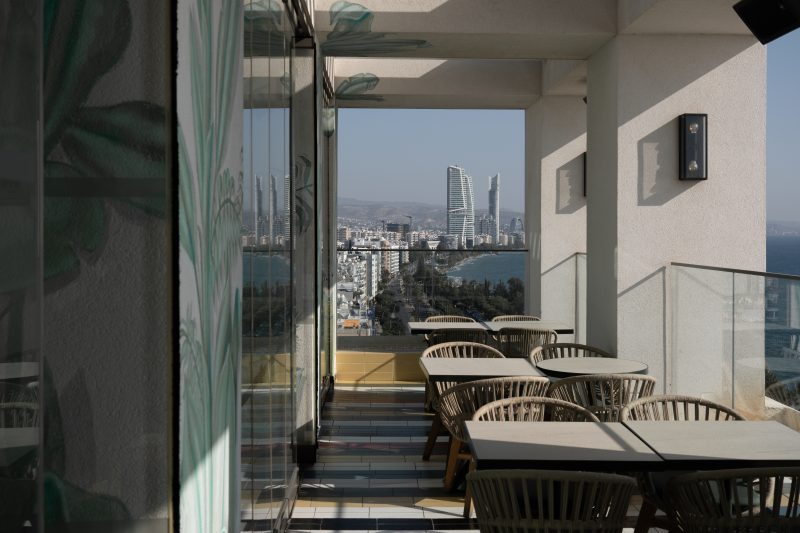
- Mizu-Mazu Asian Restaurant – City skyline views don’t get much better than those seen from Mizu‑Mazu. Perched high above Limassol on the 13th floor of the towering NYX Hotel. The menu blends delicately prepared traditional and modern Chinese dishes with broader Asian influences, including Japanese and Southeast Asian touches.
- Mostra Meze Tavern – Close to Saripolou Square, Mosta is the place to come for a generous meze or plates piled high with classic Cypriot food.
- Ousia Soulful Kitchen – Ousia Soulful Kitchen is housed in a beautifully restored historic building, blending architectural charm with contemporary finesse, creating a space that is as inviting as it is quietly sophisticated. Its open terrace spills out onto the cobblestones of Irinis Street, where lantern light sparkles in the evenings.
Wherever you choose to dine, Limassol’s food scene reflects its history but doesn’t shy away from up-to-date food trends and modern dining, thanks to it being one of Cyprus’ most contemporary destinations. Here, centuries-old recipes sit alongside bold, modern cuisine, from vine-shaded tavernas serving traditional meze to sleek restaurants reimagining Mediterranean flavours with global flair.
Read More: Where to Eat & Drink in Limassol and Beyond
Afternoon: Beaches or Culture
As the midday heat settles over Limassol, I found that the pace of the city gradually slows as people aim to avoid the pounding heat. If you have spent a rushed morning seeing the Old Town’s sights, the afternoon offers an opportunity for either relaxation or venturing further afield. Some travellers head inland towards ancient ruins and medieval fortresses that tell the story of the island’s layered past, while others will be drawn to the sea, where warm, shallow waters and beaches allow for a few unhurried hours of swimming and sunbathing.
If you’re in search of culture and historical context, heading west towards Kourion offers one of the most rewarding historical experiences near the city. The Greco-Roman theatre remains its most impressive feature, but the surrounding mosaics, villas and bathhouses offer equally compelling glimpses into daily life centuries ago. Elsewhere, Kolossi Castle provides another window into Limassol’s medieval past. This compact fortress, surrounded by citrus groves and farmland, reflect the strategic importance of the region during the Middle Ages.
If your ideal afternoon leans towards relaxation, Limassol’s beaches provide a welcome escape. Dasoudi Beach, located within the city itself, is a favourite among locals thanks to its accessibility and shaded eucalyptus groves that run alongside the sand. Further west, Lady’s Mile Beach stretches wide along the Akrotiri Peninsula. This is where families gather on weekends, friends hang out over grilled fish lunches and the horizon feels wonderfully expansive.
Whether you spend the afternoon exploring ancient amphitheatres or floating in the shallows, this part of the day perfectly encapsulates Limassol’s duality: History and leisure sitting side by side, and the choice between culture and coast ultimately depends on your mood.
The Best Beaches Near Limassol
Most of Limassol’s best beaches are laid out in front of the luxury, sprawling resorts that sit at the city’s edges, but for people who are staying in the centre of town, there are plenty of urban beaches on offer, meaning that you can stop for a little relaxation or a quick swim between sights.


Dasoudi Beach
Located within the city itself on its eastern side, Dasoudi is one of Limassol’s most beloved urban beaches, prized as much for its shady eucalyptus areas as it is for its easy access to the sea. The sand here is darker and mineral-rich (a natural feature of the region’s volcanic geology), and the calm, shallow waters make it ideal for a refreshing afternoon swim. Beach bars and casual cafés are dotted around, serving cold drinks and simple snacks.
Lady’s Mile Beach
Stretching along the Akrotiri Peninsula just west of the city, Lady’s Mile offers wide, open sands and a more spacious feel than Limassol’s central beaches. The shallow waters warm quickly in summer, making it popular with families and groups of friends looking for an easy-going day by the sea. A string of low-key fish tavernas sit on the shore, serving grilled seafood and traditional salads, perfect for a late-afternoon bite between swims without having to head back into the city.
Akti Olympion Beach
Close to the heart of Limassol and easily sitting beside the promenade, Akti Olympion is the city’s most central stretch of sand. It’s narrow and pebbly in places, but it is still a favourite for people who want a quick dip or a place to lounge without leaving the city. Sunbeds are readily available, and there are plenty of cafes nearby. The surrounding seafront is usually a hive of activity with volleyball games, joggers and casual walkers, which gives the area a sociable feel.
Governor’s Beach
Further east of Limassol, Governor’s Beach is a striking contrast to the city’s urban beaches, lined with white chalk cliffs that small coves of dark sand and clear, calm waters. Its dramatic and surreal landscape makes it a favourite with people seeking something a little different. The beach gets its unusual name from the British colonial period, when it was claimed that this was a favourite beach of the Governor of Cyprus.

It’s a quiet spot with not too much around. There are small, family-run tavernas serving freshly caught fish and traditional meze, while the sparkling waters are a draw for swimmers, snorkellers and people looking to sunbathe on the white rocks.
Cultural Sights Near Limassol
Although Limassol’s city centre provides more than enough to keep history buffs occupied, driving beyond Limassol’s limits unveils a wealth of archaeological sites to explore.
Kourion Archaeological Site
Opening Hours: Open daily from 8.30am to 7.30pm in summer (closes at 5pm in winter). Last entry is 30 minutes before closing
Entry Cost: €4.50, with a 20% discount for groups of 10 or more
Getting there: Around 20 minutes by car from Limassol; best reached by rental car or taxi
Time needed: Allow 1.5–2 hours to explore at a relaxed pace
Top Tip: Combine with nearby Kourion Beach for a post-visit swim, or the Sanctuary of Apollo Hylates, just a short drive inland.
Perched dramatically on a cliff above the sea, the Kourion Archaeological Site is one of Cyprus’s most impressive historic sites. Just a short drive west of Limassol, the ruins are made up of the remains of an ancient city-kingdom that once flourished as a regional centre during the Hellenistic, Roman, and early Byzantine periods. Its elevated position overlooking Episkopi Bay was chosen strategically in antiquity for defence and maritime visibility, and even today, the vast sea views give an insight into why this location held such importance. Legend traces the city’s origins back to settlers from Argos after the Trojan War, though most of the structures that remain date from its Roman heyday, when Kourion was a busy place of trade and cultural exchange.

Most people are drawn to the Greco-Roman theatre, originally built in the 2nd century BCE and later expanded by the Romans. Its stunning, semi-circular rows of stone seating cascade down toward a stage framed by open sky and sea, creating one of the most photogenic historic settings on the island. It has been carefully restored and still hosts performances and concerts in summer. Even without a show, standing at the top tier and looking out across the coastline offers a powerful sense of what it would have been like to sit there centuries ago.
Beyond the theatre, the House of Eustolios gives an interesting glimpse into everyday life during late antiquity. Once a grand Roman villa and later converted into a public bath complex, it contains some beautifully preserved mosaics depicting birds, fish, and geometric designs alongside inscriptions reflecting early Christian values. Nearby, the remains of an early Christian basilica stand as evidence of this religious transformation, with stone columns marking the outline of a once-important centre of worship. The agora, or the ancient marketplace, is close by, with open spaces hinting at the bustling commercial and social heart of the city.

Kourion’s prosperity was shaken by a series of devastating earthquakes in the 4th century CE, which destroyed much of the city and ultimately led to its decline. Though some areas were rebuilt, the settlement was gradually abandoned, leaving behind the ruins that modern archaeology has painstakingly uncovered since excavations began in the late 19th century.
Kolossi Castle
Opening Hours: Open daily from 8.30am to 7.30pm
Entry Cost: €2.50
Getting there: Kolossi Castle is about a 15-minute drive west of Limassol and is easiest to reach by rental car or taxi. It’s often combined with nearby Kourion Archaeological Site for a half-day historical excursion.
Time needed: Allow around 45–60 minutes to explore the castle interior, climb to the rooftop, and walk around the surrounding grounds
Kolossi Castle rises from the flat, sun-baked countryside just west of Limassol as a reminder to Cyprus’ past and its once-lucrative sugar trade. Built in the 13th century and later reconstructed in 1454 by the Knights Hospitaller, the castle was originally a military stronghold designed to protect valuable agricultural land and trade routes along the southern coast. Unlike the larger ruins found elsewhere on the island, Kolossi feels small and slightly more intimate, with its square limestone tower standing almost perfectly preserved, giving you a chance to step directly into a medieval defensive structure.
The surrounding area was once part of a vast estate known as the Commandery of Kolossi, where sugarcane plantations thrived during the medieval period. At a time when sugar was a precious commodity in Europe, this region became an important economic hub, and the castle functioned as both an administrative centre and a residence. The Knights Hospitaller, and briefly the Knights Templar, managed the land, overseeing production and protecting exports that passed through nearby ports.
Inside the tower, narrow stone staircases lead upward through several levels, each revealing small chambers once used for storage, administration, and living quarters, while the rooftop provides fantastic views across the surrounding countryside, vineyards, and distant coastline. One of the most notable features is a carved stone coat of arms above the entrance, which is a reminder of the military orders that shaped the castle’s history.
Limassol Archaeological Museum
Opening Hours: Monday to Friday 8am to 3.30pm
Entry Cost: Free
Closer to the city, the Limassol Archaeological Museum gives a concise but interesting overview of the area’s ancient history. Artefacts range from prehistoric tools to Roman sculptures and chart the evolution of settlements around Limassol and nearby archaeological sites. Although it’s only small, the museum does a good job of providing context to places like Kourion.
Panagia Sfalaggiotissa Monastery & Wine Villages
In the foothills of the Troodos Mountains, north of Limassol, you’ll find traditional villages and small monasteries that represent the island’s religious and agricultural heritage. Panagia Sfalaggiotissa Monastery, surrounded by vineyards and rolling hills, is a peaceful glimpse into Orthodox Christian traditions that remain central to Cypriot culture. Nearby wine villages produce some of the island’s most distinctive varieties, and a short afternoon excursion here allows you to sample local vintages and explore the country’s winemaking traditions in scenic surroundings.
Evening in Limassol: Sunset & Dining
As the sun begins to set over the Mediterranean horizon, it feels like there is another shift in Limassol’s mood, moving from the fervent activity of daytime towards a slower-paced dusk. The city’s coastal and urban landscapes are bathed in a beautiful and warm golden glow that casts its light on the honey-coloured Old Town buildings and makes the seafront skyscrapers shine.

Start with a stroll along the Molos Promenade or the marina waterfront. Joggers make the most of the cooling, evening air while locals take their time on benches or walking their dogs. Artists, musicians, and café-goers mingle along the paths, while the sun setting behind the masts of yachts creates an ideal backdrop. It’s a time of day that’s best experienced from one of the promenade’s wide decks or a café terrace with a glass of chilled white wine.
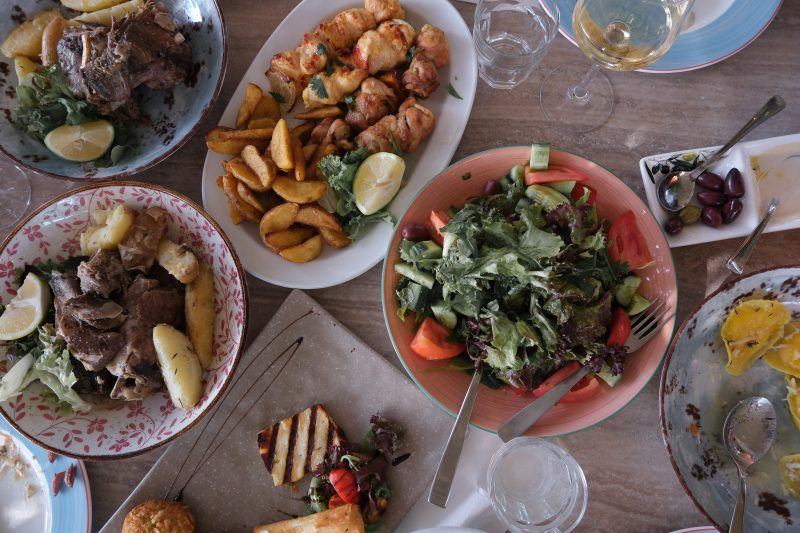
By the time that the sun has set, the long tables of traditional Cypriot tavernas begin to fill with people and are laden with meze, a parade of small plates including halloumi, grilled halloumi-stuffed courgettes, sheftalia sausages, marinated olives, fresh seafood, and slow-cooked lamb. Each dish is designed to be shared, and it’s a truly communal experience where the company is just as important as the food. At the same time, Old Town courtyards and pavements heave with people sipping pints of Keo or picking at dishes.


If you’re seeking a contemporary twist in Cyprus’s most cosmopolitan city, Limassol’s cocktail bars and wine lounges are stylish alternatives. Along Saripolou Square and Heroes’ Square, small wine bars pour Cypriot varieties, often paired with local cheeses and olives. Modern rooftop bars along the marina are the places to go for creative cocktails and panoramic views of the city and coastline, with a quick nightcap often extending into the early hours.
Where to Have A Drink or Nightcap in Limassol
Limassol’s drinking scene reflects the city’s buzzing, cosmopolitan vibe. From easygoing seaside bars to spend the afternoons to wine bars and craft beer spots tucked into the old town’s narrow streets, this is a city that knows how to party, drink well and without pretence.
Draught Microbrewery
Where: Lanitis Carob Mill Complex, Vasilissis Street, Limassol 3042, Cyprus
When: Sunday to Thursday 12pm – 11pm; Friday & Saturday 12pm – 11.30pm
If you spend any amount of time reading this blog or following me on social media, you will be aware that I spend a lot of time seeking out breweries when I travel. Microbreweries in Cyprus can be few and far between, but with Draught, you can find small batch craft beers right in the heart of Limassol’s Old Town.
It’s in a lovely setting too, housed within Limassol’s historic Carob Mill complex near the Old Port, which is a beautifully restored industrial space of stone walls and high ceilings, blending heritage with contemporary design. However, the beer is the real focus: Brewing takes place on site, and the range of beers rotates regularly, depending on what is being brewed. You will find everything from crisp, easy-drinking lagers to fuller-bodied ales and seasonal specials, with staff happy to guide newcomers through tastings or recommend a pint that suits their palette.
Bar Du Soleil
Where: Old Port, Limassol 3042, Cyprus
When: Sunday to Thursday 10am – 1am; Friday & Saturday 10am – 2am
Sitting on Limassol’s seafront promenade alongside the Old Port, Bar Du Soleil is the perfect sun-drenched spot to enjoy a daytime drink, with its open-air setting facing the Mediterranean, its stylish Art Deco design elements making it effortlessly cool.
By daylight, Bar Du Soleil is an easy stop for a casual beer while out exploring the town. As the afternoon turns into evening, the mood shifts: The volume of the music increases while cocktails start to flow. After dark, Bar Du Soleil comes into its own as a party spot. DJs and curated playlists keep the energy alive without being too overwhelming, making it a popular choice for pre-dinner drinks, late evenings or unplanned nights that stretch longer than expected (as I can attest to personally).
Guest Cafe Bar
Where: Ζικ Ζακ 8-10, Limassol 3036, Cyprus
When: Monday to Thursday 4pm – 1am; Friday & Saturday 4pm – 2am; Sunday 1pm – 1am
We stumbled across Guest Cafe Bar while on a walking tour of Limassol city centre, and thanks to this being one of Limassol’s most charming hidden finds, I don’t think that I would have otherwise discovered it.


A café-by-day and bar-by-night, Guest is tucked into the cobbled side streets of the old town that feels like a secret only the locals (and lucky travellers) know. Nestled just behind the town’s mosque, its colourful outdoor seating and lush greenery create a peaceful, almost garden-like space that contrasts beautifully with Limassol’s main streets.
If you Have More Time...
If you find yourself lingering in Limassol beyond a single day (hey, who wouldn’t want to spend a week in this glorious destination?), the surrounding region offers an enticing mix of natural beauty, cultural exploration, and culinary adventures. Cyprus’s compact size makes it easy to extend your trip beyond the city limits and take in more of the country without feeling rushed, allowing you to dive deeper into both inland and coastal experiences that reveal the island’s rich heritage and relaxed Mediterranean lifestyle.
Extending your time in and around Limassol allows you to appreciate the island’s diversity at a deeper level, from mountains and vineyards to ancient ruins and flamingo-filled salt lakes, as well as broadening your understanding of how this coastal city sits at the crossroads of nature, history, and contemporary Cypriot life.
Troodos Mountains
Driving through pine forests, climbing winding roads into the cool mountain air, takes you right into the heart of Cyprus. Just over an hour’s drive from the city, the Troodos Mountains feel worlds away from the city, giving you a glimpse of the island’s quieter side that is mostly made up of traditional village life, religious heritage, and outdoor exploration.

There’s plenty to explore: taking a scenic route from the coast into Cyprus’ interior passes through vineyards and stone-built villages, each offering small cafés, local craft shops, and tavernas serving mountain dishes like slow-cooked meats and fresh village bread. The Troodos area is also home to several UNESCO-listed painted churches that may seem modest on the outside but are richly decorated within, filled with Byzantine frescoes that reflect centuries of religious devotion and artistic tradition. Sites such as the Church of Panagia tou Araka and Agios Nikolaos tis Stegis provide fascinating insight into Cyprus’s Orthodox heritage and make for fascinating stops.
If hiking is your thing, you’ll also find walking trails weaving through cedar and pine forests, including routes around Mount Olympus, the island’s highest peak. Even short walks serve up sweeping panoramas across valleys and, on clear days, you may even get distant glimpses of the Mediterranean. In spring and early summer, colourful wildflowers cover the hillsides, while autumn brings cooler temperatures and harvest season in nearby wine villages, which is an ideal time to pair your holiday with vineyard visits.


One of the most striking modern landmarks in the region is the Troodos Observatory: It’s a futuristic, mirrored structure that seems to emerge from the mountainside and reflect the nature surrounding it. Designed with sustainability and accessibility in mind, its architecture combines smooth curves and elevated walkways that lead visitors gradually upwards, echoing the motion of a telescope turning toward the sky. Unlike traditional observatories reserved solely for scientists, the Troodos Observatory is a public education centre dedicated to astronomy and space science. There are a few interactive exhibits which explain the cosmos in accessible ways, while the rooftop observation deck offers sweeping 360-degree views of the surrounding peaks and of the night sky, which is remarkably clear thanks to low light pollution at altitude.

Visiting the observatory is straightforward: it can be reached by car from Limassol in roughly 90 minutes, depending on your route and stops along the way. Opening hours can vary seasonally, so checking ahead is wise, particularly if you hope to attend an evening stargazing session or special event. However, even during the day, the building’s design and panoramic setting make it a worthwhile stop.
Limassol's Wine Villages
Cyprus has a centuries-old winemaking tradition, and Limassol’s surrounding villages like Omodos, Erimi, and Koilani offer immersive experiences for oenophiles and casual tasters alike. Many small family-run wineries welcome visitors for tours and tastings of indigenous varieties such as Xynisteri and Maratheftiko. The villages are a worthy detour themselves and can feel like stepping back in time with their stone-paved streets, old monasteries, and charming squares, giving an authentic glimpse into rural Cypriot life.

Akrotiri Salt Lake
East of Limassol, you’ll find the Akrotiri Salt Lake, which comes alive during winter and early spring when flocks of flamingos visit the shallow waters. The area is a haven for birdwatchers and photographers, offering serene landscapes that feel worlds away from Limassol’s urban bustle. Nearby, small coastal cafés serve fresh seafood, allowing you to combine nature and gastronomy in a single outing.
Ancient Kourion & Other Archaeological Sites
If you didn’t have time for Kourion during your main itinerary, or wish to explore further, the wider Limassol region has a smattering of places that will interest history buffs. The Sanctuary of Apollo Hylates and the Amathus archaeological site offer insight into ancient religious practices, city planning, and Cypriot civilisation long before modern Limassol existed and are well worth visiting.

Day Trips to Paphos or Larnaca
Limassol’s central coastal location makes it a convenient base for short trips to other major cities in Cyprus. Paphos, with its mosaics, medieval harbour and UNESCO-listed sites, is about an hour’s drive west. It probably deserves a little more time, but a day is more than enough to see the main sights. To the east, Larnaca offers more of a relaxed seaside town vibe, the iconic Hala Sultan Tekke mosque, and palm-lined beaches. Both make manageable excursions and have a different vibe to Limassol, adding a little more historical and cultural depth to your Cyprus itinerary.
Where to Stay in Limassol
Choosing where to stay in Limassol depends on the kind of experience you want from your trip. The city’s Mediterranean shoreline stretches for kilometres, and beachfront resorts offer relaxed days by the sea with resort‑style all-inclusive hotels, pools and spa facilities. This is ideal if sun, sand and sea views are your priority. If culture is more your thing, the city centre and Old Town put you within walking distance of cafés, restaurants, boutiques, historic streets and the marina, which are great for soaking up local life. I think that both options have their own appeal, and I was lucky enough to switch hotels and experience both on my most recent trip to Limassol.
Below are notable hotel options that reflect the duality of the Limassol experience:
The GrandResort Limassol
Where: Amathountos 127, Pareklisia 4533, Cyprus
Best for: A luxurious beach break
Bordering a lovely stretch of the Limassol coastline in the chic Amathus area, this five-star beachfront resort is perfect for sun-seekers and families alike. The elegantly appointed rooms and suites are ju1s1t a short walk from Cyprus’ turquoise waters, blending modern comfort with a distinctly Mediterranean vibe. I was lucky enough to have a two-room suite with access to one of the hotel’s swim-up pools, and it felt like one of the most luxurious hotel stays I have experienced.


Away from the main hotel building, lush tropical gardens, a range of pools, and multiple dining spots serving everything from international buffets to refined à la carte menus are on offer. On-site spa facilities and wellness experiences round out a stay that feels quite indulgent.
Amathus Beach Hotel Limassol
Where: Amathountos 75, Agios Tychon 4532, Cyprus
Best for: A luxury design hotel with state-of-the-art facilities
A perennial favourite on Limassol’s shore, this luxury hotel is renowned for its refined service, extensive facilities and superb beachfront location. Spacious rooms and suites boast sea views, while multiple pools, tennis courts and a world-class spa ensure there’s plenty to do between dips in the Mediterranean. Its elegant restaurants and bars, often featuring local seafood and Cypriot dishes, make it an excellent choice for foodie stays.
NYX Limassol
Where: Anexartisias str. &, Christodoulou Sozou str, Limassol 3036, Cyprus
Best for: A stylish and quirky city centre break
For travellers who would prefer a more central location so that they can immerse themselves in the city’s culture and nightlife, NYX Limassol sits in the heart of Limassol’s vibrant urban environment. Stylish and contemporary, with quirky design flourishes, this four-star hotel showcases sleek furnishings and clever use of space, with a rooftop pool and bar that’s perfect for sundowners overlooking the city skyline. Steps from historic streets, boutiques, cafés and cultural landmarks, it’s a brilliant base for exploring the Old Town and marina areas on foot.
Royal Apollonia Beach Hotel
Where: CY 4048, Georgiou ‘A 68, Limassol 4048, Cyprus
Best for: A full resort experience
Set directly on a sandy stretch in Limassol’s lively tourist area, the Royal Apollonia balances resort comfort with easy access to the city’s restaurants and nightlife. The hotel feels polished but still has a relaxed atmosphere, with bright contemporary interiors and wide sea-facing terraces that make the most of Cyprus’s long sunny days. Many rooms and suites come with uninterrupted Mediterranean views, private balconies and a modern design that suits both couples and families looking for a classic beachfront stay.
Crowne Plaza Limassol by IHG
Where: Προμαχών Ελευθερίας 2, Agios Athanasios 4103, Cyprus
Best for: Somewhere close to athe city’s sights without being in the middle of it all
Positioned right at the start of Limassol’s famous promenade, this long‑established hotel isn’t in the historic centre but is still just a short stroll from cafés, bars and shops, and the marina, Old Town and castle, which are all easily reachable on foot. Rooms often feature sea views, and the hotel’s facilities include indoor and outdoor pools, a spa and fitness spaces, making this perfect as a comfortable base for exploring.
Other Excellent Central & Value Options
Limassol’s city centre also includes:
- Alinea Primo Historic Centre – Upscale historic‑style stay near Saripolou Square
- Pefkos City Hotel – Budget‑friendly, well‑rated option
- Heart Hotel – Boutique hotel with excellent value and personal touches
- Alinea Suites Limassol Center – Serviced apartments for longer stays
- La Maltese Mansion – Affordable boutique option with artful design
These are typically walkable to cafés, nightlife, historical sights and the promenade, making them perfect for travellers who want to explore Limassol on foot rather than relying on transfers.
How to get to Limassol
Reaching Limassol is relatively straightforward, even though the city itself doesn’t have an airport. Most international visitors arrive via Larnaca International Airport, Cyprus’s largest and busiest hub, located around 70km east of the city. From here, Limassol is an easy onward journey of roughly 45–60 minutes. Regular intercity buses run throughout the day, offering a reliable and affordable option, while taxis and pre-booked transfers provide a faster, door-to-door alternative.
Car hire is also popular, particularly for travellers planning to explore the wider island, with the coastal motorway making the drive smooth and well signposted.
From the UK, you are more likely to arrive at the small but equally convenient alternative of Paphos International Airport, around 60km to the west. While it serves fewer international routes, particularly outside the summer season, it can be a useful entry point for travellers arriving from the UK with regular year-round flights from most major airports. The journey from Paphos to Limassol typically takes around an hour by car or taxi, with intercity buses again providing a budget-friendly option.
Getting Around
Limassol isn’t as compact as other, similarly sized cities; instead, it stretches a large distance along the coast. However, getting around is generally straightforward, whether you’re staying by the beach, in the Old Town or along the modern seafront. Much of the city’s appeal lies in its walkable neighbourhoods and promenades, with a combination of buses, taxis and bike hire facilities that make it easy to cover longer distances or explore beyond the city limits.
Limassol’s historic centre is a rewarding area to navigate on foot. The Old Town, medieval castle, marina and Molos seafront promenade are all close together, making walking the best way to see the sights while stopping off at cafés, museums, shops and restaurants. The best time to do this is in early mornings and evenings when the temperatures are a little lower.

If travelling outside of the centre, buses are the main form of public transport and are both reliable and affordable. Routes run along the length of the city, connecting the Old Town, marina, tourist areas and beachfront hotels. They’re especially useful if you’re staying in areas such as Amathus or Agios Tychonas. Services are frequent during the day but become less regular in the evenings and on Sundays, so it’s worth planning ahead if you’re relying on them.
Taxis are plentiful and convenient, especially for short journeys or late-night travel. While more expensive than buses, they’re still reasonably priced by European standards and can be hailed on the street, found at taxi ranks, or ordered via phone and local apps. Ride-hailing services are limited compared to other European cities, but UBER is available.
Cyprus has a modern road network, and driving is the most convenient way to explore, particularly if visiting some of the restaurants mentioned here that are located in mountain villages. For us UK folk, cars driving on the left-hand side, and the fact that signage is in Greek and English, make hiring a car even easier. Discover Cars is a great company to use for this, as they allow you to compare multiple providers before booking.
Airport Transfers
Both airports are supported by reliable ground transport networks: Regular intercity buses run from Larnaca Airport to Nicosia, Limassol, and other coastal towns. Taxis and car rentals are widely available. From Paphos, Shuttle services link the airport with Paphos town and resort areas. Buses run to Limassol, though services are less frequent than from Larnaca.
When is the Best Time to Visit Limassol?
I visited in Winter and while this usually means that the weather is mild, with daytime sitting at around 15–18°C, we experienced temperatures of 26°C each day. It’s worth noting that evenings can be cooler, and you will have to wear layers. This is an excellent time for cultural exploration, visiting museums, villages and archaeological sites without the heat or crowds. Winter is also when locals tend to celebrate events such as the Cyprus Christmas Villages in November/December and Limassol Carnival in February or March.

If your priority is sun and sand, then summer is the prime time to visit. Daytime temperatures can reach 32°C (90°F) or higher, making mornings and late afternoons the only real time to stroll the seafront or wander the town centre. Beaches like Dasoudi, Lady’s Mile, and Governor’s Beach are at their liveliest, and the marina is busy with activity as both locals and visitors soak up the sun. Summer evenings also bring the most vibrant nightlife as seafront bars fill with music and revellers. Do note that July and August are peak season, so hotels and restaurants may be busier, and prices slightly higher.
I would say that spring is the ideal time to visit. While the coastal waters can be a little chilly, temperatures on land are warm but not scorching, making walking through the Old Townand hiking in the Troodos Mountains very pleasant. The landscape is especially vibrant, with wildflowers blooming along coastal paths and in rural villages, while the city’s parks and promenades are alive with locals enjoying the gentle sun.
FAQs
Is one day in Limassol enough?
One day is enough to see the highlights, such as the Old Town, marina, seafront promenade, and one or two beaches, along with a long meal or sunset drinks. However, Limassol and the wider area have a lot to offer in terms of attractions. It is layered with history, culture, and beautiful mountain villages, so a few extra days or allows for exploring archaeological sites like Kourion, wineries, or spending some time relaxing.
Is Limassol Walkable?
Limassol’s city centre, Old Town, and marina are compact and highly walkable. You can easily explore the castle, pedestrian streets, cafés, and waterfront without needing transport. The beaches outside the city, archaeological sites, and mountain villages definitely require public transport, a car, or a taxi ride.
Limassol vs Paphos for a day trip?
Both cities have rich histories and a lot to offer, but Limassol has a more cosmopolitan feel and is ideal for combining beaches and Old Town charm in a single day. Paphos, about an hour west, has more archaeological attractions such as ancient think mosaics, the Tombs of Kings, and ruins. If your focus is swimming, dining, and lively city vibes, Limassol is better for a short visit; for history-heavy exploration, Paphos makes a compelling day trip.
Is Limassol safe for tourists?
Limassol is generally very safe, with low crime levels. Like in any destination, I would always recommend taking standard precautions, like watching personal belongings in crowded areas. Evening walks in the Old Town or along the promenade are generally trouble-free, more so than in most major UK cities, but you should obviously always keep your wits about you.
Do I need to speak Greek to get by?
English is widely spoken, especially in hotels, restaurants, and tourist areas. Signs and menus are usually bilingual. Learning a few phrases in Greek, such as “kalimera” (good morning) or “efharisto” (thank you) is appreciated and will enhance your experience.
Is Limassol family-friendly?
Yes. Beaches like Dasoudi and Lady’s Mile have shallow waters suitable for children. Promenades and pedestrian streets are safe for walking, and family-friendly restaurants and hotels are everywhere. Attractions like Limassol Castle or Limassol Zoo are enjoyable for all ages.