Described by Lonely Planet as having ‘little to attract tourists’, I feel like the global guide book purveyors have done Bandarawela a disservice. Although it is best described as the quintessential rural Sri Lankan commercial centre – it consists of just a couple of traffic-clogged roads lined with 4 and 5 story buildings making it a little claustrophobic, while at street level, the hustle of markets, shops, and street food vendors give it a typically chaotic air – but it does have its charms.
The guide books may be right in that the town centre doesn’t hold as much appeal as the neighbouring tourism hub of Ella, but both Bandarawela and nearby Haputale are spectacularly situated in the heart of Sri Lanka’s hill country. This means that they are perfectly placed as bases for getting out and exploring the surrounding hills; short hikes through tea plantations to the stunning viewpoint at Lipton’s Seat or wandering the fields around the tea factory at Dambatenne.
Haputale, in particular, is picturesquely perched on a high ridge, giving views that can stretch all the way to the southern coast on a clear day or inland across the country’s vast plains. Yes, the towns themselves may have little to attract tourists, but the majestic scenery and pull of outdoor pursuits may cause you to pause here for a couple of days.
Where to Stay in Bandarawela
As Bandarewala isn’t a mainstay on the tourist trail through Sri Lanka’s hill country, accommodation options can be few and far between. However, the time-warped Bandarawela Hotel may be worth a visit in and of itself. One of the only hotels in town, the Bandarawela began life as a planter’s clubhouse 1893 and still sits atop a long and winding driveway at the entrance to the town like a rambling wooden reminder of the past.
It’s been over 90 years since the owners stopped updating the décor and furniture, meaning that the hotel is a veritable time capsule – you half expect to see a group of men in pith hats and Gurka shorts to come rambling through the lobby, elephant guns in hand – with wrought iron beds, polished wooden floors and faded sepia photographs adorning the walls. It certainly is unique and the perfect place to stay if you have even a passing interest in the area’s colonial history.
Things to do Around Bandarawela & Haputale
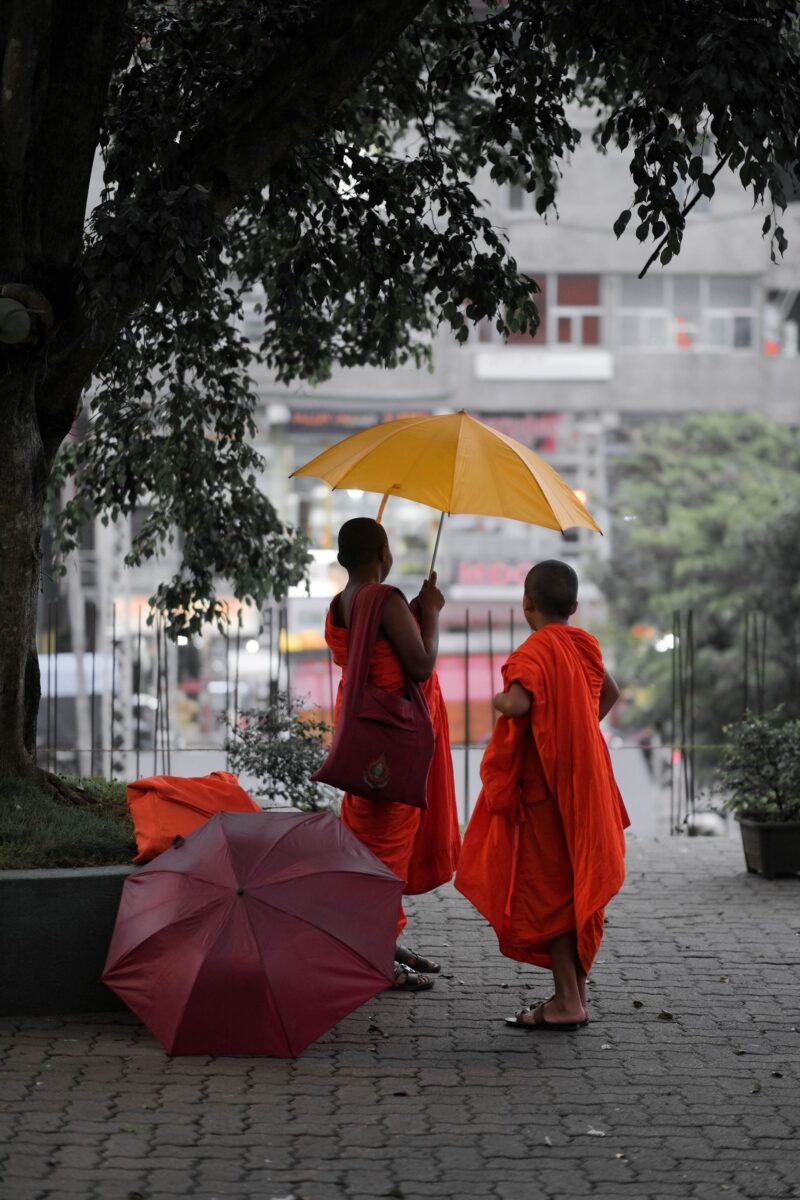
As I mentioned above, there is little in Haputale and Bandarawela themselves to detain you: both towns comprise a few streets packed with cafes, shops and markets but there are a few religious landmarks in Bandarawela that are worth stopping by. Most notable are the pristine Buddhist Temple where young monks mill around in their orange robes and the Church of Ascension, a pretty stone church that dates back to 1908. The only building of similar note in Haputale is St. Andrews, a simple, neo-gothic church dating back to the town’s Victorian past with a quaint cemetery full of memorials to Ceylon’s former tea planters.
The best way to see what the area really has to offer is to don your hiking books and head into the hills outside of town.

Dambatenne Tea Factory
Of all the cultural and commercial exports that Sri Lanka has given to the world, it is tea that is synonymous with the island. The plant was first introduced to Sri Lanka commercially by Scottish-born James Taylor in in 1967 when he purchased a nineteen-acre plot of land near Kandy. The tea trade soon took off with hundreds of speculators and colonial planters clearing huge areas of land to cultivate Ceylon’s green gold.
However, it was another Scot, James Lipton, that really put Ceylon tea on the map. In 1890 when stopping off on the island en-route to Australia, he bought up 5 bankrupt tea plantations in order to cut out the middleman in his thriving tea-selling business. Before long, Lipton owned the world’s most successful tea empire.

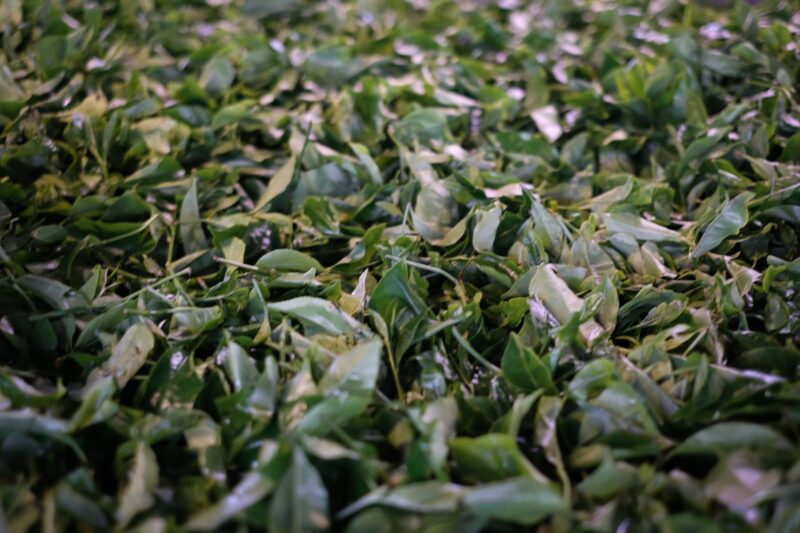
Of all his plantations, Dambatenne was Lipton’s favourite. The factory can still be found between Haputale and Bandarawela, equidistant from both. While many of the tea factories around Sri Lanka have modernised, the slightly dishevelled Dambatenne site still produces tea much the same as it did when it was first built in 1890, with much of the old machinery and process remaining unchanged for 130 years. Tours are available, however, there is no tea for sale on-site and if you want to see the whole factory in operation, it is best to arrive before noon.
When: Daily 8am – 6pm
Cost: Tours are Rs.250 per person

Climb Lipton's Seat
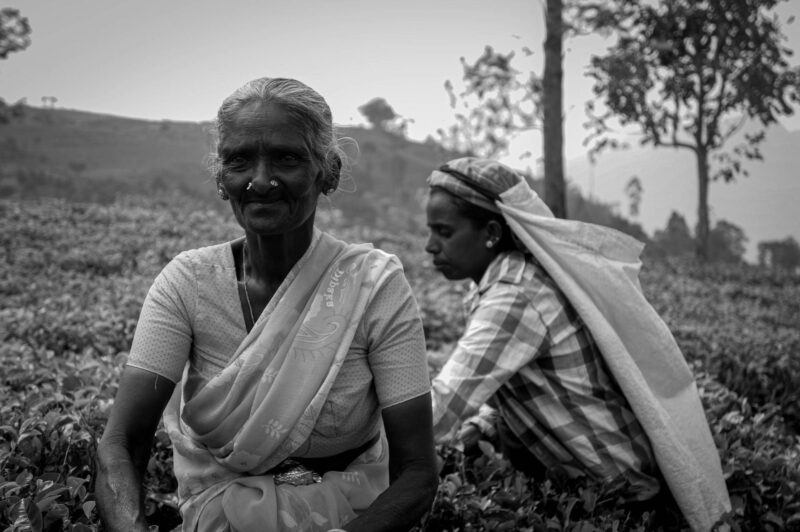
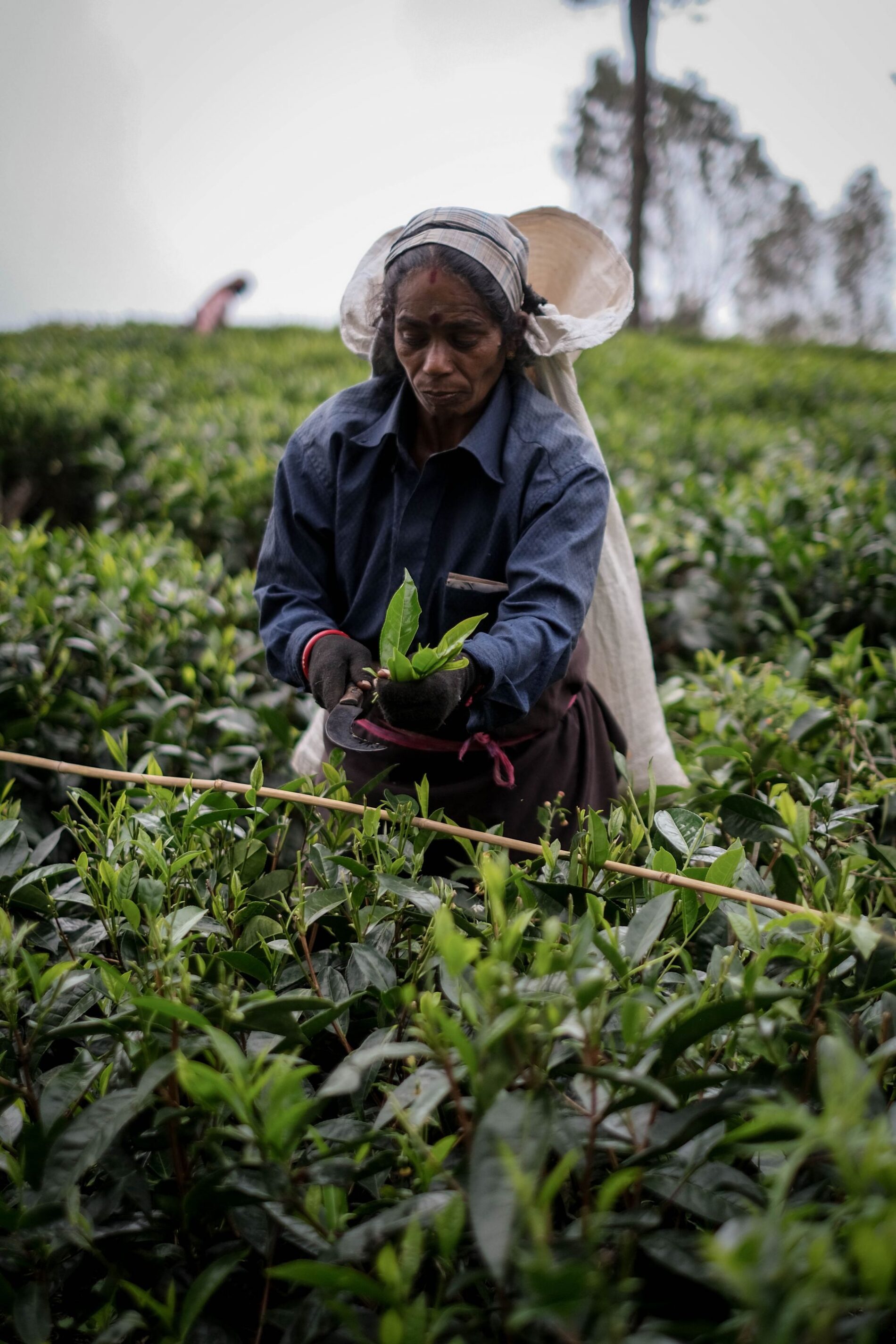
Lipton’s seat, perched high above Dambatenne and named after its owner, is one of the finest viewpoints in all of Sri Lanka, so much so that Sir Thomas Lipton often came up here to admire the scenery, often bringing business associates so he could wow them with the splendour of his plantation. The winding road up from Damatenne leads you through hillocks of perfectly manicured tea plantations where tamil women in colourful saris work their way up the slopes with hessian sacks on their back filled with carefully picked leaves.


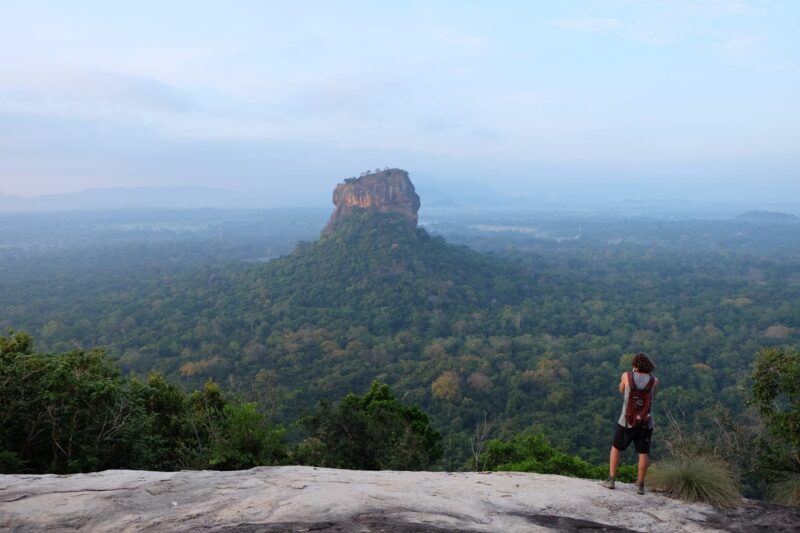
It’s around 7km by curving hillside roads from the factory to Lipton’s seat, although rather than trekking around wide hairpins, it’s possible to speed up the journey by taking short cuts up stone steps that are hidden between the rows of tea bushes. Gradually, as you get higher, the views become more expansive until you reach the highpoint at the statue of Thomas Lipton at the hill’s summit where the 360-degree vista of the surrounding countryside stretches all the way to the coast on a clear day.
Allow yourself around 2 hours to complete the hike, although, as mist and clouds can obstruct the view on most afternoons, I would recommend reaching the summit early morning. Even if you don’t fancy the uphill slog, you can reach the Seat by tuk tuk for a few hundred rupees and enjoy a leisurely walk back to Dambatelle.


Adisham
A slice of little England in the heart of the Sri Lankan countryside, the colonial mansion of Adisham was built by Sir Thomas Villiers and named after the Kent village where his father was chaplain. After arriving in Ceylon destitute, Villiers began working as a clerk at Elbedde tea plantation in Bogawantalawa before earning enough capital to purchase the Dickoya tea plantation. It is here that he constructed his imposing, Tudor-style manor house in 1931.
The Roman Catholic Church purchased the property in 1961 and converted it to a Bendectine abbey where a small group of Black Monks belonging to the Sylvetrines suborder have lived ever since. Only the sitting room and library are open to visitors but the monastry runs an onsite shop selling home-made preserves and the well-manicured gardens are particularly popular with locals.
Where: Welimada Road, 3km West of Haputale
When: Saturday & Sunday 8am – 1pm or 2pm – 4pm
Take the One of the World's Most Scenic Train Rides
First constructed by the British in the mid-19th century as a way to transport the produce of the regions bountiful tea plantations, the line that weaves its way through the lush hill country from Ella, Haputale, and Bandarawela to the quaint, English-country-styled town of Nuwara Eliya and onwards to the nations cultural capital of Kandy is said to be one of the most beautiful train journeys in the world.

The trip to Nanu Oya, near Nuwara Eliya, takes anywhere between 3 and 4 hours, stopping off at all manner of delightful hill country towns and railway stations along the way. At each destination, locals scurry out onto the platform only to be replaced by a new influx of passengers, joined by men that squeeze their way down the packed carriages with baskets of fruit, freshly cooked rotis and urns of steaming Sri Lankan tea that they sell for just a few rupees.
A few intrepid passengers sit in the open doorways, their dangling legs swaying with the carriage’s motion and their heels beating against the train’s metal body, only pulling them inside to avoid battered railway signs or approaching tunnels. As you look from the windows at the countryside unfurling before you like lush green blanket tumbling across hills and valleys, speckled with plantation houses, tea fields and lanky, lurching palms, it’s easy to see why people hold this route in such high regard. Occasionally the scenery gives way to villages and hamlets where local life is in full swing: children running and laughing on the side of the rails, farmers tending to their fields and women preparing their washing. Eventually they fade into view, once again being replaced with waterfalls and mountains.
This is quintessential Sri Lankan experience and, in a world where hyperbole seems so commonplace, one that actually lives up to the hype. I’m in no doubt that this may be the most beautiful train journey in the world.
Give Back by Taking Part in the Region's Tree Planting Program
With both responsible travel and carbon offsetting currently the zeitgeist for ethically conscious travellers, tree-planting campaigns are on the rise throughout the world. Tree’s and vegetation are such important life-givers: They reduce soil erosion and flood risk, provide vital habitat, improve air quality by absorbing carbon dioxide from the atmosphere, storing it in their trunks, branches and roots, before releasing oxygen back into the air. Trees help to mitigate climate change and tree planting is an important tool in battling the ongoing climate crisis. Sri Lanka is no stranger to the climate emergency. In Uva province, soil erosion is a major issue and warming has led to an increase in fires destroying natural habitat.
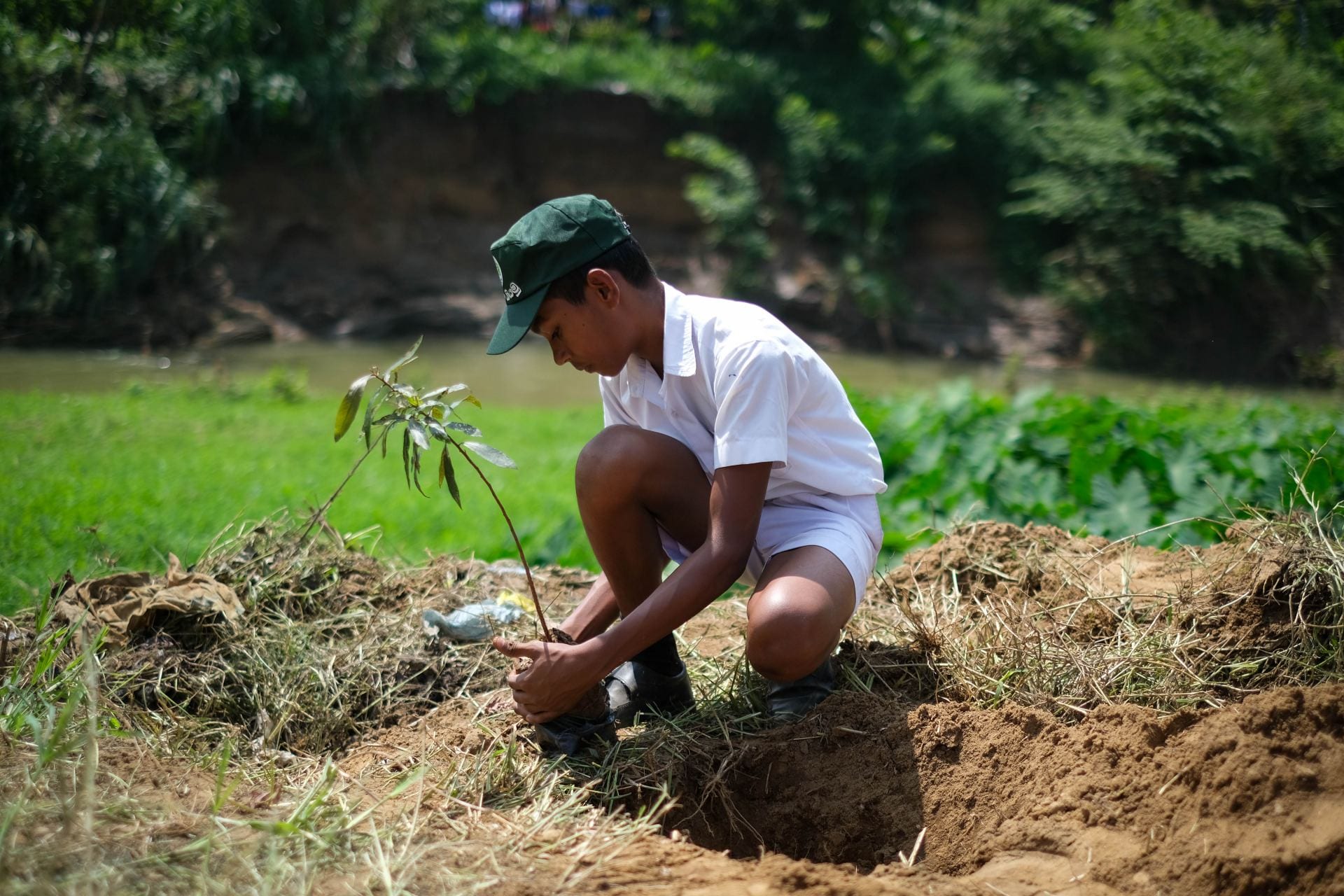
I am very much of the mindset that travel is about reciprocity, it’s an exchange: People are welcoming you to their country and ideally, you should be able to offer something in return. During my stay in Bandarawela, I was lucky enough to take part in the inaugural tree planting initiative on Alugolla Hill – an area particularly susceptible to soil erosion and landslides – where, together with local government officials, military personnel, school children and the Badulla Buddhist Society, we set about planting 200 trees over the course of a morning.
The tree-planting project is hoping to increase their activities and plant over 1000 trees within selected areas in Badulla. If you would like to take part in this project or a similar one in a different region, get in touch with the Sri Lanka Tourism who will be more than happy to help facilitate you.
Where to Eat & Drink in Bandarawela
Like with hotel choices in Bandarawela, good restaurants are also a little hard to come by. The town mostly comprises of a mishmash of shops and cafes, but the town’s supermarket has a great selection if you are looking to cook for yourself and the small fruit and vegetable market opposite the bus station gives you the chance to haggle with the loquacious locals. There are a good number of tiny booths along Badulla Road stacked high with delicious roti and samosas that you can buy for as little as 10 Rs (just 4p) each.
The best place for a sit-down meal in town is probably Gami Gedara Restaurant, a ramshackle little place on the top floor of a block of shops on the eastern end of Badulla Road. The food is served as a buffet but they have a delicious array of typical Sri Lankan curries, sides and grilled fish.
Alternatively, the atmospheric dining room at the Bandarawela Hotel (dinner served between 7.30pm and 10pm) harks back to a by-gone time of pristine white table clothes and fussy service that is a perfectly charming place to wind down after a day of hiking. The food is usually a 3-course set menu with a choice of Sri Lankan and Western dishes. It’s also worth popping into the hotels small but quirky bar.


Getting In & Out
Haputale is part of the main railway line that snakes its way through Sri Lanka’s hill country, halfway between Nanu Oya (Nuwara Eliya) and Badulla. Trains from Nanu Oya can get fairly busy, but heading the other direction to Kandy or Colombo, you should have no issue booking a 2nd or 3rd class ticket on the day. Buses leave from the centre of town – although there is no actual bus station – leaving for Colombo (every 30 mins; 6 and a half hours), Badulla (hourly; 1 and a half hours), and Bandarawela (every 20 mins; 30 minute trip).
Bandarawela is also on the main hill country railway line, half way between Ella and Haputale, making travel to and from these destinations very easy. Otherwise, you can catch a bus from the bus station on the east side of the town, travelling to destinatons such as Kandy (8 daily; 4 hours), Nuwara Eliya (6 daily; 1 hour 45), Ella (every 10 mins; 30 minute ride), and Colombo (every 30 mins; 7 hours).

I visited Bandarawela as a guest of Sri Lanka Tourism, however, all views are my own.