What comes to mind when you think of Polish cuisine? There’s no doubt that your mind is picturing plates piled high with pierogi or kielbasa, and while you would be correct, the nation’s tables have so much more to offer than simply dumplings and sausage.
This is particularly true in Kraków, a city known for its cobbled streets, medieval charm, and stunning architecture. However, this isn’t just a destination for history buffs; it’s also a food lover’s paradise. The city’s history does play an enormous part in the dishes you will find here. Kraków’s culinary scene is a rich tapestry woven from centuries of cultural exchange, with influences from neighboring countries and distant empires shaping its diverse food offerings.


As one of Poland’s oldest and most culturally significant cities, Kraków has long been a crossroads for trade and migration. Austrian, Hungarian, and Jewish flavors have left their mark – just think of the hearty, paprika-spiced dishes reminiscent of Hungary, or the traditional Jewish delicacies like kreplach (dumplings) and cholent (slow-cooked stew) or breaded meat cutlets more commonly found in Austria.
The city’s proximity to the Tatra Mountains also brings a distinct mountain cuisine influence, evident in dishes like oscypek, a smoky sheep’s cheese. Meanwhile, Italian and French culinary traditions from the late 19th and early 20th centuries have influenced local pastries and desserts, making places like Kraków’s Café Camelot a haven for lovers of European café culture. This melting pot of flavors, combined with a strong Polish foundation, gives Kraków its unique, eclectic food scene, where every bite is a fusion of history and tradition.
Must-try Dishes in Krakow
If there’s one thing you’ll never be in Kraków, it’s hungry. This city knows how to feed you, and feed you well. From crisp potato pancakes to dumplings stuffed with just about everything, Kraków’s food scene is a glorious mix of comfort, tradition, and way too many carbs. Whether you’re digging into a chunk of pork knuckle in a basement bar or squeezing into a no-frills milk bar for a plate of pierogi that costs less than your coffee, here are my suggestions of what to eat, where to find it, and why you’ll be dreaming about it long after you’ve left Poland.
Obwarzanek Krakowski
No walk through Kraków’s historic streets is complete without one hand holding a camera and the other wrapped around a warm, golden obwarzanek, the city’s beloved braided bread ring.
Crispy on the outside, soft and chewy within, usually sprinkled with poppy seeds, sesame, or coarse salt, this unassuming snack is a symbol of Kraków’s culinary identity. Sold fresh from the iconic, blue rolling street carts, the obwarzanek is Kraków’s answer to the bagel, with centuries of history baked right in.

In fact, the obwarzanek krakowski predates the modern bagel by several centuries and is considered one of its likely ancestors. This snack has fueled Kraków locals since at least 1394 when it was mentioned in royal court records; It was a Lenten favorite of Polish royalty and, later, a staple of everyday life. The name comes from obwarzać, which means “to parboil,” a key step that gives it that glossy, chewy exterior.
By the 17th century, Jewish communities in Kraków and throughout Poland began adapting the obwarzanek into what would become the bagel, simplifying the shape into a smooth, round ring and adjusting the recipe slightly. These early bagels were often given as gifts to women in childbirth and eventually became a popular daily bread in Jewish homes.


When Eastern European Jewish immigrants brought their baking traditions to the United States in the late 19th and early 20th centuries, the bagel evolved again, this time into the iconic New York-style bagel we know today, typically denser, smaller, and more uniform than its Kraków cousin. One stayed home in Poland, the other became well-known worldwide, however, the shared history of the bagel and obwarzanek is a testament to how culture travels, transforms, and takes root in new lands.
In 2010, it was granted Protected Geographical Indication (PGI) status by the EU, meaning only obwarzanki made in a select few bakeries in Kraków and a few nearby towns can legally bear the name. It’s not just bread, it’s a piece of Kraków’s soul, sold fresh and warm every morning from street carts across the city.
Where to try Obwarzanek Krakowski in Krakow
- Everywhere, really. Keep an eye out for the ubiquitous wheeled carts dotted around Main Market Square (Rynek Główny), Planty Park, and the streets of Kazimierz.
Pro Tip: The earlier in the day, the fresher the obwarzanek. Make sure to grab one warm from a cart first thing in the morning so that you can enjoy its warm, doughy goodness as you stroll through Rynek Główny.
For a deeper dive into this beloved snack, visit the Obwarzanek Museum (Muzeum Obwarzanka), where you can learn the history, watch the baking process, and even try braiding your own.
Zapiekanka
Many people refer to Zapiekanka as Poland’s answer to pizza, but that is fairly reductive for a legendary, gloriously gooey creation that straddles the line between comfort food and street-food staple. Built on a halved baguette (I’m told that slightly stale bread is best) and typically topped with sautéed mushrooms, stringy melted cheese, a generous zigzag of ketchup and mountains of chopped chives, the zapiekanka is then toasted until golden and bubbling. Simple? Yes. Delicious? Absolutely. And in Kraków, this nostalgic snack has become a beloved late-night snack.

The dish first gained popularity in the 1970s, during the Polish People’s Republic, when food options were limited and innovation was born out of necessity. Zapiekanka was cheap, filling, and easy to make, qualities that made it a hit in milk bars, school canteens, and homes across the country. Over time, it evolved from a humble necessity into a cult classic, and today, you’ll find versions topped with everything from salami and olives to jalapeños and creamy garlic sauce.
Nowhere is zapiekanka more iconic than at Plac Nowy in Kazimierz, Kraków’s historic Jewish district. The rotunda at the center of the square, affectionately known as “the Okrąglak,” is surrounded by small kiosks churning out zapiekanki to hungry crowds day and night. In the early hours of the morning, when drunk patrons spill out of Kazimierz bars, this is the place to go to line your stomach.
Standouts include Endzior, widely regarded as Kraków’s zapiekanka king, known for crispy baguettes, generous toppings, and a perfect ketchup swirl. Whether you’re exploring Kraków by day or wrapping up a night out, a zapiekanka in Kazimierz is a rite of passage—and a satisfyingly messy way to eat like a local.
Pierogi
If there’s one food that most people think of in relation to Poland, it’s pierogi. These little dumplings, basically bundles of pure joy, are so beloved that they are a national icon.
However, Poland’s most iconic dish may also be its most humble. At first glance, pierogi may not look like much; simple, crescent-shaped dumplings, folded by hand and filled with modest ingredients. However, take a bite and you’ll understand why these pillowy pockets are practically a national obsession. They come with an array of fillings; whether stuffed with creamy potato and cheese (pierogi ruskie), rich meats, tangy sauerkraut and mushroom, or even seasonal fruits like wild blueberries for a sweet treat. These are then boiled, fried, or baked and topped with everything from fried onions and bacon chunks to lashings of sour cream.

The roots of pierogi run deep, dating back to at least the 13th century. You’ll find similar dumplings in many cultures, particularly eastern Asia, but Poland has made pierogi its own. They were once reserved for feasts and holidays, often served in abundance at Christmas Eve dinners, weddings, and other family gatherings.
Although you can find them on the menu in most Polish restaurants around Krakow, this hasn’t changed much; Before visiting Krakow, I had assumed pierogi were eaten almost constantly, but I’m informed that, due to the time and effort it takes to fill and fold the dough, they’re generally reserved for special occasions, with most people only making them a few times a year.
Where to Try Pierogi in Krakow
- Mirror Bistro – This modern bistro puts a refined spin on pierogi, with a huge selection of both meat-filled and vegetarian dumplings; From classic Ukrainian and Krakow style to more intriguing options like Mexican chicken and Greek greens.Perfect for those looking to sample twists on the classic recipes.
- Pierogi Mr Vincent – A quirky, artsy little joint with a cult following, Mr Vincent’s serves up some of the tastiest pierogi in town, from time-tested classics to bold new flavors.
Żurek (Sour Rye Soup)
There are few dishes more deeply rooted in Polish culinary tradition than żurek. This hearty, slightly sour rye soup is a staple across the country, but particularly in southern cities like Kraków, where it’s served steaming hot, often inside a crusty bread bowl. Made from a fermented rye flour starter called zakwas, żurek has a uniquely tangy flavor that sets it apart from other European soups. It’s rustic, comforting, and robust, and usually enriched with slices of smoked sausage (kiełbasa), boiled eggs, and chunks of potato or bacon.


Żurek’s roots run deep, stretching back to medieval times when fermentation was one of the key methods of preserving food and enhancing flavor. Originally considered peasant fare, the soup’s sour base made it perfect for frugal cooking, allowing households to transform a few simple ingredients into something hearty and sustaining. Over time, it evolved into a national favorite, often served at Easter but enjoyed year-round in homes and restaurants alike.
Where to eat Żurek in Krakow
- Kuchnia u Doroty – Renowned for its traditional Polish fare, this restaurant offers a good selection of soups, including a flavorful version of żurek, complete with kielbasa, bacon, and a boiled egg. Located in the historic Kazimierz district, it provides a cozy atmosphere that complements its hearty dishes.
Bigos (Hunter’s Stew)
A rich and savory stew, bigos is a classic Polish dish made from a combination of sauerkraut, fresh cabbage, and a variety of meats – usually pork, beef, and sausage – slow-cooked to perfection. The dish is often enhanced with wild mushrooms, a dash of red wine or vodka, and spices like bay leaves and marjoram, creating a comforting, deeply flavorful meal.
Originally a dish of hunters and nobility in medieval Poland, bigos was a practical way to preserve meats during the long winters, with fermented cabbage serving as a key preservative. Over the centuries, bigos evolved into a festive dish, often served at feasts and celebratory gatherings, and remains a cornerstone of Polish cuisine today.
Borscht
A vivid beetroot soup with a distinctive sweet-sour flavor, Polish Borscht, known here as barszcz, is one of Poland’s most beloved traditional dishes. Light yet deeply flavorful, it’s seasoned with garlic, marjoram, and bay leaf, and served in several variations, from watery and light broths to heartier, rustic bowls.

Though today synonymous with beetroot, barszcz’s origins lie in a much older tradition. In the Middle Ages, it was a sour soup made from fermented wild herbs. Beets didn’t enter the mix until the Renaissance, when they began to take root in Polish soil and kitchens. The result was the version known and loved today: a vibrant broth, both sweet and tart, capable of being delicate or hearty. barszcz offers warmth that goes beyond the literal.
Where to Eat Barszcz in Krakow
- Mirror Bistro – Although Mirror Bistro’s menu focusses primarily on Pierogi, thi eatery offers a selection of soups, including a classic barszcz with egg and a festive variant with uszka dumplings.
Placki Ziemniaczane (Potato Pancakes)
Crispy, golden, and deeply satisfying, placki ziemniaczane are a quintessential Polish comfort food. These delicious potato fritters are not too far from a flat hash brown; made from freshly grated potatoes, onions, and seasoning, the pancakes are pan-fried to a crispy, golden-brown finish. Served with sour cream or applesauce, they are a comforting and versatile dish, often enjoyed as a snack or main course.

Where to Eat Placki Ziemniaczane in Kraków
- U Babci Maliny – This cosy eatery near the Main Market Square serves traditional, crispy placki ziemniaczane topped with sour cream and applesauce, offering a taste of classic Polish home cooking.
- Pod Wawelem – A charming spot near Wawel Castle, where placki are served with savory goulash or mushroom sauce, making for a satisfying and hearty meal.
- Bar Mleczny Targowy – For an authentic, no-frills experience, head to this historic milk bar in Kazimierz, where you can enjoy generous portions of crispy potato pancakes with classic Polish toppings.
Śledź (Pickled Herring)
Spend any time wandering around Krakow at night and you will notice that there is a clear abundance of 24-hour shot and snack bars aiming to attract late-night revellers or satiate the hunger of drinkers. It’s a very Polish phenomenon and a relatively recent one.
Known locally as ‘Zakąski Przekąski’ (literally ‘Appetisers & Snacks’), or by some as ‘Polish Tapas’, these bars serve small plates of simple appetisers at low prices. Plates typically start at around 15 PLN, and drinks are even cheaper. You can get shots of vodka or a glass of beer for less than 10 PLN.
Although these places are often stylised, sometimes even relatively cool and trendy, they play on communist nostalgia, when places served similar low-cost bar food. You will typically find a menu of śledź (pickled herring in oil), galaretka, kiełbasa, pierogi, pickles and tartar.


One standout in the world of zakąski is śledź, or pickled herring. A quintessential Polish tapas dish, pickled herring is often served in a tangy marinade with onions, mustard, or sour cream. Its bold, briny flavor is a classic accompaniment to drinks, providing a sharp contrast to the richness of vodka or the bitterness of beer.
I found that it was usually served in fillets, sometimes coiled and pierced by a cocktail stick. Other times, it was served chopped and covered in a variety of dressings, such as curry, beetroot and sweet mango. A word of warning (from experience) – Don’t consume too much fermented fish snacks, or no amount of brushing your teeth will remove the taste for days to come.
Where to Try Pickled Herring in Krakow
- Ambasada Śledzia (The Herring Embassy) – A cult favorite among locals and students, The Herring Embassy (named for its proximity to, you guessed it, Krakow’s embassies), this is a little more stylish than most vodka bars found in the city and offers a wide variety of herring served in different styles. My advice is to order a sharing platter so that you can taste them all.
- Wódka i Zakąska – Just off the Main Market Square, this cozy venue brings back the spirit of pre-war Poland, where vodka was always accompanied by a bite to eat. The menu features classic pickled herring, rye bread, and tangy garnishes—ideal for grazing while you sip.
Pączki
Pączki, Poland’s beloved doughnuts, are far more than just a sweet treat. While most people picture doughy rings when they think of doughnuts, these are round, golden pastries that are typically filled with rose jam, plum preserves, or custard and dusted with powdered sugar.
The history of pączki dates back to the Middle Ages, when they were originally made with leftover scraps of dough, fried in lard, and sweetened with honey. Over the centuries, their recipe has evolved, and today, they are synonymous with indulgence, particularly during Fat Thursday (Tłusty Czwartek), the day before the beginning of Lent, when Poles indulge in as many pączki as possible before the fasting period begins.
Where to Eat Pączki in Krakow
- Krakowskie Wypieki – Known for its traditional approach to Polish sweets, this bakery chain offers pączki filled with both rose jam and more contemporary fillings like chocolate or cream. It’s a great spot to sample different variations of this beloved pastry.
- Cukiernia u Vincenta – A charming, historic confectionery in the heart of the Old Town, serving pączki alongside a selection of other Polish desserts. Their pączki are well-loved for their fluffy texture and generous fillings, which include coconut, passion fruit, and salted caramel varieties.
Kotlet Schabowy (Polish Pork Cutlet)
A true icon of Polish cuisine, kotlet schabowy is a tender pork loin, pounded thin, then breaded and fried until golden and crisp. Similar to the Austrian schnitzel but rooted firmly in Polish tradition, it’s typically served with mashed potatoes, sauerkraut, or a cooling cucumber salad known as mizeria.

First appearing in Polish cookbooks in the 19th century, kotlet schabowy likely emerged as a local adaptation of the Austrian Wiener schnitzel during the time that Kraków was part of the Austro-Hungarian era. It quickly became a Sunday staple in homes across the country.
Where to Eat Kotlet Schabowy in Krakow
- Kluska na Placu – Located in the heart of the old town, this restaurant serves an elevated take on bone-in schabowy with thoughtful presentation and refined sides, without losing the nostalgic heart of the dish.
Tatar
A simple classic, I found Polish tatar – the local version of steak tartare – as a starter on most menus across the city, from elegant dining rooms to cheap and cheerful milk bars. Made from finely chopped raw beef tenderloin, traditionally served with onion, pickles, a touch of mustard, horseradish and topped with a raw egg yolk.

It’s commonly associated with the culinary traditions of the Polish nobility and hunters’ tables, with some people believing that its origins were influenced by Eastern steppe warriors, like the Tatars, who supposedly tenderized the meat under their saddles (though this is likely more myth than fact). Regardless of its exact origins, tatar has remained a popular dish in Polish cuisine and one that is easy to come by in Kraków.
Where to Eat Tatar in Krakow
- Pod Aniołami – In a 13th-century cellar near Wawel, this classic restaurant offers a smoked salmon tatar, served with rye bread and all the trimmings. Rich, hearty, and full of old-world atmosphere.
- Szara Gęś – For a modern take in a refined setting, this upscale spot on the Main Square serves elegant variations of tatar – both a trout and steak variety topped with Hungarian paprika syrup and trout roe.
- Zakładka Bistro de Cracovie – Located just across the Vistula from Wawel Castle, this French-Polish fusion restaurant serves a tatar (strangely listed on the menu as ‘Beef Tatar as trendy as ever’) that’s delicate and flavorful, elevated with shallots, capers, and potato chips.
Oscypek
Oscypek is a spindle-shaped cheese made from salted sheep’s milk, sometimes mixed with cow’s milk, then smoked over a wood fire. Firm in texture, it has a bold, salty flavor and a deep, earthy aroma that speaks of alpine pastures and open fires.
It’s a traditional cheese of the Górale, the highland shepherds of southern Poland’s Tatra Mountains. Crafted between May and September when sheep graze on mountain herbs, each piece is hand-formed in wooden molds passed down through generations. In 2007, it earned Protected Designation of Origin (PDO) status, meaning authentic oscypek can only be produced in specific areas near Zakopane, but Kraków isn’t far away and restaurants throughout the city offer easy access to this regional treasure.
Where to Try Oscypek in Krakow
- Stary Kleparz Market – A traditional market just north of the Old Town, where you can sample oscypek directly from producers. Look for the signature spindle shape and firm, smoky texture.
- Pod Wawelem – A lively traditional Polish restaurant near Wawel Castle offering grilled oscypek as a starter with bread and jam.
Don’t miss: For the ultimate pączki experience, visit Kraków on Fat Thursday when queues form outside of bakeries from the early hours of the morning and Poles aim to consume as many of these doughnuts as they can. However, this delightful pastry isn’t just a seasonal treat. They can be found in Kraków bakeries year-round. It’s a part of everyday life in the city, enjoyed by locals and visitors alike as a morning snack or afternoon indulgence with coffee.
Papieska kremowka
At first glance, papieska kremówka, or the Papal Cream Cake, is a relatively simple dessert: two golden layers of delicate puff pastry sandwiching a thick, silky filling of custard or whipped cream, finished with a whisper of powdered sugar. However, this flaky indulgence has a legendary story that captured the heart of a nation.
In 1999, during a nostalgic return to his hometown of Wadowice, Pope John Paul II shared a sweet memory with the crowd gathered in the town square. After completing his final exams as a young man, he and his friends celebrated at the local pastry shop, Cukiernia Wadowice, by seeing who could eat the most kremówki. “I had eighteen,” he joked, instantly elevating the treat to near-mythical status. Overnight, the ordinary cream cake became known throughout Poland as papieska kremówka, or the Pope’s cream cake.
Though the original version, which is known more generally as kremówka or napoleonka (Napoleon cake) depending on the region, was likely a classic, alcohol-free custard slice, today’s kremówkas come in many forms: some with airy whipped cream, others with buttery custard laced with a hint of liqueur.

In Kraków, several cafés and bakeries pay quiet homage to this sweet legacy, but I opted to sample it at Cukiernia Wadowice. It’s a basic cake shop, a little kitsch with 90s-style decor, but this cafe is a Krakow outpost of the shop where most people assume that the pope had the cake. It was delicious; Delicate and slightly crisp on the outside, soft and creamy within. While I don’t think I could have beaten John Paul II’s record of 18 in one sitting, I definitely could have inhaled more than one of them.
Where to try it in Kraków:
- Cukiernia Wadowice – This Kraków outpost of the Wadowice original serves a faithful rendition of the cake the Pope loved.
- Nowa Prowincja – A cozy café near the Main Market Square with excellent homemade desserts and literary flair.
- Café Camelot – Romantic and eclectic, this Old Town favorite offers a rotating menu of cakes, kremówka included.
- Kawiarnia Europejska – Classic, elegant, and perfectly located for dessert with a view.
Kiełbasa krakowska
Deeply rooted in Kraków’s history, kiełbasa krakowska is a traditional Polish sausage made from select cuts of lean pork, seasoned with garlic, salt, pepper, coriander, and allspice. The sausage is then smoked over hardwood and air-dried, resulting in a firm texture and subtly smoky, garlicky flavor.
Kiełbasa krakowska’s origins trace back to the medieval markets of Kraków, where local butchers perfected methods of meat preservation. As Kraków grew, so did the popularity of this iconic sausage, and it became a staple at royal tables and festive gatherings.
It’s typically sliced thick and served cold, though it can also be grilled and used in sandwiches, simply served with mustard and crusty bread, or as I sampled it, dished up with a mountain of mashed potato and fried onions. Recognized as a Traditional Speciality Guaranteed (TSG) product in the European Union, this sausage has been crafted by Kraków’s butchers for centuries and remains a beloved part of the city’s culinary identity.
Where to Try Kiełbasa Krakowska in Kraków
- Stary Kleparz Market – In Kraków’s oldest market, you’ll find local butchers offering freshly made kiełbasa krakowska.
- Polish Delis such as Tarczyński or Madej Wróbel – For a taste to take home, visit one of Kraków’s top charcuteries, where you can purchase high-quality, vacuum-packed kiełbasa krakowska to enjoy later or bring as a flavorful souvenir.
- Kiełbaski z Niebieskiej Nyski – This popular Kraków street food stand has become a local institution. Dishing out kiełbaski from a charming blue van (a vintage Nysa minibus), this iconic spot serves up delicious sausages that are often paired with a variety of toppings like mustard, onions, and sauerkraut.
Gołąbki (Stuffed Cabbage Rolls)
Don’t be fooled by the name; gołąbki (pronounced go-WOHMP-kee, singular: gołąbek), which translates to ‘little pigeons,’ don’t contain poultry or birds of any kind. Instead, these beloved cabbage rolls wrap together a mixture of minced pork or beef, rice, and sautéed onions in tender boiled cabbage leaves, then simmered slowly in a tangy tomato sauce or creamy mushroom gravy.


The origin of the name is unclear, but it’s thought to either refer to the shape of the rolls or possibly derive from a time when pigeon meat was more commonly used in European cuisine.
What is known is that the recipe is rooted in centuries of Eastern European tradition, with gołąbki sharing ancestry with the stuffed dishes found from the Balkans to the Middle East; a remnant of the Ottoman culinary influence that spread across the region.
Where to Try Gołąbki in Krakow
- Gościnna Chata – Serving cuisine of the Lemko people, an ethnic group with roots in the Carpathian Mountains of southeastern Poland, as well as parts of Ukraine and Slovakia, Gościnna Chata is a charming and cosy restaurant with a menu featuring an array of traditional dishes, from pierogi to gołąbki.
Smalec
Spreading lard onto bread for consumption ma,y seem like a fast-track to some kind of major cardiac event, but that’s exactly what I did while in Krakow, and I enjoyed it.
While my association with lard is entirely limited to my nan’s excessive use of the stuff in her kitchen during the 90s for my weekly plate of fish fingers and chips, the Poles still use it in all manner of dishes, and smalec is possibly the simplest and most artery-clogging example.
It’s a traditional Polish spread made from rendered pork fat and is often served as an appetiser or snack. It’s been a staple of Polish kitchens for centuries, originally used as a method of preserving pork fat and ensuring a steady source of calories during harsh winters. Over time, it evolved into a beloved comfort food, enjoyed not just for its flavor but for its connection to Poland’s rural traditions.
The preparation of smalec is simple yet flavorful. Pork fat is slowly rendered with onions, garlic, and sometimes apple or spices such as juniper berries or marjoram. The result is a rich, creamy paste that pairs beautifully with crusty bread, pickles, and particularly, a cold glass of Polish lager (this was obviously what I opted for). In my opinion, it kind of tastes like pork scratchings, just in a much less solid form.
In Kraków, this hearty delicacy is often served at local bars or traditional Polish eateries, where it’s accompanied by a plate of fresh pickled vegetables and enjoyed as part of a larger meal or as a snack.
Where to Try Smalec in Krakow
- A Bar Mleczny (Milk Bar) – For a more budget-friendly, authentic experience, head to one of Kraków’s milk bars (such as Milkbar Tomasza or Krakus), where smalec is often served as a traditional starter. These government-subsidized eateries, originally created to serve workers during the Communist period, offer classic Polish dishes at affordable prices, and their smalec is always homemade.
What to Drink in Krakow
One thing I learned from eating my way around Krakow is that many of these dishes are perfectly paired with an alcoholic beverage or an evening of drinking. Vodka may be xthe spirit that people most closely associate with Poland, but there it has a lot more to offer; from the fruity notes of homemade nalewka to glasses of refreshing kompot after a day of sightseeing, froma pint of local craft beer at one of the city’s many hip brewpub to savoring the timeless tradition of Żubrówk,, each drink offers a taste of Poland’s unique heritage and vibrant social scene. Here’s your guide to the best beverages to explore in this fascinating city.
Wódka
To truly understand Poland is, in part, to understand its vodka. More than just a drink, vodka (wódka) is woven into the cultural, historical, and even spiritual fabric of the country. It’s raised in toasts at weddings, served in shots during family celebrations, and sipped slowly during long, laughter-filled meals. For Poles, vodka is not simply a beverage, it’s a symbol of hospitality.
Poland is one of the world’s oldest vodka producers, with records dating back to the early 15th century, when the spirit was originally used for medicinal purposes. Over time, it evolved into the clear, potent drink we know today. Unlike the mass-produced varieties often found abroad, traditional Polish vodkas are distilled with great care, often from rye, wheat, or potatoes, and can be surprisingly nuanced. Some are silky and smooth; others are peppery, complex, or faintly sweet.

In Kraków, vodka appreciation becomes an experience in its own right. The city’s compact Old Town and atmospheric Kazimierz district are dotted with vodka bars, each offering a curated glimpse into Poland’s rich variety of flavoured vodkas. Try a cherry wiśniówka or a honeyed krupnik – even a spicy shot laced with raspberry and tobasco, known as wściekły pies (‘rabid dog’ or ‘mad dog’) if you’re brave enough – and you’ll quickly understand their appeal.
Where to Try Vodka in Krakow
- Wódki i Piwa – With multiple branches across the city, this bar chain provides a retro, Communist-era themed atmosphere where you can enjoy a huge variety of traditional Polish vodkas and beers at incredibly cheap prices.
Kompot
Kompot is a homemade Polish fruit drink that has been served at family tables for generations. Made by simmering seasonal fruits like cherries, apples, plums, or rhubarb with sugar and spices, this gently flavored beverage can be served warm or cold, depending on the season.
Historically, it offered a simple and additional way to preserve excess seasonal fruit and create a naturally flavored drink without waste. Unlike fruit juice, kompot isn’t pressed; it’s slow-cooked, lightly sweetened, and often laced with notes of cinnamon, clove, or lemon peel, giving something similar to an overly diluted fruit cordial
Where to Try Kompot in Krakow
- Kuchnia u Doroty – The first place I sampled a glass of kompot in Krakow, this cosy restaurant is A beloved spot for home-style Polish cooking, serving classic kompot alongside traditional mains like pierogi and gołąbki.
- Bar Mleczny Polakowski – One of Kraków’s iconic milk bars, Polakowski offers cherry or apple kompot in generous glasses – perfect for pairing with a hearty lunch of Polish staples at budget-friendly prices.
- Restauracja Morskie Oko – For a rustic, mountain-inspired twist, this folk-style restaurant serves seasonal versions of kompot, often spiced and served warm in winter – ideal after a chilly stroll through the Old Town.
Piwo
Beer has been part of Kraków’s story for centuries, long before the city became one of Europe’s top destinations for boozy stag and hen dos from the UK who flock over in their droves to sample relatively cheap pints of the amber nectar. In medieval times, beer was brewed in monasteries and cellars, often safer to drink than the water. The local style was hearty and unfiltered, brewed with grains from the surrounding countryside and fermented in wooden barrels. While wine might have been the drink of kings, beer was the drink of the people; robust, honest, and comforting in all seasons.
Fast forward to today, and Kraków’s beer scene is experiencing a golden age. Although it has long been dominated by Polish lagers such as Tyskie or Żywiec, the city has become a hub for the craft beer revolution, with microbreweries and taprooms bringing bold new flavors to traditional brewing roots. From hop-forward IPAs to rich porters and experimental sours, Kraków is now one of the best places in Central Europe to explore a diverse range of Polish brews.
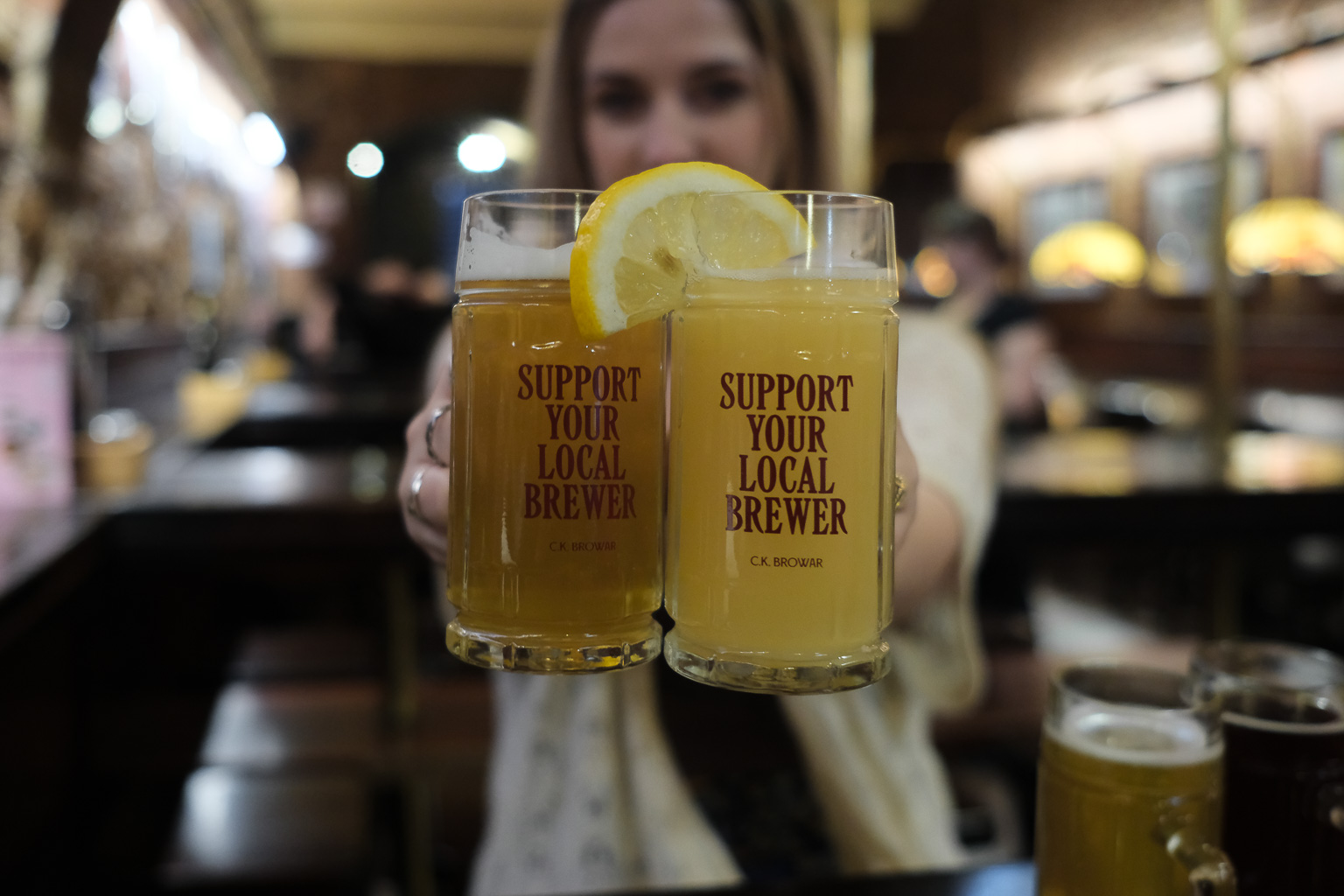
All it took was a small number of entrepreneurial pub owners in Krakow, sick of the bland output from the national breweries that had been taken over by the likes of Heineken and Carlsberg in the years following the fall of communism, to start selling beers from smaller, regional and independent breweries instead. Thankfully, the city’s beer drinkers began to take note, and these bars built a loyal clientele.
Omerta pub in Kazimierz was one of the first to take this leap, and started selling bottled beers from smaller Polish breweries in 2008. They now have 30 draught taps and have even expanded into the premises next door, such is their popularity.
A short distance away, in the Old Town, the House of Beer has achieved similar success. While it is a more recent opening than Omerta, this stylish drinking spot has stocked over 400 different beers to date and claims to have over 200 beers available on any given day.
Whether you’re seeking a standard lager or something a little more exotic, Krakow has a pub serving just what you’re after.
where to Drink Beer in Krakow
- Viva la Pinta – A taproom of Browar Pinta, one of Poland’s pioneering craft breweries, Viva la Pinta is a sleek, modern bar where you can sample a wide array of Polish craft styles—think tropical IPAs, bold imperial stouts, and tart sours—all brewed with creativity and precision.
- Weźże Krafta – A Kazimierz favorite with 25 rotating taps, this laid-back bar is all about fresh, local craft beer. Expect a changing lineup of NEIPAs, saisons, porters, and more, served by bartenders who know their hops from their haze.
- CK Browar – A local institution, CK Browar brews its own beer in gleaming copper tanks inside an atmospheric cellar beneath the city. Modeled after Austro-Hungarian beer halls, it’s a great place to sip a classic lager or dark beer while soaking up Kraków’s old-world charm.
Read More: A Craft Beer Guide to Krakow
Nalewka
This herbal liqueur, made by infusing a variety of fruits, herbs, and spices in alcohol, was originally crafted for medicinal purposes in rural homes. Over time, it became a staple in Polish culture, celebrated for its complex flavors and warming qualities.
Common ingredients include cherries, plums, juniper, and honey, with recipes varying by region and family tradition. Once regarded as a digestive aid, today, nalewka is enjoyed as a flavorful aperitif or after-dinner treat and can be found in bars and restaurants around the city.
where to Try Nalewka in Krakow
- Piwnica pod Baranami – For a deeper dive into Kraków’s rich cultural heritage, visit Piwnica pod Baranami, a historic cellar bar renowned for its wide selection of nalewki. Here, you can sample various homemade infusions, each reflecting the unique flavors and traditions of the region.
Food Tours in Krakow
What could be a better way to sample a city’s food scene than venturing off the tourist path and connecting with local food experts over a table full of tasty treats and a cold beer? With Krakow offering so much choice in restaurants, cafes and street food spots, it is always better to take the advice of someone in the know, and a guided tour is the perfect way to do this.
I took a 4-hour walking tour with Eat Polska, who offer an in-depth tour that not only includes most of the dishes listed here, but it’s also led by a knowledgeable Krakow local who gives a great insight into Polish traditions and culture. It may have been one of the best food tours I have ever taken part in.
Where to Stay in Krakow
Kraków is Poland’s most visited city, so it should be no surprise that it is brimming with hotels to fit almost every taste or budget, with the old town – Stare Miasto – containing everything from party hostels to luxury Kraków hotels that occupy former castles and opulent townhouses.
The old town is relatively compact, but there are still great accommodation options outside of it in the Jewish Quarter and south of the Vistula, with the city’s affordable and efficient public transport system of trams and buses making it easy to get around and explore further.
Budget
Greg & Tom Beer House Hostel
There are quite a few hostels in Krakow suited to large groups or those wanting to party, but no others have the word ‘beer’ in their name, making Greg and Tom’s beer house the perfect place to stay for the travelling beer aficionado. Located in the old town close to most of the city’s major attractions, Greg and Tom’s beer house offers free breakfast and dinner, and hosts plenty of social events such as pub and club crawls to help you meet fellow beer-loving backpacker.
Mid-Range
Amber Design Residence
Situated near Planty Park in a 1930s town house on a quiet residential street, Amber Design Residence contains 34 beautifully stylish rooms and apartments that are perfect if you prefer to have a self-catered stay in Krakow. There is also a sheltered garden as well as a small spa and gym.
Luxury
Hotel Copernicus
Housed in a regal 14th-century building on Krakow’s oldest street, Hotel Copernicus contains 29 luxurious rooms that are decorated in a classic and understated style, retaining historic features such as the wooden beams and medieval frescoes. The hotel is just a short walk from Wawel Castle and the rooftop terrace gives stunning views of the Old Town. For an extra treat, ensure you book ahead for the tasting menu in the Copernicus Restaurant.
How to get to Krakow
Krakow’s John Paul II International Airport (KRK) is around 11km west of the city, with regular flights available from most UK airports. We opted to take flights from Manchester Airport.
There is a train connecting Kraków Airport and Kraków Głowny railway station, running approximately every 30 minutes between 5am and 10:30pm. The route takes around 20 minutes.
The airport’s train station is just a short walk from the arrivals area and well-signposted with ticket machines situated on the platform. However, with a limited number of machines available, there can often be a queue so it is easier to download the iMKA app and purchase your train tickets. The app can also be used to buy bus and tram tickets throughout your stay in Krakow.
Alternatively, bus lines 208 and 252 connect the airport with the city center during the day and the number 902 runs throughout the night. There is also a frequent Flixbus service, that takes just 25 minutes, running at all hours and can be booked through Trainline.