Following a deadly civil war that raged for decades between 1960 and 1996, Guatemala had a dangerous reputation that is thankfully, now a thing of the past and finally, the country’s incredible natural, historical and cultural appeal can take centre stage.
As the birthplace and heartland of the ancient Maya, Guatemala’s long-abandoned rainforest cities are one of the main draws, with the mighty pyramids of Tikal the crowning jewel. However, Maya culture survives beyond the history books with distinctive indigenous dress, traditions and practices still prevalent in the country’s highlands. Elsewhere, the beautiful, colourful architecture – stately cathedrals, grand plazas and extravagant municipal buildings – left behind following the Spanish conquest add a grandiose and crumbling charm to the cities and small towns.
Today, Guatemala is an intriguing mix of Maya and colonial traditions, making it a unique and fascinating place to visit; Baroque churches sit side by side with ancient temples; bustling street markets coexist with modern shopping malls; and the jungle-covered, nature-filled east of the country sits at a sharp contrast to the urbanisation of cities like Xela, Guate and Antigua.
ITINERARY OVERVIEW
MAGICAL MAYAN RUINS, CRUMBLING COLONIAL BUILDINGS AND ENTICING JUNGLE: 2-WEEKS IN GUATEMALA
DAY 1 & 2 Flores / Tikal
DAY 3 & 4 Lanquin / Semuc Champey
DAY 5 – 8 Antigua
DAY 9 – 12 Lake Atitlan
DAY 13 & 14 Xela
DAY 1 & 2
Flores / Tikal
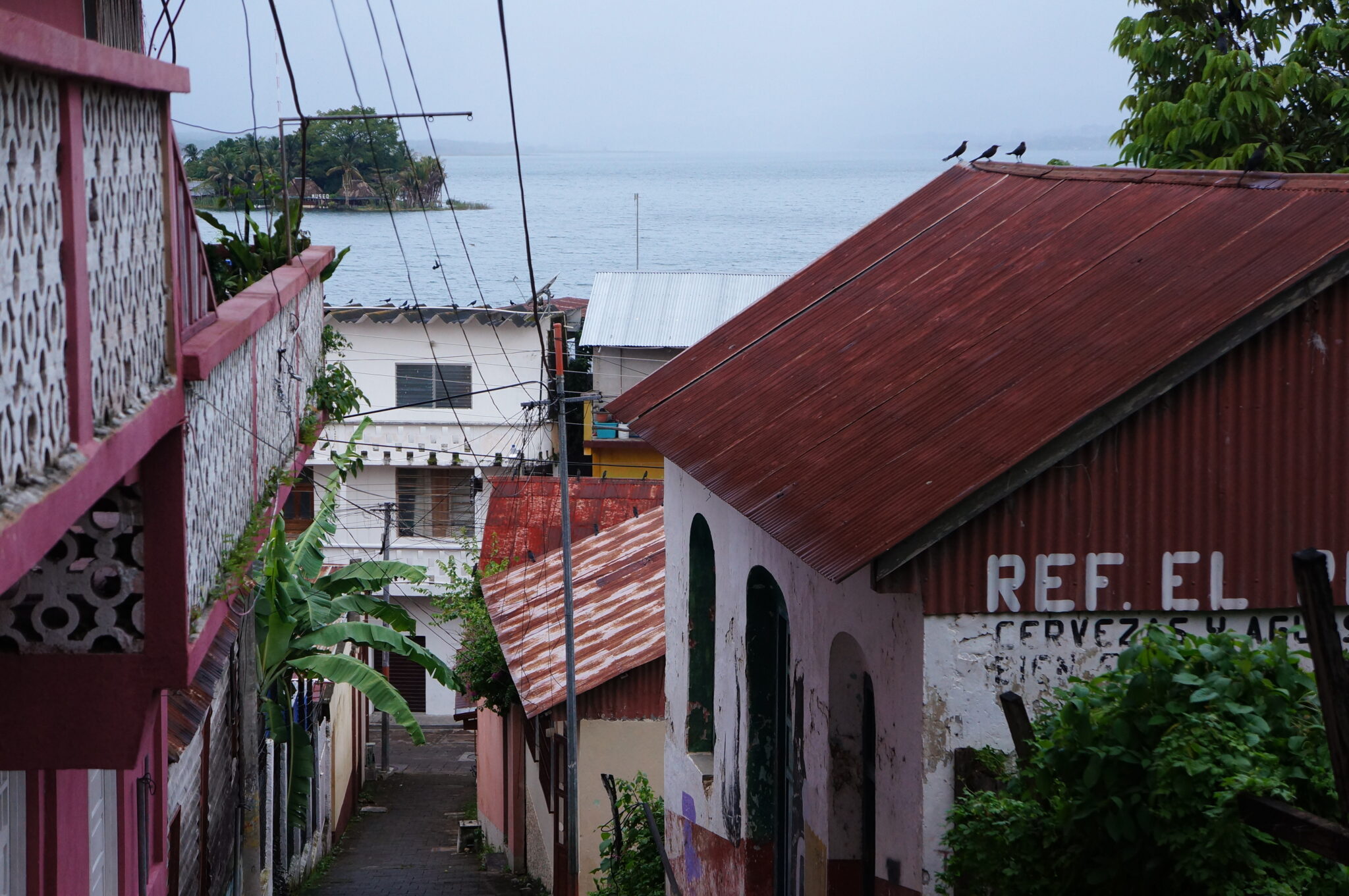
In the centre of Lago Petén Itzá lays Flores, an island town of red corrogated rooftops and colourful, painted buildings. The island, connected to the main land town of Santa Elena by a causeway, was the last major Mayan outpost to resist the incoming onslaught of the Spanish conquistadors until finally falling in 1697, having it’s huge Pre-Colombian pyramids destroyed in the aftermath. Today Flores is visited by travellers from all over the world due to it’s proximity to Tikal, the most famous Maya ruin in Guatemala. It is one of the safest spots in all of Petén and an attraction in itself – the colourful, red roofed colonial buildings cobbled streets are worth visiting.
GETTING TO FLORES
From Belize
The tourist buses leave from the water taxi terminal in Belize City at both 9.30am and 2.30pm, stopping only at the Belize – Guatemala border and then once again in Santa Elena. From Santa Elena you will be transferred to a minibus for the drive over the causeway. It takes around 5 hours at a cost of ~$15.
From Within Guatemala
As with most destinations in Guatemala, it is relatively easy to reach Flores. Most hostels and hotels on the backpacker trail will offer the option of booking a seat in a mini bus at a price that is often the same as taking the local option, sometimes cheaper. I found that hostels in Lanquin, Antigua and Lake Atitlan all offered fairly reasonably priced transport. Minibuses from Semuc Champey/Lanquin take around 8 hours at a cost of anywhere between 80 and 125Q.
Be aware that when travelling in from Belize you will be transferred to a minibus to cross the causeway on to the island. The minibus company will then drop you off outside their ticket office and try to sell you tours. Do not buy tours from them. They severely mark up prices and a couple of people I met ended up paying double the price I paid for a trip to Tikal.
Always shop around different agencies for tours or book your Tikal tour online to avoid scams.
Where to Stay in Flores
Most travellers head straight to Los Amigos Hostel as soon as they make it to the island. As the main backpacker hub, it has pretty much all the amenities you could want; internet access, book exchange and on-site bar/restaurant. The best thing about this place? It has an open courtyard filled with trees, fountains and hammocks giving you the feeling that you’re hanging out in the jungle. One word of advice though – They have been known to overly inflate the prices of their tours and transport at the in-house travel office so it may be worth shopping around in town before booking anything here.
DAY 1 ITINERARY
If, like me, you are arriving from Belize, it’s likely that you will arrive at your hostel sometime in the early to mid afternoon. This gives you the perfect opportunity to explore.
Due to the compact nature of Flores, it only takes around 15-20 minutes to walk the perimeter of the island. It’s worth a wander to see the colourful houses and hang out with locals in Parque Central. Each day at around 4pm stalls will be set up on the west side of Flores selling various street food dishes and drinks at a good price so it pick up a quick tortilla lunch (5Q) as you walk the streets. Make sure to stop by a tour agency or your hostel reception to book a tour to Tikal for the next morning.
As the afternoon draws to a close, borrow a Kayak from your hostel and paddle around Lago Petén Itzá to see Flores from a different perspective before drying yourself off and having a relaxed dinner at Cool Beans Cafe, an outdoor space that serves large, cheap meals, good coffee, and smoothies. The hammocks out back afford great views of the lake so it would be a shame not to hang out in one while sampling the cafes craft beers. Go easy though, as you have an early start the next morning.
DAY 2 ITINERARY
Today is an early start. With your alarm set for 4am, you’ll be picked up at your hostel for the hour-long drive to Tikal at some point before 5am, arriving in time for sunrise over the magnificent Mayan ruins.
Tikal is thought to have existed since the 4th century BC and reached its peak as the capital of one of the most powerful Mayan kingdoms in by 200 AD. Eventually the Mayan collapse took its toll on the city. It was conquered by Teotihuacan in the 7th century and gradually declined as its population left, forced out by the Mayan’s infighting and the sites environmental decline. The city wasn’t rediscovered by the Guatemalan government until 1848 when a team was sent to begin archaeological digs and restore the ancient structures.

Nowadays only 10% of the 57,600 hectare site has been uncovered. Hidden beneath those jungle canopies are countless other buildings waiting to be discovered. It adds to the sense of adventure to know that there could be hidden ruins at every turn. However, what has been discovered is impressive enough – The site is scattered with huge temples (the 5 most impressive are the imaginatively named Temples I – V), houses, altars and plazas.
Of those 5 temples it is Temple IV that is the most well-known. It is the tallest of the structures and it is from it’ peak that you are able to watch the sunrise over the dense jungle with the ruins of the other structures protruding through the canopy. If you have seen Star Wars you will recognise the view as that of Yavin 4 in A New Hope.
You should arrive back on Flores island by early to mid-afternoon, so head to Ciao Cacao Hostel & Cafe for a smoothy and lunch. If you have time, catch a boat from the dock behind Hotel Santana (10Q – must be booked in advance) to Museo Santa Bárbara, a tiny museum hosts a small selection of Maya artifacts from nearby archaeological sites, located on an islet to the west of Flores.
Finish the day by having sundowner beers and food on the rooftop of Skybar.
IF YOU HAVE MORE TIME...
El Mirador is one of the oldest Maya cities and has the biggest pyramid in the world. Before embarking in this trip be aware that it is no walk in the park; it is a 5 or 6 day hike with some days consisting of an 8 hour/30km trek through dense jungle. Los Amigos offer trips at $ 250 USD per person for groups of two people and more. The price to go solo is $ 500 USD. This includes 3 meals a day, camping gear and mules to carry luggage and equipment.
Read More: A Backpacker’s guide to Flores
DAY 3 & 4
Lanquin / Semuc Champey
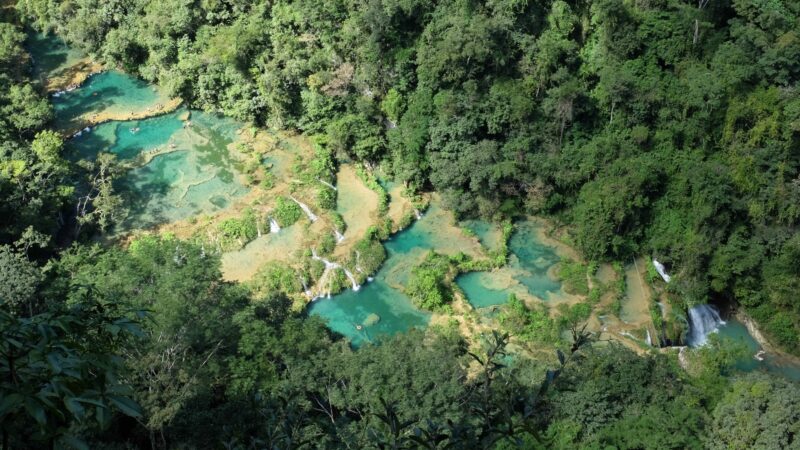
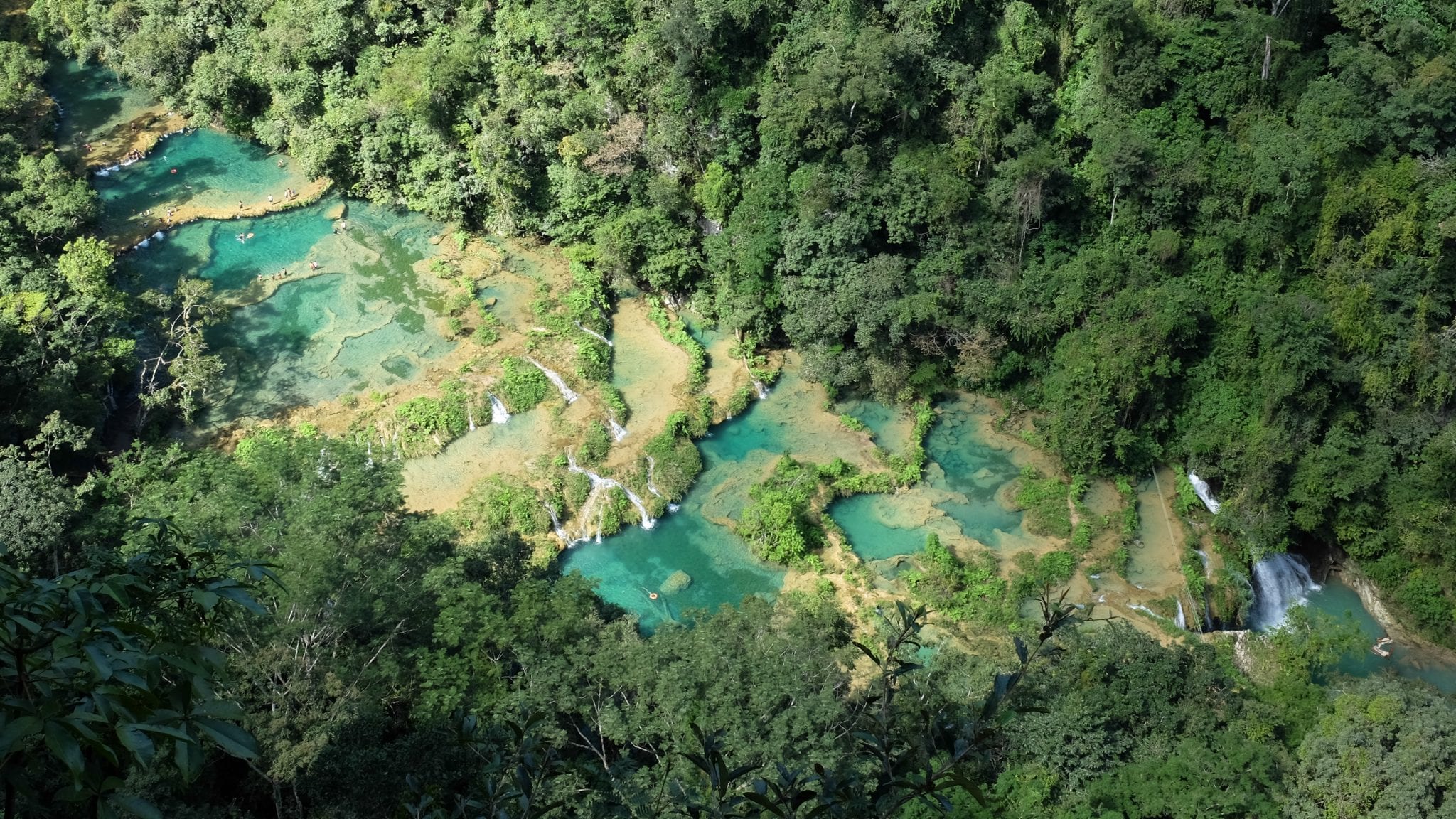
Imagine a tiered, 300m long limestone ribbon winding along the bottom of a lush, mountainous valley deep in the Guatemalan Jungle. Cool water flows over the suspended staircase of 18 sublime, naturally-formed, turquoise pools carved by the flow of the Cahabon river.
What you’re imagining is Semuc Champey, one of the most beautiful natural wonders in Guatemala, if not the whole of Central America. It’s a slice of paradise that’s hard to reach, but one that most backpackers in Guatemala will strive to experience. Just a decade ago very few visitors made it to this part of Guatemala, but now the secret is most certainly out, and the region is a mainstay on the gringo trail for people heading to or from Tikal.
For me, Semuc Champey & Lanquin are must-visits if you’re backpacking in Guatemala.
GETTING TO LANQUIN FROM FLORES
Semuc Champey is a relatively remote place to reach, with most backpackers choosing to spend a day or two in the hilltop town of San Agustín Lanquín, 11km away, and visit Semuc on a day trip.
I’ll start with a slight warning. The journey to Lanquin is not for the faint-hearted. Located 3 hours from Coban, the nearest large city, and 8 – 10 hours from Antigua or Flores by uncomfortable shuttle along winding, unpaved roads for the majority of the journey, a trip to Semuc Champey’s waterfalls means giving up almost two entire days to travel. And when I say uncomfortable, I mean uncomfortable. I spent the entire trip perched on a small, plastic stool propped between the fixed seating of a minibus, sliding forwards and backwards down the aisle with each sharp corner or sudden push on the brakes.
Although a local bus to Lanquin can be caught from Mercado la Terminal in Coban (3 hours, 25Q), from any of the other backpacker hubs in Guatemala, it’s recommended you take a shuttle bus (booked through your hostel) due to the length of the drive. Prices vary, but from both Flores and Antigua, expect to pay anywhere between 120 and 150 Q. The shuttle leaves Antigua twice a day; once at 8 am and again at 2 pm. I would recommend getting the early minibus so that you arrive in Lanquin early evening, ready to visit the waterfalls the next morning.
The shuttle will drop you off at your hostel in either Lanquin or Semuc Champey
Where to Stay in Lanquin and Semuc Champey
You have two options of where to stay when visiting the area; alongside Semuc Champey National Park itself, or 3 km away in the town of Lanquin. There are pros and cons to both; By staying in Lanquin, you have access to a few cheap food spots, tiendas, and markets (as well as an ATM) but you will have to book a day trip to the pools through your hostel or make your own way there. By staying beside the national park itself, you are within walking distance of one of the world’s most beautiful swimming spots and get to stay in tranquil jungle surroundings. However, you will have to rely on your accommodation to provide all of your food and drink requirements.
Of the two options, I recommend stopping in Lanquin. There may not be much to see in the town in terms of sights and attractions, but the misty, highland village is enclosed by hills covered in verdant greenery and lush jungle. A friendly, mostly indigenous community calls this jungle outpost home, often driving livestock through the town’s unpaved streets on their way to the surrounding fields.
There are a number of good, budget guesthouses and hostels in Lanquin but the rambunctious party hostel Zephyr is by far the most popular and possible the best of them. The crowd here tends to be fairly young, packing out the bar each evening for drinking games and a few rounds of pool. However, during the day when most guests have departed to visit Semuc Champey, the infinity pool and hilltop views make it the perfect place for some tranquillity and relaxation. The well-stocked bar and good food menu also mean that you won’t have to venture out into town on an evening.
DAY 3 ITINERARY
It’s approximately an 8 hour drive from Flores to Lanquin, so if you took the early morning shuttle bus, chances are that you won’t arrive in Lanquin until late afternoon or early evening.
This is a good opportunity to relax and unwind after a strenuous bus ride. Zephyr Lodge has a fantastic communal area where you can socialise with other guests, read books from their book exchange, or drink and play pool. They also have a fantastic infinity pool with hilltop views that make it the perfect place for some tranquillity and relaxation (or partying if you feel like it). There isn’t a great deal to see in the village of Lanquin itself, so it may be worth staying at Zephyr for food, unless you’re really curious.
DAY 4 ITINERARY
Today is the day that you see Semuc Champey’s stunning limestone waterfalls. The easiest way of visiting is via an organised tour (these can be booked the previous evening via your hostel). Tours generally cost 170Q – 200Q per person and include transport to the national park, a short, guided hike up to the famous El Mirador viewpoint, a swim in the pools and a caving excursion in K’an Ba Cave. The caving section of the tour isn’t for the faint of heart: In this ill-advised 30-minute long excursion, there are moments that you will find yourself struggling through neck-deep water, squeezing through tiny crevasses, climbing a 10ft waterfall across wet rock using make-shift metal rungs for grip, and even jumping from rocks into pitch black pools below with only candles for light.
If you decide to venture to Semuc Champey independently, you will need to pay the 50Q entry fee for the national park yourself, as well as pay separately for the cave tour and river tubing. Make sure to bring some spare cash with you in order to buy snacks or cans of beer from some of the local kids. Lockers are available on site.
You should be back in Lanquin by late afternoon, so spend the evening relaxing and socialising.
DAY 5 - 8
Antigua
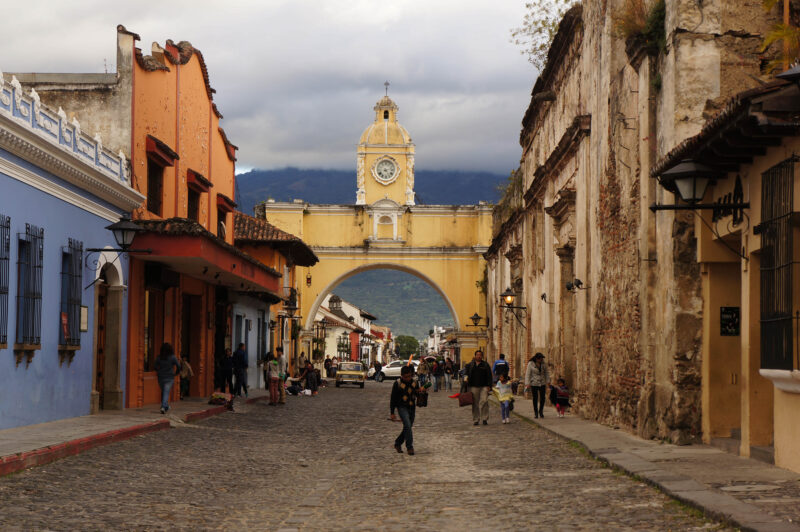
As Guatemala’s former capital, Antigua holds a lot of historical significance amongst its cobblestone streets and crumbling, colourful buildings. Even overlooking the 16th-century ruins, colonial magnificence and storied past, just on the surface, Antigua is a place brimming with beauty and charm; A grid of pastel streets filled with plazas, painstakingly renovated churches, and vibrant markets spread beneath three encircling volcanoes.
I’ve allotted 4 days for Antigua but it is easy to be drawn in by the city’s charm and stay for much longer. There isn’t necessarily a great deal to keep you occupied within the city itself – It is possible to see the majority of the city’s main attractions in a day – but most people will decide to stay longer, soaking in the endearing atmosphere and whiling away the afternoons in any number of Antigua’s charming cafes, bars and coffee shops.

GETTING TO ANTIGUA
As Antigua is an ever popular spot on the Gringo Trail through Latin America, it is an easy destination to reach, with buses heading here from all over the country.
There are regular shuttle buses direct from the airport to Antigua costing around 80Q, leaving regularly all day until 8PM as well as regular buses from Guatemala City.
If you are heading here from Lanquin, it is a gruelling 8 – 10 hour ride aboard a shared shuttle (~120Q). Buses pick you up early morning from your hostel in Lanquin and arrive in antigua mid-afternoon.
Upon leaving the city, a shuttle bus can be booked through almost every hostel or travel agent in the town, heading to destinations such as Lake Atitlan, Semuc Champey or even further afield destinations such as San Juan del Sur in El Salvador or Leon in Nicaragua.
Where to Stay in Antigua
As Antigua continues to attract hordes of tourists, the pool of accommodation options seems to grow on a monthly basis. You will find everything from 5-star resorts situated on the edge of town to the dingiest of backpacker dives. Luckily for you, that means that prices stay competitive (although higher than in the rest of Guatemala) and you will be able to find a clean, stylish hostel for only a few Quetzels more than the city’s cheapest fleapit.
I enjoyed my stay at El Hostal Bed & Breakfast so much that I decided to book another bed on my second trip to Antigua without really looking elsewhere. Set in an old, colonial house with an airy, communal courtyard at its centre, El Hostal offers both dorm beds and private rooms that are both clean and spacious. The breakfast is better than most you will find around Guatemala and the staff are friendly. They will always be happy to offer advice and book tours or onward transport.
While I stayed at El Hostel, a few of my friends were swayed by Tropicana’s promise of a swimming pool and sang its praises. The dorms are a little cramped (triple bunk beds are the norm here) and it is not quite as luxurious as some similarly priced hostels, but this is one of Antigua’s premiere party hostels so you can guarantee that it will be a sociable experience.
DAY 5 ITINERARY
If arriving from Lanquin, you should reach Antigua by mid-afternoon. Use this first afternoon to explore the city centre. Due to its stunning baroque architecture and 16th-century churches, Antigua was declared a UNESCO World Heritage Site in 1979, and with good reason. The cobbled lanes lined with a rainbow of peeling, pastel coloured buildings pack a charming punch and the historic centre is filled with gems.

Start at the iconic El Arco de Santa Catalina, built in the 17th century to allow nuns to cross the street without being seen, and then make your way to the impressive Iglesia de La Merced church. From there, head to the crumbling Iglesia de San Francisco el Grande and pop inside to see the tomb of Saint Pedro de San José Betancur and the attached museum. Finish your day in the bustling Central Park as street food vendors set up their stalls for the evening and couples canoodle under the arches of the fountain.
If you are in the need of a drink after a hard day’s travel and exploration, I recommend stopping by Café No Se. This Antigua institution and is legendary amongst the many backpackers in Guatemala that have lost their evenings here in a haze of mescal and dancing. This is a dive bar with a capital D; graffiti strewn walls, dim lighting and soundtracked by an incredible house band.
DAY 6 ITINERARY
Start today by taking a 15-minute hike up to the top of Cerro de la Cruz for a bird’s-eye view of the city’s beautiful baroque-influenced architecture and the surrounding volcanoes. The entrance to the trail is north of the town centre and clearly signposted, however, as it passes through a wooded area, there are reports of unsuspecting tourists being the target of local bandito. There is a steady stream of people climbing the hill, so ensure that you tag along with another group rather than going alone. The local tourist police had a system of escorting tourists up the hill at fixed intervals, but this has now been replaced with a constant police presence, so you shouldn’t have anything to worry about.
After your short hike, head back towards the city centre, stopping off at Mercado Central for a street food lunch. Much of Antigua’s main market is set aside for items that wouldn’t be of much interest to the typical backpacker; homewares, electrical items and pirated DVDs. However, in Antigua’s increasingly gentrified centre, this is probably one of the few chances you will get to experience the ‘real’ side of the city. Wander far enough through the stalls and you will find vendors with baskets and crates filled to the brim with fresh fruit and vegetables, perfect for making a meal at your hostel.

With a free afternoon to explore the city a little more, I recommend popping into Tabacos y Vinos for a glass of wine or two. This tiny, atmospheric hole-in-the-wall is so inconspicuous that the majority of tourists wander by without giving it a second glance. The venue may be small, but they offer one of the best wine selections in the whole city with the added bonus of 2 for 1 offers and prices that decrease with every consecutive glass you buy.
End your day with food and beers at the wonderful Antigua Brewing Company. Run by a group of Guatemalan and expat beer enthusiasts, the Antigua Brewing Company brews craft beer in tiny, 18-litre batches – a welcome alternative to the mass-produced Gallo and Brahva that are ubiquitous in Guatemala. Nestled in an old colonial patio between Central Park and the infamous Antigua Arch, everything from coffee stouts to Belgian style brews that can be enjoyed from the rooftop terrace with a view over Antigua’s streets.
DAY 7 & 8 ITINERARY
With two more full days in Antigua, I recommend just spending some time relaxing and enjoying the cool bars, cafes and restaurants that the city has to offer. One of my favourite dining spots is Por Qué No? which occupies a narrow, colonial corner building on 9 Calle Oriente. Inside you will find a tiny, enchanting bar that opens up into a dining space once you climb a rickety ladder up to the second floor. Quirky trinkets adorn every corner, hanging from the ceiling and tag covered walls. Just remember to bring a pen with you so that you can leave your mark.
However, if you’re feeling a little more adventurous and energetic, there are plenty of hiking opportunities to keep you occupied.
There are three large volcanoes that encircle Antigua – Volcan de Fuego, Volcan de Agua and Acatenango – that are visible from practically anywhere in the city’s colonial centre. Volcan de Agua is the largest of them and was responsible for completely destroying the city in 1541. However, it is Volcan de Fuego that is the main attraction, spewing out a near constant plume of ash and smoke.
It is possible to hike Acatenango in a day but an overnight trip is recommended as it offers spectacular views of Fuego’s explosive emissions from the campsite. Be warned though, at an elevation of 4000m, it is a strenuous hike. Most tour operators in the city offer this trip for around $50-$100 per person, including camping gear. If you would like to book directly with a local guide, it will set you back just Q200-Q300 but you will have to rent your own camping gear from within the town and ensure you get a registered guide.
Pacaya Volcano, which is closer to Guatemala City than to Antigua, is the easiest hike and any tour operators in the city will offer the trip. The volcano is not massively active, but you will still be able to toast marshmallows over its vents. Hiking Volcan de Agua is highly discouraged as banditos have been known to rob or kidnap people on this route. Most tour operators in the city do not offer this hike as it is far too dangerous.
Read More: A Backpacker’s Guide to Antigua
DAY 9 - 12
Lake Atitlan
“Lake Como, it seems to me, touches on the limit of permissibly picturesque, but Atitlán is Como with additional embellishments of several immense volcanoes. It really is too much of a good thing.”
Aldous Huxley
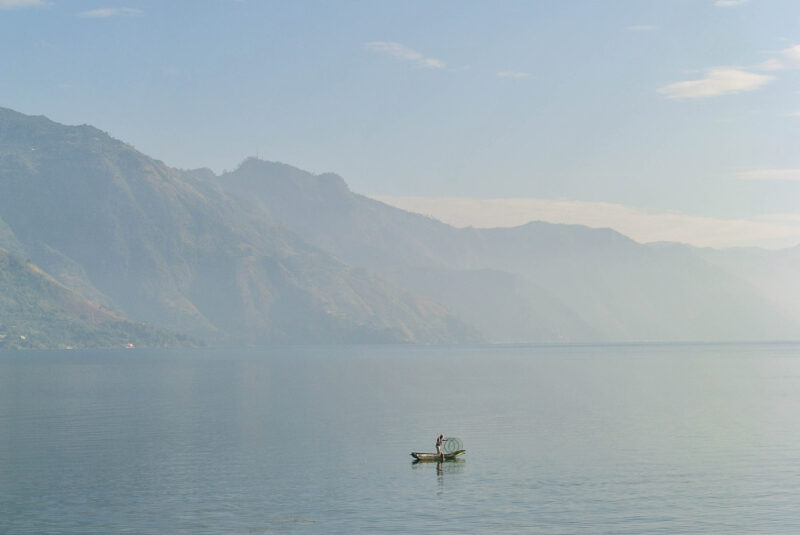
Aldous Huxley was right, Lago Atitlán is veritably stunning. This 130.1km2 expanse of water, elevated 1,562m above Western Guatemala is one of the most beautiful lakes you will ever see, despite it’s ferocious beginnings. It was formed 85,000 years ago when an enormous volcanic eruption ejected 300 km3 of ash and rock into the sky, spreading as far as Florida in the North and Ecuador in the South, eventually collapsing and creating the crater in which the lake fills today.
There are numerous villages and towns surrounding the lake, each with a different vibe or draw. Panajachel is the main tourist hub whereas the beautiful, tiny village of San Marco will be your destination of choice if you’re looking to spend a few days aligning your chakras on a yoga and meditation retreat. However, every backpacker in Central America seems to find themselves in the lakeside town of San Pedro La Laguna at some point. Some stop by for a few days, hoping to sample its reputation as a party town, while many more stay for weeks – even months – drawn in by the stunning, volcano-ringed Lake Atitlan and its laid-back vibe.
Nestled between the verdant slopes of San Pedro volcano and the enchanting lake, the town is home to a population of 13,000 people, primarily of Tzutujil Mayan descent. Alongside them are an eclectic mix of ex-pats, hippies and international backpackers.

GETTING TO LAKE ATITLAN
Shuttle bus services can be booked from numerous agencies and hostels in Antigua for anywhere between 50 & 70Q, depending on which agency you use and which village on the lake that you plan on travelling to. The journey takes around 3 hours including a toilet and food stop. This is by far the most convenient way to reach San Pedro as there is no need to take a boat from Panajachel.
A cheaper alternative is to take a chicken bus from Antigua to Chimaltenango, then take an onwards bus towards Xela/ Quetzaltenango. You will have to alight at the turnoff to San Pedro, Kilometro 148, and take a chicken bus or shuttle the rest of the way.
Where to Stay on Lake Atitlan
Of all the hostels in San Pedro, Hotel Mikaso is possibly the best budget accommodation in town. This hotel consists 12 rooms of 2, 3 or 4 beds – plus a 6 & 8-bed dorm for solo travellers – spread over 3 floors, each with their own en-suite bathroom and some even have a view out over the lake. There is a bar/restaurant on the third floor and a beautiful rooftop terrace with a vista to die for. The best thing? The hot tubs on the upper deck are a perfect spot to watch the sunset behind lake Atitlan’s surrounding hills.
The hotel is a little bit of a walk from the main dock but that can be a good thing when you tire of the music emanating from San Pedro’s bars. Staff are helpful and will assist you in organising tours/ transport to other regions in Guatemala.
DAY 9 ITINERARY
Arriving in San Pedro around lunch time, drop your bags at your hostel and then take a walk around town to get your bearings, stopping by 7th avenue near the Pana Dock for some cheap and cheerful street food (chicken with beans, guacamole and tortillas will set you back just 8Q). If you arrive on a Sunday, Smokin’ Joes hosts a weekly BBQ at Cafe Chuasinayi between noon and 4pm with great food and drink deals. As evening draws in, watch the sunset at the lakefront before heading over to D’ Noz for drinks at their nightly film evening.
DAY 10 ITINERARY
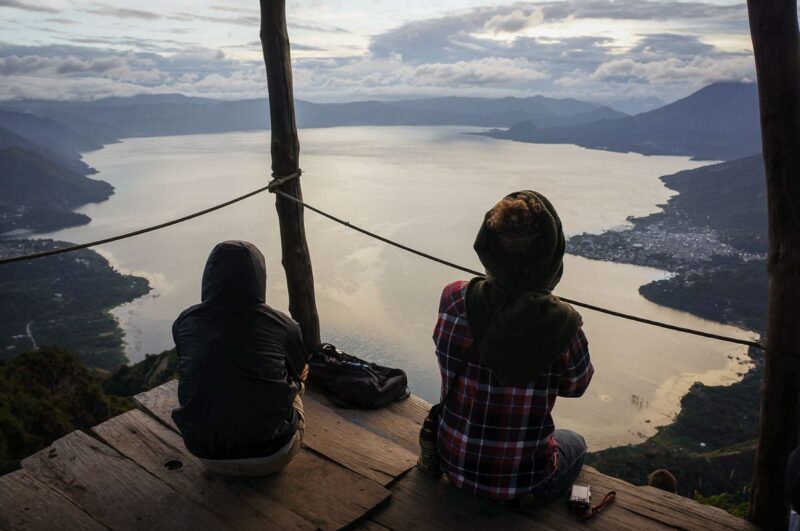
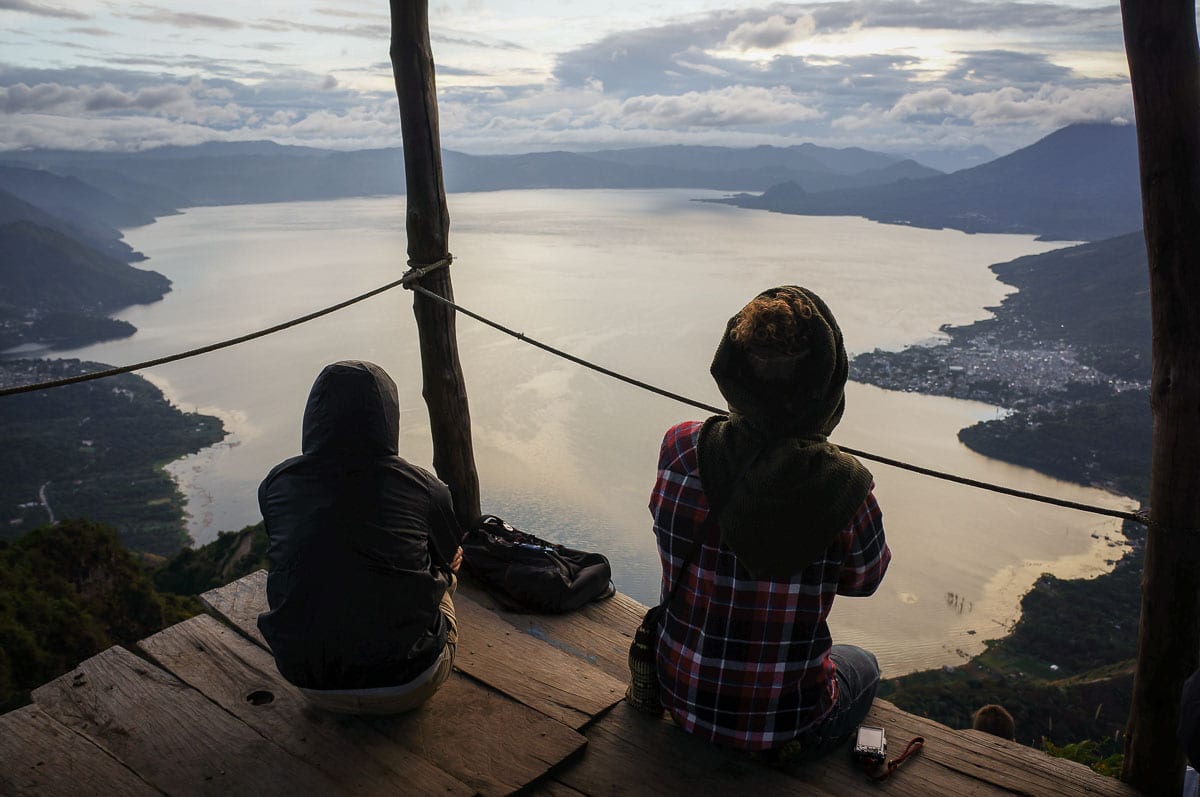
Waking up earlier than most of us would like, set out to hike up to the Indian Nose viewpoint. Of the lake’s bordering knolls, Indian Nose, La Nariz de Indio, is the most politically incorrect yet the most famous; a series of prominent hillocks that when seen from across the lake, resembles the profile of a sleeping Mayan. The viewpoint on its peak gives a spectacular vista over the lake and its surrounding volcanoes, especially at sunrise. To get to the top it was a 4 am start, taking the chicken bus to Santa Clara La Laguna and beginning the hike from there.
Multiple tour agencies will cajole and harangue you as you wander around San Pedro, all of the offering trips up Indian Nose. The prices range from 50-200 Quetzals depending on which agency you choose. We paid 200Q for 2 people. It is possible to do the hike yourself but I would highly recommend taking a guide. It’s important to consider your safety in Guatemala as armed muggings and robberies have been known to take place on this trail and there is a chance that you may get lost in the dark, which can be dangerous in itself if it is the early hours of the morning. However, with a guide, you will be completely safe and there is the added bonus of paying into the local community.
Upon returning to town, stop by the Allegre Pub beside Pana Dock for a well-earned breakfast and cup of tea. After a few months of travelling, you can’t imagine how happy I was to taste my first cup of good tea (Yorkshire Tea no less) and have an English breakfast to refuel after all that hiking.
In the afternoon, rent a kayak from beside the same dock to paddle around the lake (15Q per hour) before recovering from your day of exercise with a stop off at Los Termales thermal baths (25Q). Rather than natural pools, these are more along the lines of big hot tubs that I assume are filled and heated by the owners rather than volcanic natural springs. It is best to give the owner a heads up around 30 minutes before you arrive so that they can prepare the pool for you.
In the Evening, head to Sublime. A San Pedro institution, Sublime is pretty much the place to be for an evening of drinking and dancing. They have a good booze selection and even throw theme parties on the regular such as pyjama parties, twin night (bring a friend and dress the same), and black light parties. There’s a good variety of music and they tend to concentrate on a different genre each night. Once a week they have a jukebox party where it is all requests.
DAY 11 & 12 ITINERARY
Spend the next couple of days exploring the villages and towns that surround the lake. A boat taxi / ferry can be caught from Panna dock taking you to San Marcos, Santa Cruise, Panajachel, and Jaibalito.
If you are looking something a little more challenging with fantastic views of the lake, then take a hike up San Pedro Volcano. I didn’t climb it myself, but I have heard that it is spectacular. The walk takes around 3 – 5 hours each way and once again I would recommend taking a guide, even though it is fairly easy to find your way on your own.
Read More: A Backpacker’s Guide to San Pedro La Laguna
DAY 13 & 14
Xela
Quetzaltenango — or Xela for short (an abbreviation of the original K’iche’ Maya name, Xelajú) — is Guatemala’s second largest city, but it is still at a much smaller scale and offers a more relaxed atmosphere than Guatemala City. Located high in the Guatemalan highlands, the city is the perfect jumping-off point for several stunning multi-day hikes through the surrounding countryside while many backpackers opt to stay here for a number of weeks while taking extensive Spanish courses.
Where to Stay in Xela
Located just 2 blocks from Central Park, Casa Seibel offers cheap but comfortable accommodation in a rustic, old colonial house with a fully equipped kitchen, spacious dining room, a cozy living room, and two lush gardens. Dorm beds are just £5 per person per night while a private room will set you back just £12.
DAY 13 ITINERARY
Xela and the surrounding highlands aren’t short of volcanoes to hike, but if you’re looking for a relatively relaxed walk that starts straight from the city centre, then head up to Baul. Located just 10 minutes from the Parque Centro, it’ll give you fantastic views over Xela.
On your return to ground level, it’s time for a self-guided walking tour. Start at Parque Centro America, the city’s heart, where you’ll find a whole bunch of historical, cultural and architectural sights like the earthquake-damaged front of Iglesia del Espiritu Santo and the ‘kiosk’, a circular series of columns that’s become a popular place to meet up and socialise. If you’re in need of a coffee and snack, stop by El Balcon del Enriquez.
Afterwards, head to Quetzaltenango’s biggest market, La Democracia to take in all the sights and smells of a typical Guatemalan Market. It’s not as tourist-friendly as Chichicastenango, the oldest handicrafts market in the country, or as impressive as the Friday market in nearby San Francisco, but it is worth stopping off to take a look around.
If you have an interest in local history, Centro Intercultural de Quetzaltenango should be your next stop. Located in a former train station that has been converted into a cultural centre, it is home to 3 of the city’s best museums.
Just a short walk from Centro Intercultural is Cementerio General, the city’s largest cemetery. Although looking at graves may not seem like a fun way to spend an afternoon, the coloured gravestones and grand, crumbling mausoleums are a fascinating piece of Xela’s history.
DAY 14 ITINERARY
For your last day in Xela, and Guatemala, you have plenty of options. If you have a few extra days, you can embark on a two day hike up to the summit of Volcán Tajumulco, Central America’s highest point, or the three-day trek to Lago de Atitlán. However, if you just have a day to kill, I recommend a short shuttle ride to Fuentes Georginas, hot sulfur springs surrounded by stunning scenery, where you can relax and soak away the stress of 2 weeks of hectic travel.
GETTING TO XELA
From Lake Atitlan, the best option is to catch a direct chicken bus which leaves from Panajachel to Quetzaltenango approximately every hour. The bus takes just over 2 hours and costs 20Q. Alternatively, a less-regular chicken bus leaves San Pedro La Laguna for Xela from the bus stop opposite Iglesia Catolica de San Pedro la Laguna. Ask around for the timetable.
IF YOU HAVE AN EXTRA WEEK IN GUATEMALA
GETTING OUT OF GUATEMALA
Your options for leaving Guatemala all depend on where you are heading next on your backpacking adventure through Central America. From Antigua, Shuttles can be booked through your hostel to myriad destinations such as El Salvador, Honduras, San Juan Del Sur and Leon in Nicaragua (shuttles leave in the early hours of the morning, arriving late afternoon the next day) or San Cristobal de las Casas in Mexico.
If you are in Guatemala City, buses to destinations south of the border are easy to come by, although, if you are heading to Belize, you will have to make your way via Coban or Flores to catch a shuttle bus to Belize City.
ESSENTIAL INFORMATION
CURRENCY: Quetzal (GTQ)
EXCHANGE RATE: £1 ($1.30) ~ 10GTQ
CAPITAL: Guatemala City
LANGUAGES: Spanish is the official language of Guatemala. As a first and second language, Spanish is spoken by 93% of the population. However, 21 different Mayan languages are spoken, especially in rural areas, as well as two non-Mayan Amerindian languages, Xinca, an indigenous language, and Garifuna.
VISA REQUIREMENTS
British, EU, US, Australian and Canadian citizens (plus 81 other nations) do not need a visa to visit Guatemala for up to 90 days, although a passport valid for up to 6 months after date of entry is required. If you wish to stay longer, you must submit an application to the Guatemalan Institute of Migration in Guatemala City.
There is a US$30 (or Quetzal equivalent) airport departure tax, which is normally included in the price of the ticket. This does not have to be paid if crossing a land border.
Budget Breakdown
HOSTELS: £202
TRANSPORT: £33.20 each
TOURS & ACTIVITIES: £54.50 each
FOOD & DRINK: £10 per person per day
In general, Guatemala is very cheap for the budget-conscious backpacker. Over the course of 14 days / nights, we spend £657 ($860) in Guatemala, or £328 ($428) per person. This comes to around £23.40 per person per day including tours, transport, food and accommodation. Bear in mind that we were in no means keeping the purse strings pulled tight – We spend the trip staying in private rooms at fairly nice hostels, eating meals dining out twice a day and certainly not scrimping on drinks each evening.
If you travel slow, stay in cheap dorms, cook for yourself, and go easy on the beers, you can easily get by on £15 per day.
Food
Food is relatively cheap in Guatemala. I set myself a budget of around £10 per day, but this was eating out at cafes or restaurants for two meals a day and eating breakfast at hotels. Eating street food (5-10Q per portion) or cooking for yourself, you can eat for much cheaper. A good breakfast can be found for around 20Q and a hearty lunch or dinner for 30Q.
Accommodation
Accomodation in Guatemala is relatively cheap and hostels are of a fairly high standard. Expect to pay anywhere between £20 and £30 for a good private room in a nice hostel or budget hotel and between £5 and £10 for a bed in a dorm. Some cities are more expensive than others, with Antigua possibly being the most expensive, however, it is possible to find a decent bed for £6 or £7 per night here.
Drinks
I tend to judge the relative cost of visiting a country on the price of the local beer and in Guatemala, it's fairly cheap. A bottle of Gallo, the local brew, will set you back just 15Q (£1.50) if bought in a bar or restaurant, while a glass of wine is 25Q (£2.50). Water on the other hand is around 5Q per litre (50p) and a cup of coffee is a little more, at around 7-10Q (70p - £1.30)
Transport
Over the course of a fortnight, I spent just £33.20 on transport between cities. The most expensive journey was the long trip between Lanquin and Antigua, setting me back 120Q (£11.86). This doesn't include taxi or tuk tuk rides but these can be procured for cheap, especially now that Uber is ubiquitous in the more populous areas.