Travel Photography Gear – What’s in my Camera Bag?

“What camera do you use?” is a question I get asked fairly regularly when people see my photography, alongside the second most popular question; “What lens was that shot with?”

It’s a funny question because a good camera doesn’t necessarily make for a good photo. There are plenty of photographers out there creating wonderful art just using phones, instant cameras, disposable cameras and cheap, point and click cameras. However, as I get asked so often, I thought I would outline all of my gear in a blog post.

Before we get started though, I’ll be honest with you; When it comes to photography, I am not particularly knowledgeable or technical. Almost everything I have learned about photography is a result of trial and error or getting out on the street and practising. With that in mind, I won’t be going into too many details on specs in this post, just letting you know what I use.

Cameras

Fuji XT10

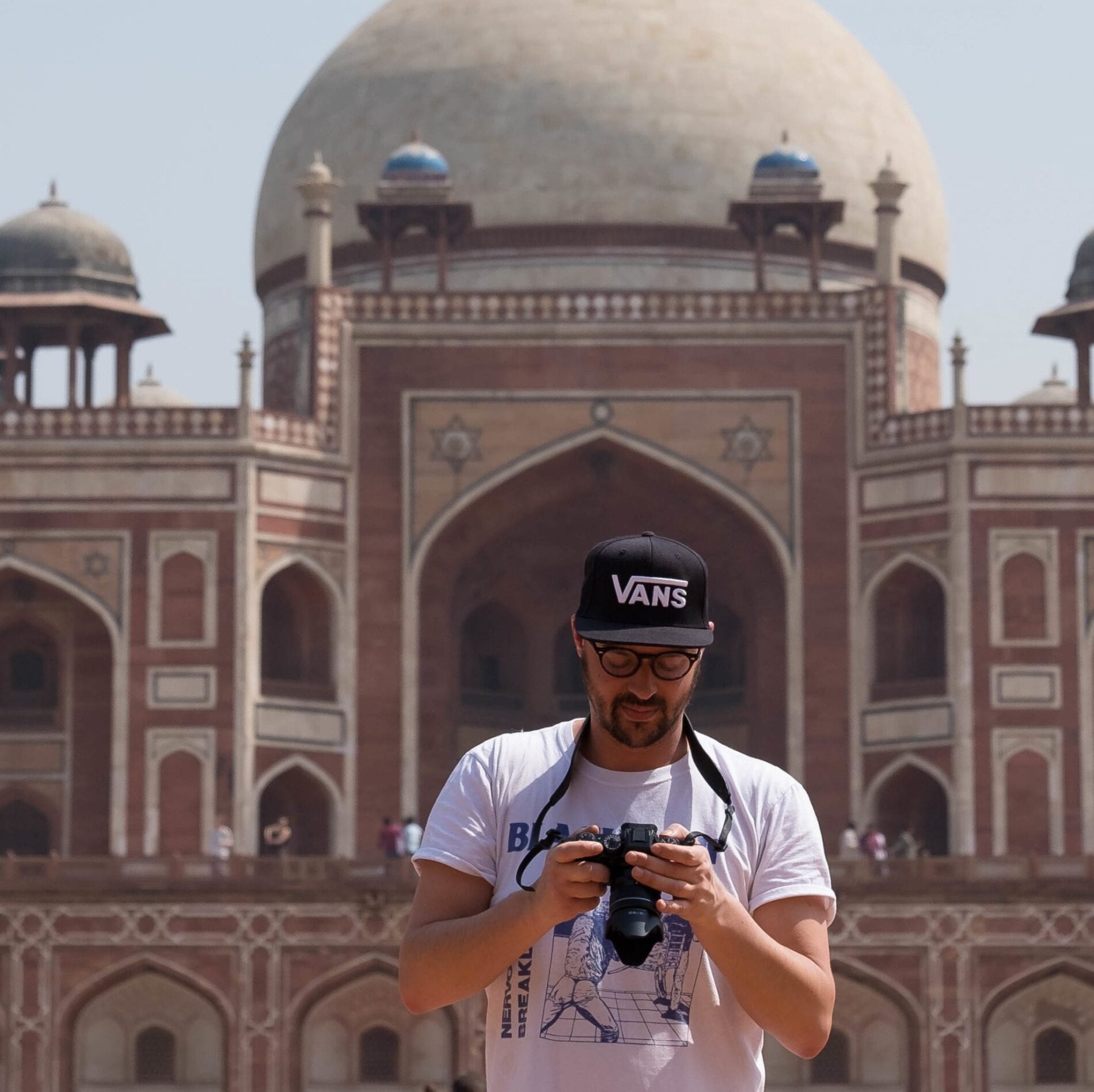
When I started this blog and decided that I wanted to take my photography a little more seriously, I ditched my old Nikon for a Fuji XT10 and haven’t looked back. I fell in love with it. At just 380g, it is incredibly lightweight, making it the perfect travel camera. Although the XT10 and it’s successor, the XT20, are fairly cheap, entry-level to mid-range cameras, I haven’t felt the need to upgrade until very recently. For 3 years, the XT10 has served me well and produced some stunning images.

Fuji XT3

Last month, I finally bit the bullet and upgraded from my much-loved XT10 to the Fujifilm XT3. I resisted moving to a full-frame camera or DSLR as I still wanted something that is light and easy to travel with. The XT3 seemed like the obvious choice; I love the feel of Fuji’s X-series cameras and can’t fault the images they produce. With a 24.3MP X-Trans CMOS III sensor and 4K video recording, it’s quite the step up from the XT10 or XT20 but still feels relatively light and compact.

Go Pro

My Go Pro doesn’t get as much use as it should, but it doesn’t take up much space in my luggage and it’s always handy to have in my bag just in case I need it. Usually, I use it just for video; either underwater shooting or attaching it to myself to film something a little more adventurous. I’m currently still using the Hero4 but I’ll be looking to upgrade to the Hero7 at some point.

Lenses

Fujifilm XF 18-55mm

Of all my lenses, the 18-55mm is the one that spends the most time on my camera when I’m travelling. Compared to the other lenses I carry with me, it isn’t all that great, but for a kit lens, it is fantastic. Ideally, I would like to swap it out for the superior 16-55mm f/2.8 at some point but for now, I can’t really fault it.

Fujifilm XF 23mm F2.0 WR

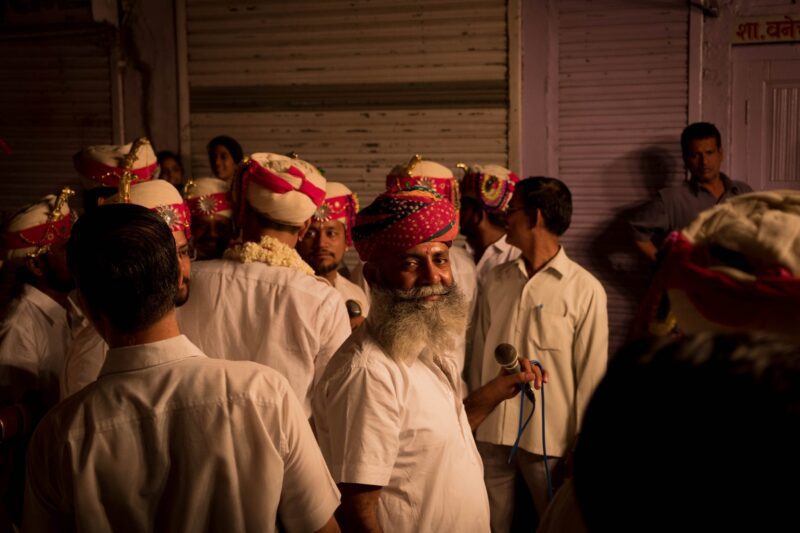
Alongside the Fujifilm XF 18-55mm, this is the lens that I shoot with most often. The 23mm view of this lens is a 35mm equivalent on a full-frame sensor – the closest to the view of the human eye – making it pretty versatile. The focal length equivalent is a little narrow for portraiture, however, it is ideal for street photography and travel; not only is it weatherproof, but it’s also lightweight and discreet with super fast autofocus. If you see any street photography on this blog, chances are that I was using this lens.

Fujifilm XF 56mm F1.2

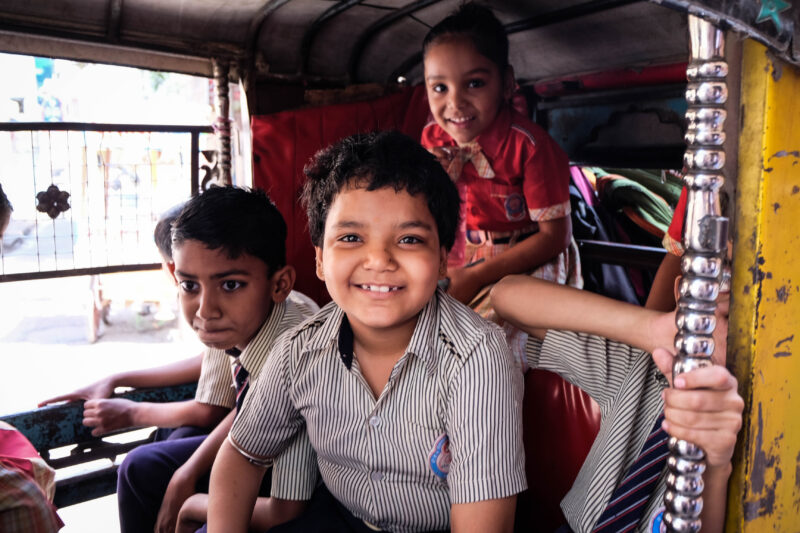
As you can probably tell from this blog and my Instagram account, street portraits are my favourite photos to shoot. If you need a lens for portraiture, the XF 56mm f1.2 – an 85mm focal length equivalent – is probably the best choice in the whole of the X-Mount lineup; bokeh, depth of field, and colour rendition are all second to none.

Fujifilm XF 50-140mm F2.8 WR OIS

I don’t shoot sport or wildlife photography all that often, so a huge telephoto lens isn’t really something I need to carry around. As much as I would love Fuji’s 100-400mm f/4.5-5.6, I can’t really justify the cost and added weight when I am travelling. The 50-140mm f2.8 is a good compromise. With a constant maximum aperture of f/2.8, weather sealing, and image stabilization, I actually get a fair bit of use out of this lens. I even use it for a lot of my street photography, picking people out on a busy street scene from a distance.

Tripods

Manfrotto Compact Action Tripod

I know that carrying a tripod around can be a pain; They’re heavy, bulky, and take time to set up whenever you want to take a photograph. However, I often travel alone and need to capture pictures of myself for this blog and Instagram so a tripod is a necessary evil. I went for the Manfrotto Compact Action Tripod because it was reasonably cheap, lightweight (it only weighs 1.5 kg) and is only 45 cm long when packed away, meaning it fits in my carry on or can easily be strapped to my camera bag without feeling unwieldy. When fully extended it can reach a whopping 1.55m.

Manfrotto Pixi Evo 2

For times when I can’t be bothered to drag my larger tripod with me, the tiny PIXI EVO 2 is perfect. It slots nicely into the side pocket of my camera back and is surprisingly versatile for such a small stand; the two-section legs are adjustable for uneven shooting surfaces and the ball head can tilt to 90 degrees to capture images in portrait mode. The pixi also makes a great handle for vlogging to enable you to shoot further than at arm’s length.

Camera Bags

Caden K1 Shoulder Bag

I don’t think there is any such thing as a perfect camera bag. You may find one that gets pretty close, but there will always be a few things that frustrate you about it; zips in the wrong places, not enough pockets, compartments that open too far or don’t open far enough. I could go on. Strangely, I’ve found that this Caden shoulder back comes pretty close to perfect, despite being incredibly cheap compared to most camera bags. I tend to use this bag if I am heading out for a day or less, as it can just about hold my camera, 3 lenses and all of my accessories, including both tripods. The only problem is that it isn’t large enough to hold clothes, jackets, or anything that you may need on multi-day trips.

Manfrotto Medium Advanced Tri Camera Backpack

The Manfrotto Advanced Tri Camera Backpack is much more useful if you need a little more packing space or are carrying more than one camera. The side-opening bottom section can comfortably hold a DSLR with a 70-200/2.8 lens, as well as 4 lenses, while the top opening section can fit another camera or additional clothes for your trip. As it is a backpack, it’s also much easier on your back and shoulders.

I hope that this article has helped. If you’d like to see some of my photography, head on over to my photography portfolio or photography page. Alternatively, you can go to Instagram and follow my blog account, or my personal photography account.

David McClane is a photographer and travel writer based in Leeds, UK. Since first picking up a camera on a yearlong journey through Central and South America in 2014/2015, He has carefully documented his travels through over 50 countries.

Leave a Reply

Your email address will not be published. Required fields are marked *