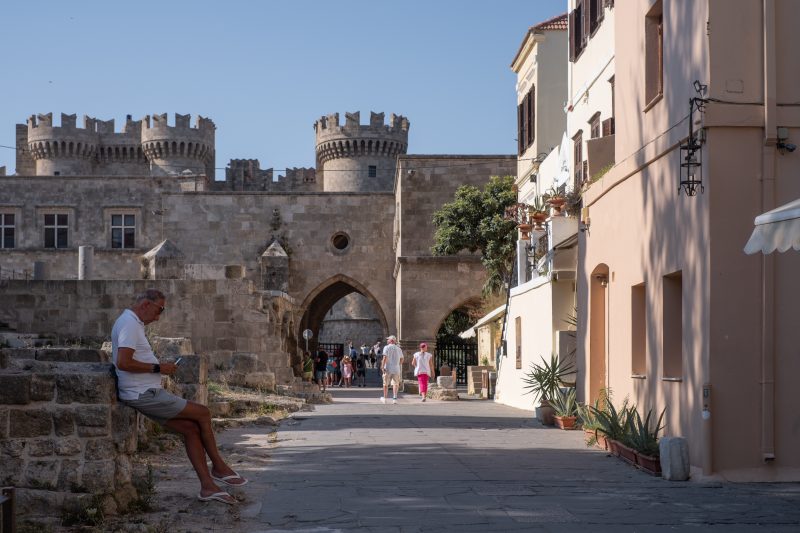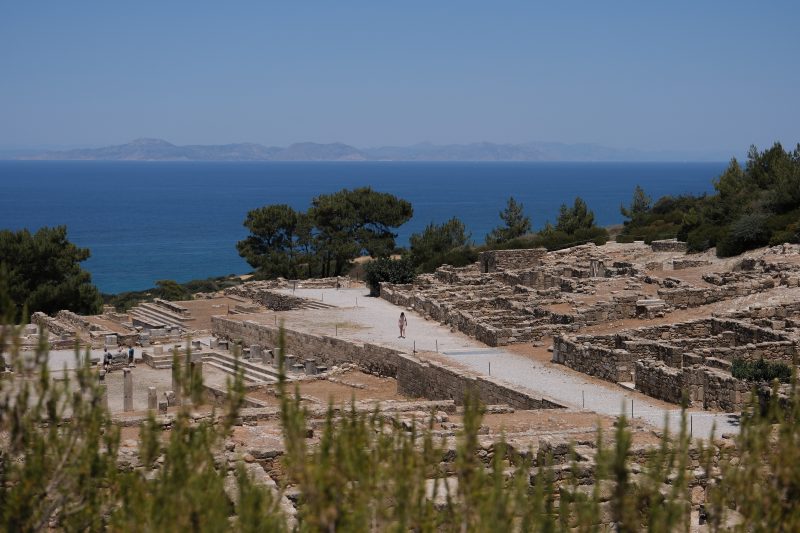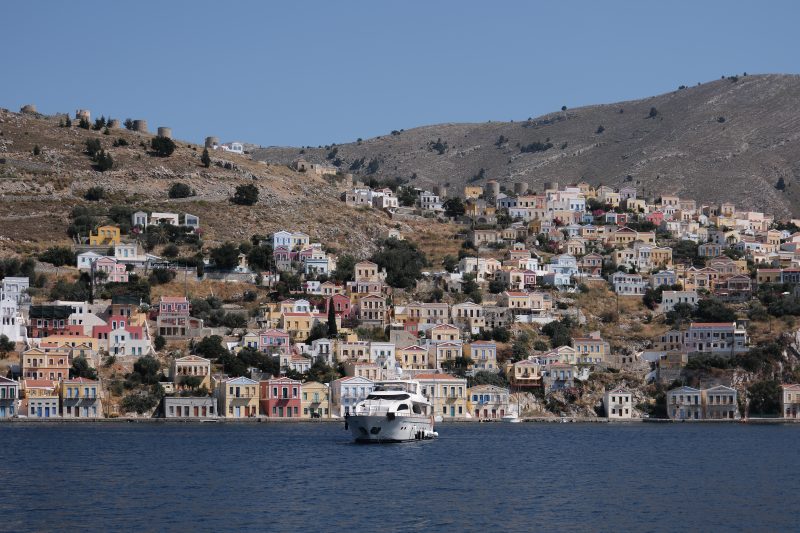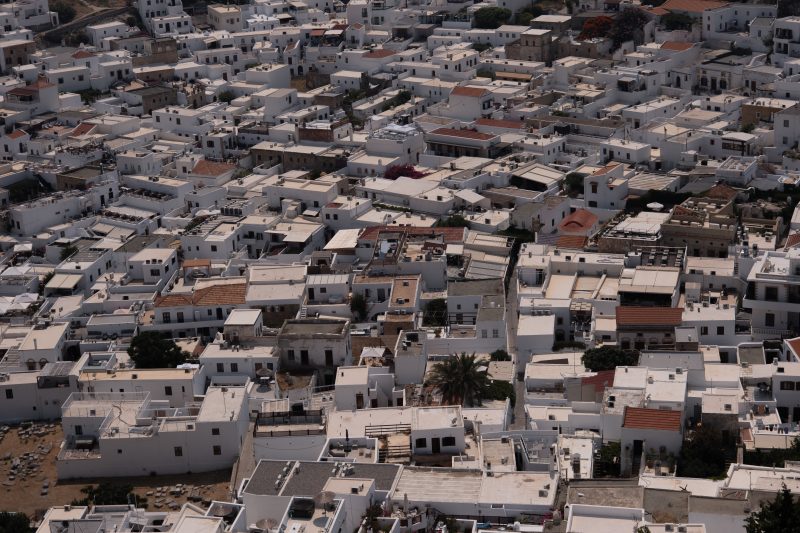
The three-fingered peninsulas of Halkidiki stretch south into the Aegean like the prongs of a fork, each cloaked in pine forests that spill down to golden shores. For many travellers, this part of northern Greece is synonymous with beaches: the endless sweep of soft sand, crystalline waters, and the easy rhythm of summer days spent moving between a taverna table and the sea. However, move inland, beyond the coves and coastal resorts and you will find another side to Halkidiki, where, amongst the folds of its mountains, in stone-paved lanes, quaint villages lie. Places where tourism hasn’t quite taken over, and the traditional life still dominates.
Here, in these settlements, the past still feels close. Ottoman-era houses lean over cobbled alleys, their wooden balconies painted in shades of turquoise and gold. Byzantine towers stand guard above fishing harbours, recalling centuries of monastic power. Squares shaded by plane trees echo with church bells and the murmur of voices over thick, strong coffee. This is a landscape marked by resilience and resurgence: villages abandoned in the mid-20th century have gradually been revived by communities founded by refugees from Asia Minor in 1922. These are places where ancient trades such as beekeeping, weaving, and winemaking still thrive alongside modern life.

To wander through these villages is to glimpse a slower, more intimate side of Halkidiki. It’s to taste chestnut honey drizzled over yoghurt in a mountain hamlet, to watch fishermen mend their nets in the last light of day, or to sip tsipouro in a plaza while children play barefoot on the stone. At the same time, these settlements are not frozen in time; they’re lived-in, authentic, and deeply connected to their landscapes. And each has its own character.
From the mountain stronghold of Arnaia to the artistic streets of Afytos, the fragrant honey lanes of Nikiti to the reborn stone houses of Parthenonas, and the Byzantine echoes of Nea Fokea, here are five villages that capture the essence of Halkidiki beyond its beaches.
Afytos (Afitos)
Afytos, sometimes spelled Afitos, sits high on a clifftop on the Kassandra peninsula, gazing across the deep-blue Toroneos Gulf. It’s one of Halkidiki’s most striking villages. Narrow streets wind between honey-coloured houses built from the local sandstone, their walls softened by cascades of bougainvillaea and geraniums. From the village’s edge, the horizon stretches unbroken into the distance, with the Aegean glimmering below.
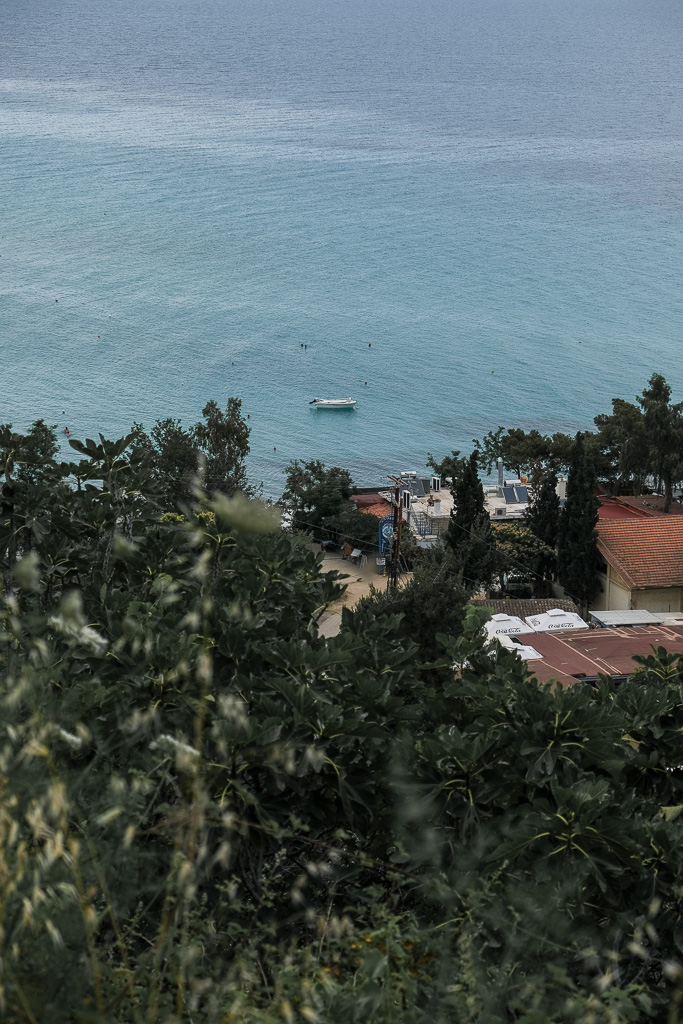
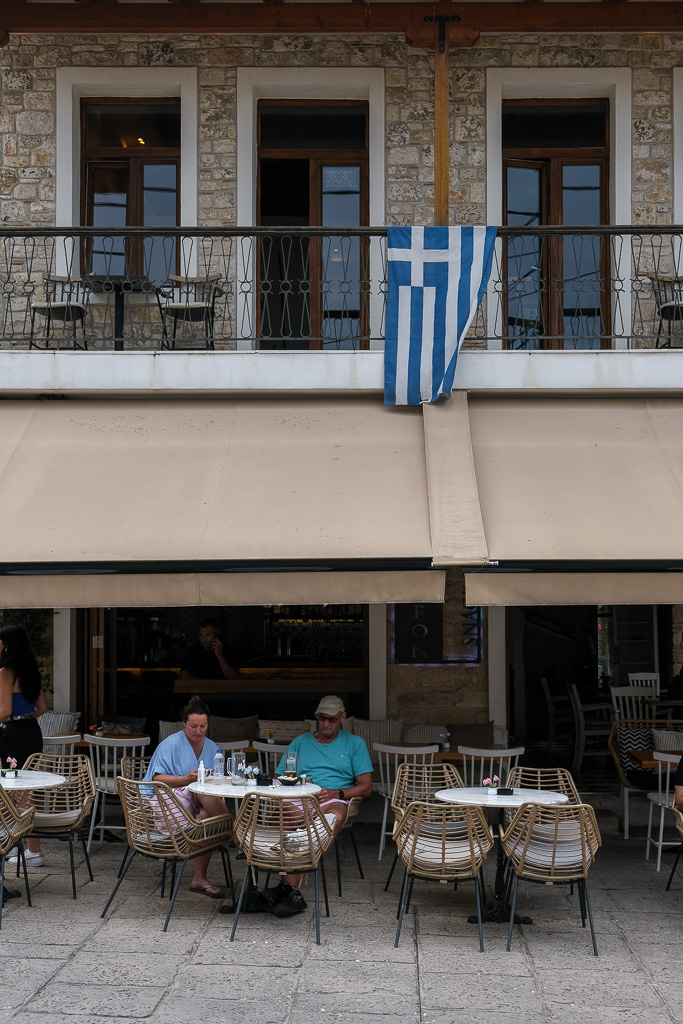
Afytos’ story goes back millennia. Known in antiquity as Aphytis, it was once a place of worship for the god Dionysus and the Egyptian deity Ammon Zeus. Archaeological remains from that era, temple ruins and votive reliefs, have been unearthed nearby, reminders that this has long been a place where people sought beauty and meaning. In the 19th century, Afytos thrived as a farming and fishing community, producing olives, wine, and grains. When tourism swept across Kassandra in the 20th century, many villages saw their traditional fabric eroded. Afytos, however, resisted. A local movement in the 1970s and 1980s worked to preserve its stone architecture and character, making it one of the best examples of heritage conservation in Halkidiki.

Today, Afytos is a mix of lively tourism and an authentic Greek village: an artists’ haven with galleries tucked into old stone buildings, a foodie stop with tavernas perched over the sea, and a living village.apibus leo.
Why Visit Afytos?
Afytos is where Halkidiki’s traditional culture meets its natural splendour. You can spend the morning wandering narrow alleys lined with craft shops, the afternoon on sandy coves at the foot of the cliffs, and the evening watching the sunset from a terrace high above the gulf. It’s one of the best places in Halkidiki to combine coastal beauty with historical atmosphere. At the same time, it’s sophisticated enough to offer boutique hotels and wine bars, yet rooted in a village atmosphere that makes you feel part of something older and more enduring.
Where to Stay in Afytos
Rigas Boutique Hotel – Housed in a restored 19th-century mansion at the village’s edge, Rigas Boutique Hotel exemplifies understated elegance. Stone walls frame airy rooms decorated with wrought-iron beds, wooden floors, and crisp linens. Many rooms have balconies that open directly onto sweeping views of the Toroneos Gulf, offering views of sunrises and sunsets over the sea. The hotel’s courtyard, shaded by olive trees, is perfect for leisurely breakfasts of local cheeses, fresh bread, and homemade preserves.
Blue Bay Hotel – Just outside Afytos, perched on a hillside overlooking the gulf, Blue Bay Hotel feels like a tranquil escape. Its terraced gardens face the sea, dotted with pines and lavender bushes, while an infinity pool seems to blend into the horizon. Rooms are bright and spacious, many with panoramic balconies that capture the sweep of coastline all the way to Sithonia. The restaurant here is a destination in itself, serving creative Greek cuisine with a focus on Halkidiki’s seasonal produce.
Where to Eat & Drink in Afytos
Thea Thalassa – Perched right on the cliff edge, Thea Thalassa, or view of the Sea, is arguably Afytos’ most iconic taverna. Wooden tables spill across a terrace shaded by vines, offering front-row seats to the water below. The menu celebrates the sea: grilled octopus with lemon, shrimp saganaki bubbling in tomato and feta, and whole fish roasted with herbs and olive oil. Locals swear by the seafood risotto, while visitors linger long into the night over carafes of white wine as the lights of Sithonia twinkle across the water.
Sousourada Restaurant – A more contemporary option, this stylish spot blends traditional meze with inventive twists. The menu might feature smoked mackerel with beetroot purée, or pork slow-cooked in honey and thyme. The décor is just as playful, with mismatched chairs, colourful murals, and shelves stacked with local wines. It attracts a younger crowd, including artists and writers who live in Afytos, making it one of the village’s most creative dining addresses.
Notos Cafe – If you’re after something more casual, especially for aperitifs or lighter eats, Notos Cafe-Bar is a strong pick. Overlooking the bay, it’s got a relaxed vibe, good cocktails, and a setting that leans more café/lounge than full-taverna. Great for early evening drinks as the light fades, or for sitting awhile after dinner with dessert and wine.
Okeanides – This restaurant sits along the coastal walk at the edge of Afytos, in a location where sea views matter almost as much as what’s on your plate. Okeanides specialises in fresh fish and Greek-Mediterranean cuisine. Think calamari, grilled prawns, anchovies, and other seafood caught locally, often simply prepared so you can taste the freshness. Because of the setting, an open terrace with a view of the water, it’s an ideal spot for a leisurely lunch or relaxed dinner.
Read More: Where to Eat in Halkidiki
Things to do in Afytos
Afytos Folklore Museum
Housed in the 19th-century mansion of Aletras, this museum displays traditional costumes, agricultural tools, and domestic artefacts that tell the story of village life before tourism. The building itself, with its stone arches and shaded courtyard, is a highlight.
Beaches
A footpath winds down from the village to sheltered sandy coves like Varkes Beach. The water here is shallow, clear, and perfect for swimming. In the heat of summer, it’s a refreshing contrast to the village above.
Spend an evening in the main square
Afytos’ square comes alive at dusk, when families gather, children play around the Venetian-style fountain, and tavernas fill with chatter. It’s the best place to get a feel for the vibe of the village.
Old Nikiti
For most visitors travelling to Halkidiki, Nikiti is a modern seaside resort where they can enjoy long sandy beaches, seafood tavernas, and a lively promenade. But just behind this newer façade lies the Old Town of Nikiti, a settlement that feels centuries away from the bustle of the waterfront. Hidden back from the new town on the slopes of Mount Itamos, the old village is a labyrinth of stone-paved lanes and restored Macedonian houses with tiled roofs and arched doorways. Cats bask in patches of sunlight, church bells echo across the hills, and the scent of jasmine drifts through courtyards shaded by vines.
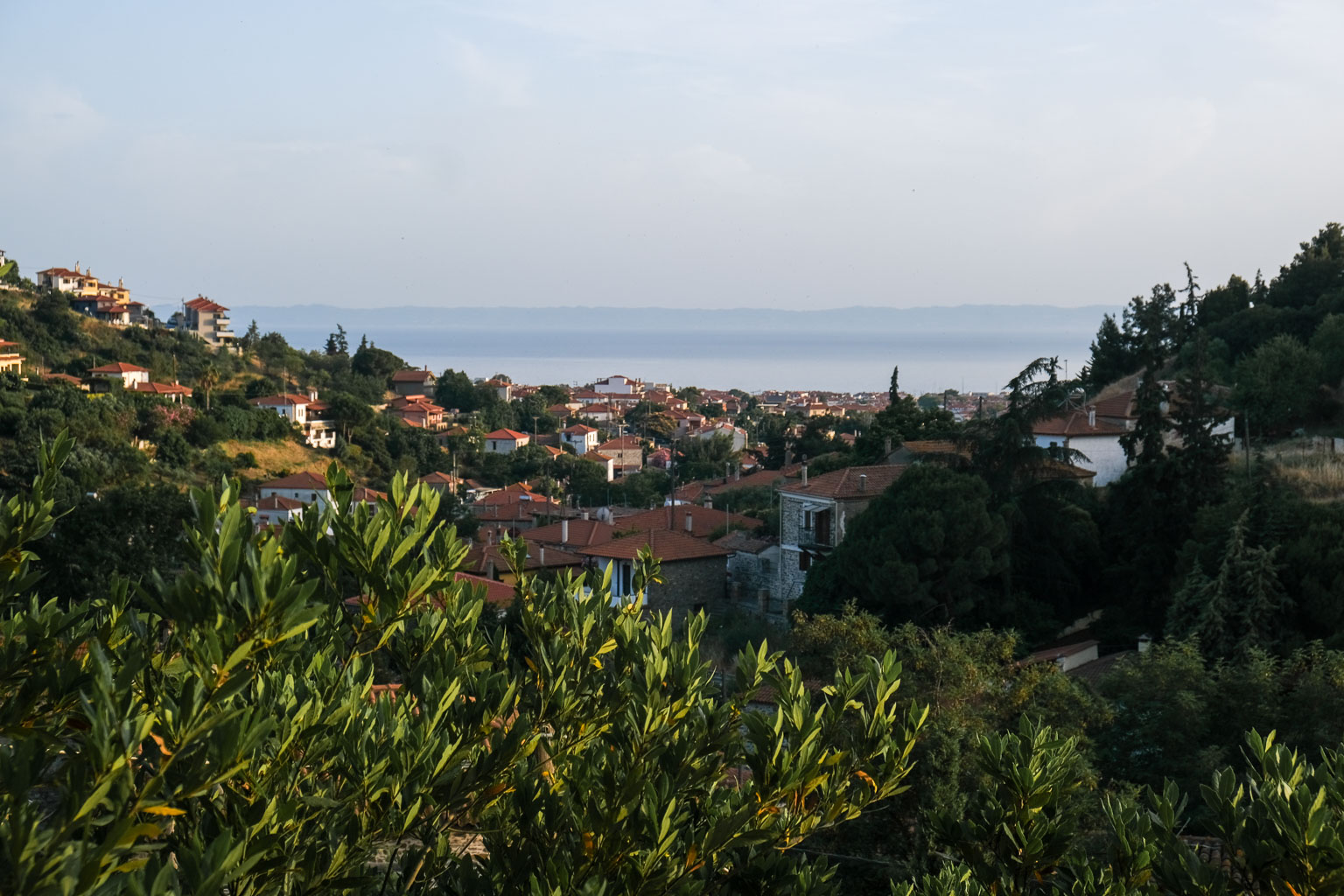
Nikiti’s history stretches back to the 14th century, when it was established as a small agricultural community, its people making a living from olive groves, vineyards, and beekeeping. In Ottoman times, it grew into a prosperous village, with its stone houses reflecting that wealth. The parish church of Agios Nikitas, built in 1867, remains the spiritual heart, its simple stone façade belying a richly decorated interior.


Like much of Halkidiki, Nikiti suffered during the Greek War of Independence and later during the Balkan Wars, when villages were often caught between empires. Many houses fell into disrepair in the 20th century as people moved down to the coast. But in recent decades, the old village has been lovingly revived. Restorations have brought colour and life back to its alleys, and today, the Old Town is one of Halkidiki’s most enchanting places to visit.
Why Visit Old Nikiti?
For those who want to experience Halkidiki beyond the beaches, Nikiti’s Old Town is a place where you can wander unhurried, discovering frescoed chapels and ivy-covered houses at every turn. It’s also a culinary destination, with restaurants serving rustic mountain dishes on quaint terraces lit by lanterns. The contrast with the modern seaside Nikiti is striking: despite being only a kilometre apart, they couldn’t be more different.
Where to Stay in Old Nikiti
Jironi Villa – Jironi villa offers a serene retreat in the tranquil, cobblestone lanes of Old Nikiti, just a short stroll from the village’s 19th-century church and local museum. This beautifully restored stone house combines traditional Greek architecture with modern comforts, making it an ideal choice for couples or small families seeking both authenticity and convenience.
Danai Beach Resort – While not in the Old Town itself but close by on the coast, Danai Beach Resort offers a luxurious counterpoint. This Relais & Châteaux property is one of Halkidiki’s most refined stays: private villas with pools, a world-class wine cellar, and a Michelin-level restaurant set right on the sand.
Where to Eat & Drink in Old Nikiti
Barcarolla – We walked past this spot in the cobbled heart of Old Nikiti, and its terrace, set beneath a canopy of vines with twinkling lights glowing softly in the dusk light, seemed to beckon us inside. It seemed to exude a romantic atmosphere that perfectly matched the old buildings of the Old Town. The menu mixes traditional Greek staples with modern touches, such as octopus carpaccio with citrus, fresh fish baked with local herbs, and slow-cooked lamb paired with seasonal vegetables.
Platanos – Named for the grand plane tree shading its terrace, Platanos sits at the heart of the old village square, where locals gather in the evenings for wine and chitchat. The menu highlights both hearty Greek fare and inventive Mediterranean dishes: risotto with pear and gorgonzola, tender lamb chops grilled to perfection, or rich stews that hark back to family kitchens.
Loft Cafe Bar – Back in Nikiti, when the evening stretches on and you’re not ready for the night to end, Loft Café Bar offers a modern counterpoint to Old Nikiti’s more traditional tavernas. Sleek and stylish, it serves expertly made coffees by day and cocktails by night. Locals gather here for aperitifs before dinner, while tourists enjoy its lively atmosphere and occasional live band.
Kyma Tavern (on the edge of town, toward the sea) – While technically closer to the seafront and far from the tourist centre, many visitors staying in Nikiti make their way down to Kyma Tavern for its reputation alone. Sitting almost at the water’s edge, it lives up to its name (kyma means wave), with panoramic views and the soundtrack of the sea. Fresh seafood dominates the menu: whole grilled fish, shrimp pasta, and fried anchovies. A glass of chilled white wine and a sunset over the gulf make it one of the area’s quintessential dining experiences.
Things to Do in Old Nikiti
Church of Agios Nikitas
The village’s landmark church, built in 1867, offers a glimpse of ecclesiastical art in its icons and frescoes. The annual festival of Agios Nikitas in late August fills the village with music, dancing, and feasting.
Honey Tasting
Nikiti is one of Greece’s honey capitals, producing some of the finest pine and wildflower honeys in the country. Visit a local beekeeping family for tastings and learn how the unique landscape influences flavour.
Wander the streets
Simply wandering is the highlight here. Look out for architectural details like carved wooden balconies, arched gates, and hidden courtyards. Many houses are marked with plaques noting their history. For the ideal combination, spend the day by the sea in modern Nikiti, swimming and enjoying beach bars, then retreat uphill in the evening for a dinner under lanterns in the Old Town
Nea Fokea
On the eastern edge of Kassandra, where green headlands dip towards the Aegean, lies Nea Fokea, a village that combines sandy beaches with one of Halkidiki’s richest historical backdrops. At first glance, it seems like a typical fishing village: One where colourful boats bob in the harbour, tavernas surround the seafront, and the air smells of salt and grilled octopus. But looming above the waterfront is a striking landmark, the 15th-century Byzantine tower of St. Paul, which is what draws most visitors here.

The village’s modern history began in 1922, when Greek refugees from Asia Minor settled here after the population exchange between Greece and Turkey. They brought with them culinary traditions, weaving skills, and a deep sense of community that shaped the village’s identity. But Nea Fokea also holds ties to the early Christian era. It is said that the Apostle Paul preached here in 50 AD, hiding in a cave beneath the present-day church to escape persecution. Today, you are still able to visit that very same cave, a tunnel-like chamber carved into the rock, and sense the weight of nearly two millennia of worship.
The Byzantine tower, built around 1407 by monks of Mount Athos, was originally a fortification protecting the surrounding lands. Though weathered and worn, its silhouette dominates the landscape, especially at sunset when it glows gold against the sea. Together with the cave of St. Paul, it makes Nea Fokea one of Halkidiki’s most significant spiritual and historical sites.
Why Visit Nea Fokea?
Nea Fokea appeals to both history enthusiasts and beach lovers. Few places let you swim in turquoise water in the morning, then explore a 1,500-year-old cave and Byzantine tower in the afternoon. The village also retains a strong local character, thanks to its fishing traditions and Asia Minor heritage, visible in both its cuisine and festivals. With its mix of sacred history, relaxed beach culture, and authentic village life, Nea Fokea is an ideal stop for travellers seeking depth as well as beauty.
where to Stay in Nea Fokea
Kiwi Hotel – Family-run accommodation offering a friendly atmosphere, clean rooms, and a central location just 200 meters from the village square and close to both the beaches and local tavernas
Sani Resort – Only a 10-minute drive from Nea Fokea, Sani is one of Greece’s most celebrated luxury resors. While technically outside the village, it offers world-class facilities: private beaches, a marina, fine-dining restaurants, spas, and a nature reserve.
WHere to Eat & Drink in Nea Fokea
Massalia Taverna – Right by the harbour, Massalia is the quintessential Greek seafood taverna. Nets and buoys hang from the walls, fishing boats sway outside, and the catch of the day is displayed on ice before it reaches the grill. Standouts include grilled sea bream, mussels saganaki, and tender calamari. The house speciality is kakavia, a fisherman’s soup rich with fish, vegetables, and olive oil.
Things to Do in Nea Fokea
Byzantine Tower of St. Paul
The 15th-century tower is Nea Fokea’s signature landmark. Climb the slope at sunset for spectacular views of the harbour and gulf. Occasional summer events, including concerts, bring the site to life.
Cave of St. Paul
Accessible via the church of the Apostle Paul, this narrow underground passage leads to a small chamber where, according to tradition, the apostle once hid. Pilgrims still visit, lighting candles to illuminate the gloomy cavern.
Fishing & festivals
The annual Feast of St. Paul (June 29th) is one of the village’s biggest celebrations, drawing pilgrims and visitors for church services, processions, and lively feasting in the square. Fishing excursions can also be arranged with local captains, offering a chance to experience the village’s maritime traditions firsthand.
Arnea
High in the Holomontas Mountains, Arnaia is one of Halkidiki’s most captivating inland villages. Its narrow lanes twist between brightly painted houses, some in shades of ochre, others sky blue or pale green, their wooden balconies overhanging in a style typical of Macedonian architecture. The soundscape here matches the setting: church bells ringing across the valley, while locals gather in the main square to the sounds of chatter and the clink of spoons against tiny coffee cups in shaded cafés.

Arnaia’s history runs deep. The first records of the settlement date to the Ottoman period in the 15th century, when the village prospered thanks to its location on trade routes linking Thessaloniki to the Aegean coast. By the 19th century, it was a thriving community, known not only for its agriculture but also for its craftsmanship. Women here were celebrated weavers, producing intricate textiles that adorned homes across Macedonia. This tradition is carefully preserved today in the village’s Textile Museum, where old wooden looms still clatter and vibrant fabrics recall a domestic art form once central to village identity.


Surrounding the village are forests of pine, fir, and chestnut, which have shaped Arnaia’s other great claim to fame: its honey. Beekeeping remains a cornerstone of life, with locals producing honey that varies from season to season. Shops here sell a wide variety: dark and aromatic chestnut in autumn, golden pine honey in summer, and delicate wildflower honeys in spring. It’s no coincidence that jars of honey are sold in almost every shop, proudly bearing the name of the village.
Why Visit Arnea?
While picturesque, Arnaia isn’t a polished museum-piece, but remains a working village where traditions continue into modern live. Walking the streets, you’ll still see elderly women embroidering in doorways and taste honey that is produced in the same manner that it has been for centuries. In autumn, the Chestnut Festival fills the air with the smell of roasting nuts, while spring and summer bring cooler mountain breezes that make Arnaia an ideal escape from the coast’s heat
Where to Stay in Arnea
Oikia Alexandrou – This boutique guesthouse offers a more contemporary interpretation of the village’s hospitality. Set in a renovated house, its suites combine stone walls with crisp white linen, antique furniture with modern lighting. The courtyard garden is a highlight: It’s a leafy, flower-filled space where you can linger over a cup of coffee. The owners are passionate about promoting local traditions and can arrange visits to beekeepers or suggest hiking routes into the Holomontas forests.
House Mitsiou Traditional Inn – Set in a brightly painted 19th-century mansion just steps from the central square, this beautiful old house has been restored with care and pride. Rooms are colourful and inviting, with dark-wood furnishings and embroidered linens, while breakfast is a feast of local produce, including honey from nearby hives, homemade bread, and rich cheeses.
Chorostasi Mansion – Another historic property in the heart of the old town. Here, stone walls and timber beams frame interiors that feel both rustic and elegant, and balconies overlook the village square below.
WHere to Eat & Drink in Arnea
Αristotelous cafe – This old-fashioned café is the village’s social hub. Inside, mismatched furniture and cool artwork give it an eclectic feel, while outside, under the shade of a plane tree, locals sip strong Greek coffee and debate village news. There’s a shop selling local gifts and trinkets inside. Order a glass of ouzo and a small meze plate of olives and cheese, and let the daily life of Arnaia wash over you.
Bakatsianos Taverna – Perhaps the most beloved dining spot in Arnaia, Bakatsianos is the place to go to get a taste of mountain cuisine. The menu changes with the seasons: wild mushroom stews in autumn, roasted lamb in spring, game dishes in winter. Locals recommend the goat cooked slowly with herbs, served alongside fresh village bread baked in wood-fired ovens.
Honey Shops – Don’t miss the chance to step into one of the family-run honey stores lining the main streets. Many offer tastings: pine, orange blossom, and wildflower honeys are drizzled onto yoghurt, while honeycomb and royal jelly products make for distinctive souvenirs. They are usually a good place to pick up some local liqueurs and spirits too.
Things to Do in Arnea
Textile Museum & Folklore Museum
Two of Arnaia’s cultural gems, housed in restored mansions, where visitors can see traditional costumes, weaving looms, and artefacts of daily life from the 18th and 19th centuries.
Chestnut Festival (October)
A lively annual celebration where villagers roast chestnuts in great cauldrons, serve honeyed desserts, and dance to folk music late into the night.
Hiking Trails
From the village, paths lead deep into the Holomontas forests. One of the most popular routes winds through chestnut groves and fir trees to panoramic viewpoints, where Halkidiki’s three peninsulas stretch out in the distance.
Parthenonas village
Perched high on the slopes of Mount Itamos, overlooking the Toroneos Gulf, Parthenonas is often described as the balcony of Sithonia. From here, the sea glimmers far below while the dense forests of oak, pine, and chestnut surround the village and stretch inland. It is, without question, one of Halkidiki’s most picturesque villages; The stone houses cling to the hillside, each covered in red tiles, and narrow alleys open onto sweeping views that take in both Kassandra and, on a clear day, Mount Olympus itself.
Parthenonas has a long history. First mentioned in Byzantine records of the 10th century, the village thrived for centuries as a farming and winemaking community. But like many mountain villages, it fell into decline during the 20th century as residents left for the coast or Thessaloniki in search of work. For decades, Parthenonas was semi-abandoned, its stone mansions left to crumble into ruin.
Thankfully, in the 1970s, a group of locals and German expatriates began restoring the old houses in the traditional style, using original materials and craftsmanship. Today, Parthenonas is a model of heritage preservation and a monument to Halkidiki’s architectural and cultural identity. Walking through its streets feels like stepping into a well-preserved past, although it hasn’t recently had new life breathed into it, thanks to the emergence of new guesthouses, tavernas, and artisan workshops.
Why Visit Parthenonas?
Parthenonas offers a unique combination of history, authenticity, and natural beauty. It’s quieter and less crowded than Afytos or Nikiti, making it ideal for travellers seeking a little more tranquillity. Here, you can wander cobbled lanes without bumping into too many other tourists, dine on hearty mountain cuisine in a taverna with a view, and hike into the forests. Yet it also has a cultural richness, thanks to its folklore museum and festivals, that makes it more than just a scenic stop.
Where to Stay in Parthenonas
Parthenonas Guesthouses – Several lovingly restored stone mansions in the village have been transformed into atmospheric guesthouses. They’re small, family-run, and full of character: think timber ceilings, handmade rugs, and terraces overlooking the gulf. Most offer homemade breakfasts featuring mountain honey, local cheeses, and pies baked with foraged greens. Staying here means waking to the sound of roosters and church bells, with the smell of pine and woodsmoke in the air.
Porto Carras Resort (in nearby Neos Marmaras) – For those who prefer luxury and only want to pay a flying visit to Parthenonas, Porto Carras, just a short drive away on the coast, offers a very different experience. This vast resort has golf courses, a marina, a winery, and a spa, yet it pairs beautifully with excursions into the hills. Many guests spend days at the resort’s beaches, then head up to Parthenonas for dinners and sunsets, combining mountain atmosphere with seaside indulgence.
Where to Eat & Drink in Parthenonas
Paul’s Taverna – A legendary spot in Parthenonas, Paul’s is set in a stone building with a terrace that opens to breathtaking views over the gulf. The food is mountain-style and hearty: wild boar stew with red wine, rabbit braised with herbs, and local sausages grilled to perfection. Seasonal dishes, like chestnut soup in autumn or nettle pie in spring, reflect what the surrounding forests and fields provide. Meals are accompanied by carafes of local red wine, live music, and Paul himself often appearing to chat with guests.
Things to Do in Parthenonas
Parthenonas Folklore Museum
Housed in a restored mansion, this small but evocative museum showcases artefacts of rural life, such as weaving looms, farming tools, and traditional costumes, while telling the story of the village’s decline and revival.
Hiking trails
rails lead from the village deep into Mount Itamos, passing through forests of oak and pine that are perfect for spotting birdlife. One popular route takes you to ancient oak trees said to be centuries old, while another winds down towards Neos Marmaras.
Village Festival (August 15th)
On the Feast of the Dormition of the Virgin Mary, Parthenonas erupts into celebration. Music fills the square, tables are laden with food, and visitors are welcomed as warmly as locals.