
It is here that Henry the Navigator is believed to have set up his school of navigation (a statue of him stands pround in the main square) and is the point from which explorers set out to colonise the Azores and Madeira. Later, following Henry’s death in 1460, alumni from the school of navigation went on to become some of Portugal’s most famed navigators, such as Pedro Álvares Cabral and Ferdinand Magellan. Unfortunately, Sagres became less and less important as Lisbon became the nation’s main departure point.
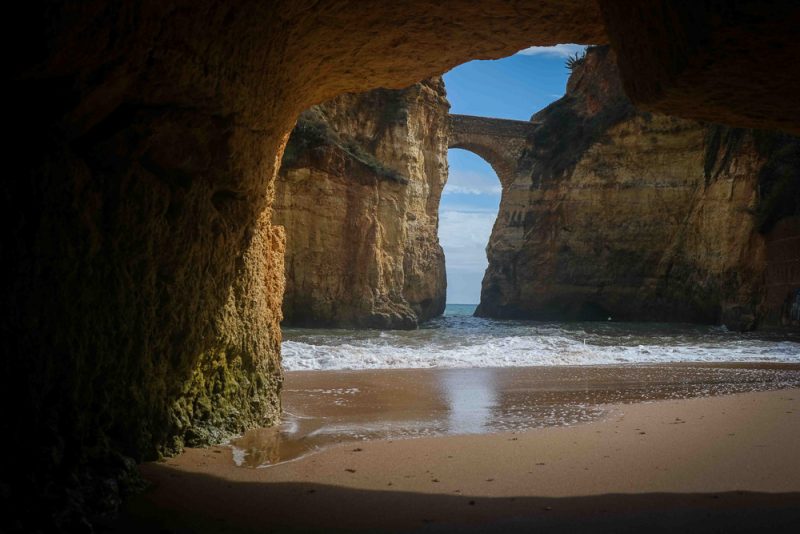
Thankfully, Sagre’s fortunes turned around in the 1960s thanks to tourism and the seemingly endless waves that entice surfers and water sports enthusiasts from all over the world. In turn this has led to an explosion in the number of hostels, surf schools and relaxed cafes that occupy this otherwise rather nondescript town. Thankfully, Sagre’s fortunes turned around in the 1960s thanks to tourism and the seemingly endless waves that entice surfers and water sports enthusiasts from all over the world. In turn this has led to an explosion in the number of hostels, surf schools and relaxed cafes that occupy this otherwise rather nondescript town. Sagres may not have much to offer the casual tourist, but you are certain to find some appeal in the stunningly beautiful beaches and some of the most extraordinary scenery that the Algarve has to offer.


How to Get to Sagres
Sagres sits at the very southwestern tip of Portugal and as such, isn’t the easiest of destinations to reach. The nearest airport is Faro, 113 km east and 1 hour 25 minutes away by car. Driving is the most convenient way to travel around the Algarve, especially if you are looking to explore some of the more remote areas not accessible by the region’s (relatively extensive) public transport network.
The quickest route is via the A22 Algarve Highway but you should be aware that this road does have an electronic tolling system. Taking the N125 any toll booths but does add another 45 minutes to the journey.
If you are attempting to visit Sagres by public transport from anywhere in the Algarve, it is best to first travel to Lagos where you will be able to catch a direct bus (number 47). Both buses and trains between Lagos and Faro leave hourly and take around an hour and a half.
VISITING SAGRES ON A DAY TRIP
Most people passing through Sagres visit on a day trip from Lagos. This is easy enoight to do via public transport as the number 47 bus travels between Av. dos Descobrimentos in Lagos and Sagres main square almost hourly during the summer months. However, be aware that that the last bus between the two towns is usually around 6 or 7pm. The journey takes approximately one hour each way.
Getting Around Sagres
Sagres itself is relatively compact and all of the sights with the town can be reached easily on foot. If you are looking to explore the wider area, it is highly recommended that you choose to rent a car.
If you are hoping to visit Cabo de São Vicente, the number 47 bus does travel between Sagres and the lighthouse (with a stop at Praia do Beliche), but only 3 times a day at 11.04am, 2.51pm, and 4.04pm.
Where to Stay in Sagres
Sagres doesn’t have the same breadth of hotel choice as some of the Algarve’s more popular resort centres, with the selection focusing more on the younger crowd that flock here to surf. However, there are a couple of family-friendly hotels and a good number of small guesthouses dotted around the town.
Design Hotel
Memmo Baleeira
Sitting on a clifftop high above the fishing port of Baleeira, the stylish Memmo Baleeira design hotel is one of Sagres’ best. Many of the 144 minimality styed rooms offer unrivaled views of the area’s rugged and rocky coastline while the outdoor pool and spa are great places to unwind after a day of surfing.
GuestHouse
LemonTree Eco Surfhouse
Bringing a bit of boho-chic to Sagres, the LemonTree Eco Surfhouse is a cute, little 3-room B&B catering to surfers and outdoor enthusiasts. Their eco-friendly credentials are an added bonus.
Hostel
Sagres Sun Stay
The perfect spot for surfers looking to mingle and meet like-minded people, this cool hostel features a fantastic outdoor swimming pool, terrace, and bar as well as offering surf lessons to beginners. Both dormitories and private rooms are available.
The Best Things to do in Sagres
Most people make the way to Sagres for surfing and beaches, but this unassuming area of the Algarve has plenty of history to explore, especially as it was pivotal in Portugal becoming a wealthy seafaring nation of centuries past.
Fortaleza de Sagres
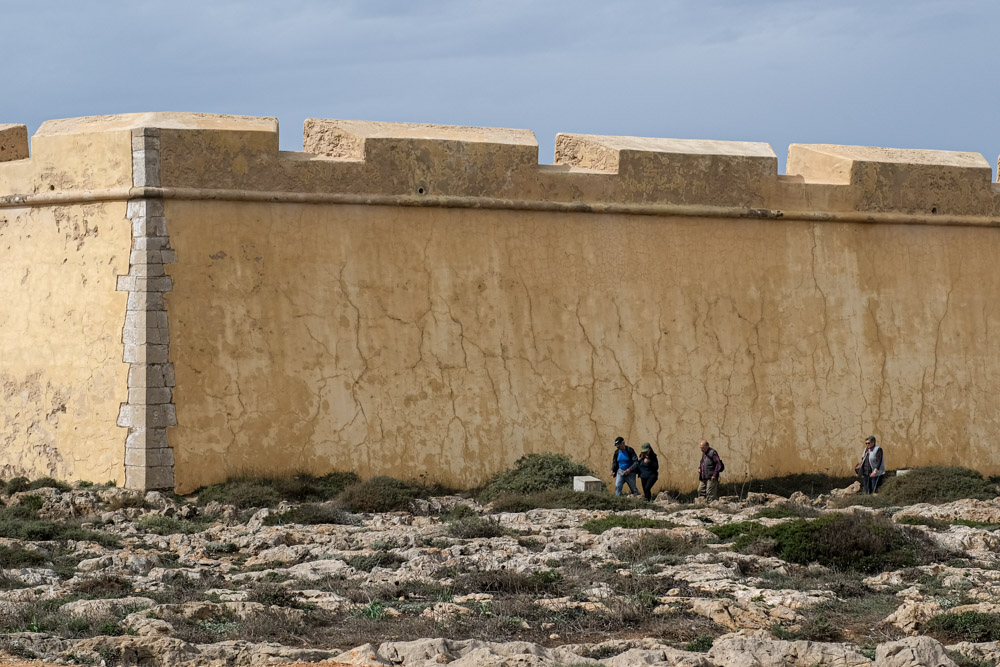

Some buildings do remain though, despite many of the 17th and 18th century ruins being cleared during the 1960s. Most notable of them is the Nossa da Graca church, a 16th century chapel that contains a beautifully guilded altarpiece.
The site is open daily from 9.30am to 5.30pm and entry costs €3.
Lighthouse of Cabo de São Vicente
What was thought to be the end of the world until the 14th century, the most southwesterly point of continental Europe is marked by a beautiful lighthouse that sits atop the rugged 230ft tall cliffs. Built in 1846, it is said that its 3000-Watt lamps are visible from 90 Km away, making it the most powerful lighthouse in Europe.
The cape itself lies 6km north of Sagres and was one of the last pieces of land that Portuguese sailors would see before heading into the unknown Atlantic. However, the area has been revered for millennia, with the Roman’s referring to it as Promontorium Sacrum and its modern name comes from a Spanish priest that was martyred by the very same Romans.
Nowadays, it is one of the most visited places in the Algarve and the lighthouse complex contains a shop, café and small museum (€1.50 admission). It is worth noting that one of the food stands here is of particular interest to German tourists as it sells traditional Bratwurst imported all the way from Germany that is served with a certificate stating that it is the last bratwurst to be found before reaching the Atlantic.
If you want to look inside the lighthouse, it is open on Wednesday afternoons between 2pm and 5pm. Entry is free of charge and the lighthouse keeper will give a guided tour to any visitors that wish to see it.
Porto da Baleeira
Sheltered beneath the cliffs on the eastern side of Sagres you will find Porto Da Baleeira, a working harbour where some Algarvios still make a living from the sea. This isn’t an area tidied up for tourists and is an intriguing glimpse into local life that you don’t always see in the region’s more popular tourist hotspots.
The best time to visit is in the afternoon when the boats slowly start to make their way back to the harbour laden with the day’s catch. Make sure to visit the bustling fish auction that takes place here from 3pm each weekday. It has a reputation of being one of the best in Europe and people come from all around to bid on the crates of seafood as they are unloaded. For the best view, head up to the small restaurant that overlooks the auction hall and watch through the floor to ceiling windows while enjoying a glass of beer or local wine.


Hike a section of The Fishermen's Trail
The Rota Vicentina is a long-distance path along the Southwestern coast of Portugal, between the city of Santiago do Cacém and the Cape of St. Vincent, in Sagres, before heading east along the southern shoreline towards Lagos. The entire trail covers more than 340 km of one of the most beautiful and best-preserved coastlines of southern Europe.
It is split into two differing itineraries, the Historical Way and the Fisherman’s trail. The historical way totals 263km and runs through the main towns and villages of the west coast, giving you a great insight into the rural history of the area. The Fisherman’s trail on the other hand clings to the coastline for 226km, following the routes used by the locals to access the beaches and fishing grounds.
While completing the entire trail is a huge undertaking, each path is split into 13 smaller sections, meaning it is easy enough to join the route at any point and complete portions of it as you choose, such as the area between Sagres and Lagos.
If you choose to hike the coastline, it is worth stopping off at Reserva Biogenetica de Sagres, a protected nature reserve that sits between Fortaleza de Sagres and the Cabo Sao Vicente. Showcasing the vast array of the Algarve’s varying coastal habitats – from dunes and cliff faces to marshes and lagoons – this is a paradise for both naturalists and birdwatchers. The best time to visit is in the Autumn, when booted eagles, Egyptian vultures and honey buzzards all make this a stop on the migratory path.
Learn to Surf
The crashing Atlantic swells make Sagres a haven for Portugal’s surfers and this part of the Algarve has quickly earned a reputation as one of Europe’s best surfing destinations.
The variety of headlands means that some beaches and bays are much more sheltered than others, making surfing here accessible to all abilities. For instance, the coastline between Sagres and Lagos produces gentle waves ideal for beginners while the beaches north of Cabo de São Vicente can produce towering swells that are only for the most advanced of surfers. Praia do Amado even hosts a leg of the World Surfing Championship.
There are plenty of surf shops dotted around Sagres where you can rent boards and wetsuits, as well as surf schools offering one-off lessons and surf camps which bundle together equipment, accommodation and lessons in one package.
If riding the waves all day isn’t your idea of a good time, local agencies also offer kayak and coasteering excursions.

Where to Eat & Drink in Sagres

Bossa Brew House
Although Sagres shares its name with a well-known brand of Portuguese beer, one of the nation’s most famous mass-produced lager is actually brewed almost 200km away in Lisbon. Fortunately the town of Sagres has something much better; a small-scale microbrewery in the form of Bossa Beer.
Here you can sit amongst the brew kit and fermentation vessels while sipping on flights of At Bossa Brew’s own selection as well as a range of beers from the best breweries in the Algarve. Expect live music every Thursday and a menu packed with meaty array of dishes from octopus carpaccio and juicy black angus steaks to pork cheeks in beer and fish & chips.
Where: Patio atras Dromedario Bar, R. José Luís
When: Mon to Sat 4pm – 11pm
Nortada Beach Bar
Set in a pretty blue beach hut Sitting just off the sands of Martinhal, Nortada is perfectly placed if you want to grab a bite to eat without having to leave the beach and traipse back into town. While the menu has all of the usual sandwiches and burgers that you would expect to find, I recommended opting for the grilled fish of the day.
Where: Martinhal Beach
When: Daily 12pm – 9.30pm
Three Little Birds
Offering a nice little garden hideaway and chilled vibe, Three Little Birds is one of the best breakfast spots in town but also has an extensive lunch and dinner menu featuring a hearty mix of burgers, burritos, quesadillas, and nachos that are bound to replenish those calories you’ve burned while riding the waves. The vegan/vegetarian selection is great, and they have an extensive list of cocktails and local craft beers.
Where: R. do Mercado
When: Thurs to Mon 9am – 11pm


A Sereia
A Sereia is a simple, no-frills seafood restaurant that sits above the auction hall on Baleeira’s harbourside. While it does have a nice outdoor terrace, the real joy comes from sitting inside next to the large glass windows and watching the lively auction (Mon – Fri 3pm) take place below.
As you can imagine, fish here doesn’t get much fresher than this. Just pick your fish from the chilled glass cabinet (sold by weight) so that it can be whisked outside and grilled before being brought back to you plated with fries and salad. While the fish can be a little pricey, the beer and wine is cheap making a late lunch here very much worth your while. Just be sure to either reserve a table or arrive early because the fish sells out quickly.
Where: Porto de Pesca da Baleeira
When: Mon to Fri 8am – 4pm
Picnic
Picnic is the place to go in Sagres if you have a passion for cool magazines, specialty coffee, pastries, craft beer, or natural wines. In my case, it’s all of the above and a visit to this chilled-out cafe is a must when in Sagres.
Where: Estrada Nacional 268
When: Closed Tuesdays & Wednesdays
A Sagres
A cosy, rustic interior filled with wooden beams and traditional azulejos greets visitors to A Sagres and they will soon find that the menu is as no-frills as the decor. This is simple Portuguese seafood done well; dishes such as Massinha do Mar, clams, octopus rice and dourada served with sides of salad and potatoes.
Where: Ecovia do Litoral
When: Thurs to Tues 12pm – 5pm and 7pm – 10pm

The Best Beaches Around Sagres
The reason that most people visit Sagres is to surf and thankfully, the town has a number of decent beaches that are within walking distance of the main square. To the east of Fortaleza de Sagres you will find the lovely Praia da Mareta and the longest beach, Praia do Martinhal, which is a 10-minute walk over the headland and backed by a purpose-built resort. Of the town’s beaches, these are the most sheltered and better for families looking to swim.
Surfers tend to head west of the Fortress to the beautiful Praia do Tonel where the waves swell a little higher. 2km further towards Cabo de São Vicente you will find Praia de Belixe hemmed in by cliffs where the waters can become even wilder on windswept days thanks to the whipping Atlantic breezes. If you’re heading into the water at either Tonel or Belixe, just be aware that currents can get a little strong.
When is the Best Time to Visit Sagres & the Algarve

The winter months, between November and March, you’ll see far less people and the weather remains fairly pleasant (highs are around 16 degrees). While you will have to expect rain and cold evenings, the cooler climate lends itself to hiking and outdoor pursuits. It is also the perfect time to explore the Algarve’s cultural side as many of the larger towns host musical or theatrical events and come February, the annual carnival festivities see people taking to the streets for parades and parties.
In my personal opinion, the spring and autumn shoulder seasons are when the region is at its best. While you may still experience some rainy days, the weather will mostly be good without being stifling, meaning that beach days, hiking, mountain biking and surfing are all good options. There will also be a lack of crowds, allowing you to find cheaper flight and accommodation options.