Acting as a gateway to the Turkish Riviera and some of the western Mediterranean’s most popular resorts, the rapidly expanding city of Antalya has sat on the Turquoise Coast since its foundation in the 2nd century and over two millennia has come over the rule of Pergamum kings, Hellenistic rulers and both the Roman and Ottoman Empires.
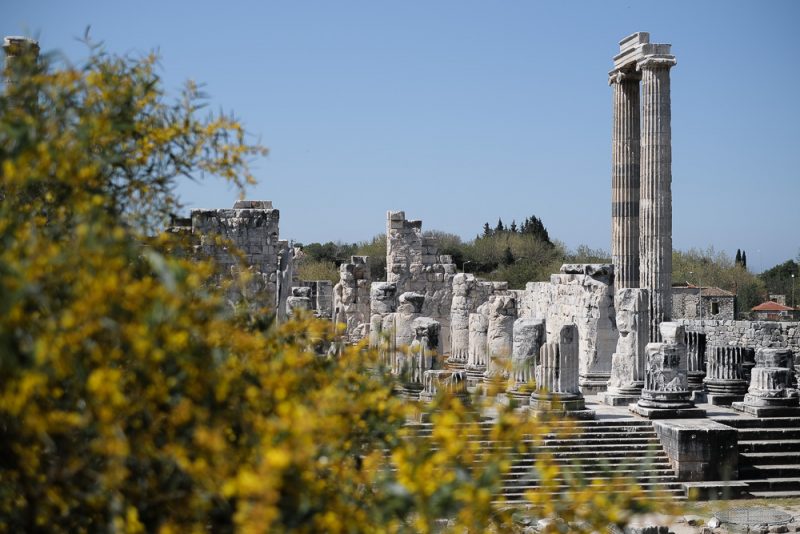
It’s thanks to this historical heritage that this sprawling city has more to offer than the resorts and beaches that surround it. Antalya’s impeccably preserved old-city, Kaleiçi, is teeming with historical gems and interesting places to explore. While most of the beautiful ottoman structures have been repurposed into restaurants, cafes and boutique hotels, it retains a lot of charm thanks to the towering city walls, Roman-era harbour, and sweeping views across the Gulf of Antalya to the mountains that encircle it. Look beyond the city limits and you can find yourself wondering crumbling theatres of antiquity, ancient agoras, and the ruins of bygone settlements that were once visited by Alexander the Great and St. John.
This is the Mediterranean coast at its best; Luxury hotels hug every inch of sandy coastline and the sparkling turquoise waters are backed with the rugged peaks of the Taurus Mountains. With year-round sun and enough cultural heritage to occupy holidaymakers for weeks on end, there is no wonder that Antalya is growing ever more popular as a holiday destination.

A Complete Guide to Visiting Antalya, Turkey
Things to do in Antalya
Visit Kaleiçi (Antalya Old Town)
Long before Antalya became Turkey’s 5th most populous city and the capital of the eponymous region, it was the Hellinistic port city Attalia, later absorbed into the Roman Empire before coming under the rule of the Seljuk Sultanate in 1207 and an expanding Ottoman Empire in 1391.
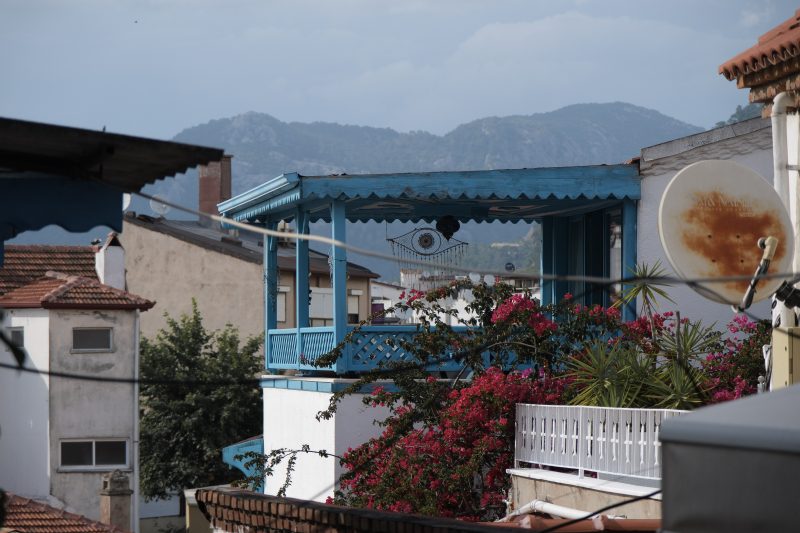
In Kaleici, Antalya’s old town, these layers upon layers of history visible on every street corner. There are no permanent residents here, with the vast majority of the protected and well-preserved Ottoman homes given over to hotels, bars and restaurants, meaning this living museum is firmly given over to tourism. However, that doesn’t make the area any less charming.
Kaleici is centred around a beautiful and compact 2nd century Roman harbour and spreads out into a maze of alleyways and lanes that made up the 15th century bazaar. While eating, drinking and shopping options are enough to occupy most visitors, there is still an abundance of historical wonders to see, most notably the ornate and monumental Hadrian’s Gate and Yivli Minare, a 13th century fluted minaret and adjacent mosque that have become symbols of the city.


Perge Ancient City

The exact origins of Perge are not well-documented but it is believed to have been founded by the Hittites around 1500 BCE, although, the earliest archaeological finds from the area are dated to the end of the fifth millennium BC. The oldest traces of continuous settlement begin in the third millennium BC and with the city remaining occupied until the Byzantine era. However, it was during the Hellenistic period that Perge flourished and became a prosperous city. It was under the rule of Alexander the Great in the 4th century BCE that the city became part of the Seleucid Empire, and later, in the 2nd century BCE, it came under the control of the Pergamon Kingdom.
Perge reached its peak during the Roman period when it was known for its well-planned streets, grand architecture, and advanced infrastructure. They developed the city further, constructing impressive buildings that can still be seen today such as a theater (the third largest of its kind in Turkey that could seat 12,000 people), a remarkably well-preserved Roman stadium, and an extensive bath complex.


Perge can be visited daily from 9am to 7pm in summer months and from 8.30am to 5.30pm in winter. If travelling by public transport, take the AntRay tram to its eastern terminus (Meydan) and from there, catch a minibus to Aksu and walk the final 2km to Perge. Alternatively, travel agencies in Antalya offer day trips that take in Perge, Aspendos and Kurşunlu waterfall all in the same trip. It is worth noting that this is a large site and you should allow at least 2 hours to see it in its entirety.
Termessos
Sitting high in the rugged mountains of the Güllük Dağı Termessos Milli Parkı National Park 34km north of Antalya, the ancient city of Termessos has left behind some of the most impressive ruins that the Mediterranean coast has to offer. While much of this is down to location, the size and untouched quality – this is one of the few sites in the region that has not being partially rebuilt – make it even more atmospheric.
The site is easily accessible by car, with the carpark leading onto the city’s lower ruins where you will find the dilapidated ruins of the city gate, gymnasium and baths. However, the a walk uphill to the upper city walls will lead you to the upper agora and Termessos’ most impressive structure, its theatre – that sits atop a mountain peak offering jaw dropping views of the surrounding hills and even the city of Antalya on a clear day.
The site is fairly expansive but you are free to explore as you wish. However, be aware that although the paths are well marked, some sections are steep and may require you to scramble up rock.
While a guided tour from Antalya is the easiest way to visit the ruins, it is possible to catch a bus from Antalya’s coach station towards Korkuteli and hop off at the entrance to the national park. From there you will need to negotiate a taxi ride for the final 9km to the ruins and back.
Aspendos Theatre
While the historic city of Aspendos may not be as impressive or expansive as its neighbour Perge, people flock here in order to see its ancient theatre, thought to be the best-preserved theatre of antiquity in the entire world.
Construction began during the reign of Emperor Marcus Aurelius in the 2nd century AD and continued to be used until the time of the Seljuk empire in the 13th century where it was repurposed to become a caravanserai.


Although there are ancient theatres throughout Antalya, Aspendos is easily the most impressive. It was built in the traditional Greek style, carved into the side of a hill and had a capacity of up to 9,000 people. Restoration began in the 1930s after Ataturk declared the theatre too fine to go unused and since then, Aspendos has been used as a 15,000-seat venue, hosting the annual Aspendos Opera and Ballet Festival.
It takes around 35-40 minutes to reach Aspendos by car from Antalya. Alternatively, you can take a bus from Antalya to Serik where you can hop aboard one of the Belkıs-bound minibuses that pass by Aspendos.

Land of Legends
As with much of Turkey’s most popular resort areas, Antalya is awash with family friendly activities such as splash parks, fairgrounds and sprawling shopping malls. In Land of Legends, visitors can find a combination of all three.
Centred around a Disney-esque castle (albeit with flourishes of Islamic architecture), Land of Legend’s enormous complex is the perfect family day out as the park offers thrilling rollercoasters alongside tamer toddler-friendly rides, spectacular shows, musical performances and meet and greets with the park’s cast of fun characters.
Once the theme park fun is over, the adjoining mall and restaurant hub that lines the park’s faux venetian canal is a great place to shop, dine, and unwind. There are an array of bars, fine-dining spots and designer outlets to while away your evening, with the underwater world of Nemo Restaurant and Lounge being a particular highlight as it gives diners the opportunity to enjoy a meal surrounded by a wall to ceiling aquarium filled with sharks.
The shopping avenue is open between 10am and midnight while the Theme Park is open from 10am until 6pm year-round. Although the water park is closed during the off season, it is an ideal time to visit the complex itself as you will find that there are almost no queues for any of the park’s rollercoasters. When visiting in November, it almost felt like I had the entire park to myself.
Side
Although it may be one of Antalya’s most visited resort towns thanks to its picturesque harbour, sweeping beaches and bustling streets filled with bars, restaurants and souvenir shops, Side was occupied long before package holidays or Turkey beach holidays were even a thing, dating as far back as the 7th century BCE.
In fact, almost the entire town remains an archeological site, with visitors entering from the car park or otogar having to walk through acres of Roman and Hellenistic ruins, crumbling pillars and the impressive 2nd century theatre that looms over the town’s outskirts.

While visitors are free to explore the majority of the town as they wish, the modest Side Museum has an entry free. Housed in the 2000-year-old Agora Baths, the collection contains a wide array of artefacts discovered in and around this town, such as statues, friezes, coins, and sarcophagi.
Of all the ancient wonders on display in Side, it is probably the Temples of Apollo and Athena that are the most iconic. These two gods were the deities of Side and while Apollo eventually became the more important to the ton’s citizens, the columns of Athena’s 2nd century structure have been reconstructed and stand illuminated on the shoreline, providing an atmospheric backdrop for evening coastal walks.
Side’s museum is open from 8.30am until 18.45 during summer and from 10am until 4pm in winter.


Antalya Museum
For those that visited Perge and wanted to see more of the artifacts dug up from the ancient city, Antalya’s Archeological Museum features statues and sculptures recovered from the site as well as remnants from Lycia, Pamphylia, and Pisidia.
This unmissable museum is one of Turkey’s largest, spread across 2 floors and 14 exhibition halls with a collection that spans over 5,000 years of history representing time periods and cultures that once thrived in Anatolia. From the Paleolithic era to the Roman Empire, the exhibits provide a comprehensive insight into region’s archaeological heritage.
Highlights include the hall of Gods, containing 20 sculptures of gods and goddesses brought from ancient cities around Antalya and the Theatre of Perge which displays friezes, reliefs and statues recovered from the nearby archeological site.
The museum is open every day from April to October between 8.30am and 6.45pm. In the months of October to April, opening times are 8.30am to 5.30pm. It is just a 15-minute walk from Kaleiçi on Konyaaltı Street and can be easily reached by taking the tramway and alighting at Müze station.
Take a Boat Tour from Antalya's Harbour
Antalya’s pretty Roman Harbour served the city from the 2nd Century BC until fairly recently, providing a lifeblood and income for its citizens as trade and fishing boats made their way to the shores from the Med until it was eventually replaced by a new port just 12km west.
Nowadays the harbour’s main trade is tourism, occupied mostly by luxury yachts excursion vessels since its extensive restoration during the 1980s. Despite being small, it’s a charming sight and it’s easy to see why holidaymakers flock here to enjoy evenings at the restaurants and bars that line the wharf: hemmed in by towering cliffs and stone walls, there isn’t a better place in the city to watch the sun set over the swaying masts and the mountains the stand on the horizon beyond Antalya bay.
If you don’t want to descend the steep, precarious steps that have been worn smooth by millennia of stomping feet, a modern elevator churns its way up and down the cliff face from the western end of Cumhuriyet Meydam.

Bombastic boats themed after pirate ships, Greek gods and nautical myths provide one-, two- and six-hour trips along the coast with almost all passing Karpuzkaldiran Waterfall that flows over the cliffs and splashing into the water below. The longer trips will have multiple stops at places such as Kemer and Antalya’s islands as well as swimming breaks on the region’s beaches. Lunch isn’t always included and drinks will usually cost extra.
Tours can usually be booked on the day from the harbour but if you would prefer to the peace of mind that comes with purchasing advanced tickets, this full day tour to Kemer can be booked online.
Hadrian's Gate


Consisting of three identical marble, granite, and stone archways that stand 8m tall, the gate is considered to be the most beautiful in all of Pamphylia and bears marks and additions of each and all the civilisations that followed Hadrian. The two towers that bookmark the entrance are both from different time periods. The southern tower, built independently from the gate and known as the Tower of Julia Sancta, is from the Roman era, while the northern tower was constructed during the reign of Seljuk sultan Alaeddin Keykubat I in the 13th Century AD.
It wasn’t until the 1950s that the gate was uncovered and renovated but it is now one of the city’s most important historic sights, acting as a connection between Antalya’s modern city and the historic quarter.
Hidirlik Tower

While it is known that the tower was originally constructed in the 1st or 2nd century CE as part of the city’s fortifications, its actually function is unknown. The common belief is that it originally served as a mausoleum to an important person, evidenced by the traces of frescos on the interior walls and axes carved either side of the entrance. Others contest that the tower’s strategic position above the bay confirms that it was used as a watch tower or lighthouse – a looked-out point from which the ships approaching Antalya were observed.
Nowadays, it isn’t the tower itself that attracts most visitors, but the surrounding park with its vantage point suppling stunning views of the city and harbour.
Where to Eat & Drink in Antalya
There is a seemingly endless supply of restaurants, cafes and bars occupying the winding streets of Antalya’s old town with many sprawling out onto the cobbles come evening time packing the pavements with al-fresco diners. Prices here can be a little high but budget travellers should check out the Donerciler Carsisi (Market of Doner Makers) or Kale Kapisi where the tea shops and snack bars cater to a mostly local clientele serving great, authentic Turkish food.
7 Mehmet
A classic of Antalya’s dining scene, the region’s most well renowned restaurant first opened its doors in 1937 and is now owned by master chef Mehmet Akdağ, the third generation of his family to operate 7 Mehmet.
You will have to travel a few miles out of the city centre to dine here but it is worth the trip; the glamourous indoor dining space is beautiful and the outdoor seating area has sweeping views over the city and Antalya Bay. The food isn’t too bad either: Mehmet Akdağ dishes out plate after plate of his modern take on traditional Turkish cuisine. Expect sumptuous meze, fish and kebabs all served alongside some of the finest Turkish wines.
Where: Meltem Mahallesi, Atatürk Kültür Parkı, Dumlupınar Bulvarı No:201
When: Daily 11am – 12am

Seraser
An offshoot of the Tuvana Hotel, Seraser is dripping in old ottoman style, with glass bead chandeliers and plush velvet dining chairs decorating the 300 year old mansion in which this fine dining restaurant occupies. Aim to sit outside in the candlelit courtyard where you can gorge on black seafood fettucine, braised lamb leg with frik wheat and blueberry, or their signature sushi beneath drooping banana palms.
Where: Selçuk, Paşa Cami Sk. No:14, 07100
When: Daily 4pm – 12am
Arma
Speaking of fantastic views, Arma Restaurant sits above Antalya’s harbour in what was once an old gas storage depot, watching tourist-filled boats come and go in the water below. This is high end dining with a menu centred heavily around seafood. Dishes such as the grilled grouper skewers, tempura jumbo shrimp, and steamed seabass are guaranteed to impress but the real joy of Arma is sitting on the terrace with a glass of wine on a warm summer evening, enjoying the glimmering lights of the city beyond the ancient Roman harbour.
Where: Aziziye, Mengüc Cd. No:41
When: Daily 9.30am – 9.30pm


Nemo
Nemo Restaurant, part of the Land of Legends theme park, flies dangerously close to being grandiloquent and kitsch, as any good themed restaurant should be, but thankfully it is saved by it’s wonderful take on Eurasian cuisine where chef Anuj Sarkar combines modern European seafood with Pan-Asian flavors to create something truly wonderful.
“How kitsch can it be?” I hear you ask. A illuminated floating staircase leads guests down to a restaurant entirely decked out in gold and black marble where they will find themselves dining in an enormous underground aquarium. Despite my reservations about eating plates of sushi in front of my meal’s former friends, I can’t fault Nemo for providing an unforgettable experience.
Where: Land of Legends
When: Daily 2pm – 1am
Tipsy Old Town
Kaleiçi has its fair share of buzzy rooftop bars, but of them all, Tipsy is one of the most reasonably priced with a semi-exposed terrace that is great for watching the sunset as it drops towards the bay silhouetting the mountains that lie beyond.
Where: Kılınçarslan, Hıdırlık Sk. No:41, 07100 Muratpaşa/Antalya, Türkiye
When: Daily 8am – 2am


Where to Stay Antalya
Due to being one of Turkey’s toursim hotspots, Antalya isn’t short on accomodation options. Resorts and beaches wrap around the length of the bay from Kemer to Side with each area having its own unique falvour. While Antalya city may cater to buisness travel and big hotel chains, Kaleici is packed with bougie boutiques. For enormous all inclusive complexes and 5 star luxury, Belek and Lara are the places to go.
Kaleici
Antalya’s old town is the heart of the region where the pretty cobbled lanes and ancient city walls just ooze history and heritage. Amongst the beautifully refurbished Ottoman buildings you will find an abundance of al fesco dining options and a stunning harbour lined with buzzing bars.
The Alp Pasa Hotel occupies the site of a traditional Turkish house and is perfectly located for exploring local sights such as Hardian’s Gate and the winding alleys of the local bazaar.
Lara Beach
Situated just South of the centre, Lara Beach is one of the region’s best stretches of sand backed by glamourous resorts and pulsating nightlife.
The five-star Delphin Imperial is one of the best accommodation options in the area with 9 a la carte restaurants, 6 bars, and a splash park that is bound to be a hit with kids and adults alike. Those on a tighter budget can opt for the Grand Park Lara. This 3-star offering still comes with all-inclusive as standard, just at a thriftier price.
Belek
Head 40-minutes east of Antalya along the D400 motorway and you will find yourself in Belek, the domain of rolling green golf courses and sprawling, luxurious all-inclusive resorts. While you’re unlikely to find much to satisfy history buffs and culture vultures here, the area is perfect for a relaxing family break.
The Grenada Luxury Belek is the ideal hotel for kids as it offers a splash park, playground, and fairground rides in a fairytale castle setting that is bound to wow children.
Couples and travellers looking for something a little more luxurious should head to the Voyage Belek Golf & Spa, a contemporary and opulent beachfront property boasting five swimming pools and 31 bars and restaurants.
Side
Centred around a beautiful harbour and surrounded by 2nd century ruins, the romantic coastal town of Side offers a beguiling mix of archeological wonder and beachside charm. The majority of the best hotels are found beside Sandy Beach and West Beach to the northwest of the town and while there is a breadth of options, the Commodore Elite Suites & Spa and Acanthus & Cennet Barut Collection both come highly recommended.
Getting to Antalya
Antalya’s busy airport is located just 10km east of the city and is well served by both domestic and international flights. If flying from the UK, Jet2 has flights to Antalya from all of their bases (Edinburgh, Glasgow, Newcastle, Leeds, Manchester, Bristol, Birmingham, East Midlands, London Stansted, and Belfast) on a regular basis throughout spring and summer.
To reach the Airport from the city centre, you must first take the AntRay tram to the main bus station, located 4km north of Antalya. From there you can catch an airport-bound bus. It is worth noting that the bus station has two different terminals; the intercity terminal which provides long-distance services, and the domestic terminal which caters for nearby towns such as Side and Kemer.

Getting Around
To take public transport around Antalya city, you will need to purchase a reacharable transport card, or Antalyakart, either from local newstands or on board buses. This can be used on the tramline and for bus journeys.
The 6km-long antik tramvay runs every hour between 7am and 11pm and is one of the easiest ways to cross the city. However, if you are planning on travelling outside of the city to places such as Belek, Side, or even further afield, you are better off making your way to Antalya’s Otogar, where you can catch a bus to almost any of Turkey’s major cities or tourist hotspots. The Antray tram is by far the easiest way to reach the Otogar from the city centre.
When is the Best Time to Visit Antalya?
The temperatures on Turkey’s Mediterranean coast rise steadily from April, reaching a stifling peak in July and August. However, it is worth noting that during the summer months, prices rise and Antalya’s resorts can become increasingly packed with families taking time out during the school holidays.
As with much of Europe, the shoulder season is the perfect opportunity to visit turkey and avoid the crowds. April to May and September to October still have the benefit of mostly sunny and rain-free days even if it means you will have to wrap up to enjoy the relatively chilly evenings.
Come winter, many of the larger hotels close or offer reduced services. While this is not ideal for family travel, those looking to visit Turkey on a budget will be able to take advantage of cut-price accommodation provided they don’t mind the possibility of rain. Having said that, I have previously visited Antalya during December and the Mediterranean climate meant the temperature was pleasant enough for me to fully explore the region without issue.

How Long Should You Spend in the Antalya Area?
Stretching all of the way from Xanthos in the west to Kaledran Köprü national forest in the east across 657 km of coastline hemmed in by a lush mountainous backdrop, Antalya is a vast area encompassing glorious beaches, intriguing ancient ruins, and beautiful seafront hotels. It’s a place that mixes modern resorts with traditional turkey, meaning that this dazzling slice of the Mediterranean has something to offer the slow and cautious traveller as well as someone looking for a break that’s short and sweet.
An overnight stay is enough time to explore Antalya city and its charming old town but it is always worth adding an extra day to visit Side as well as a couple more for ancient sites such as Perge, Aspendos, and Termessos. I would always suggest spending at least a week in Antalya and the surrounding area to allow you to make the most of the region’s beaches and historical wonders.