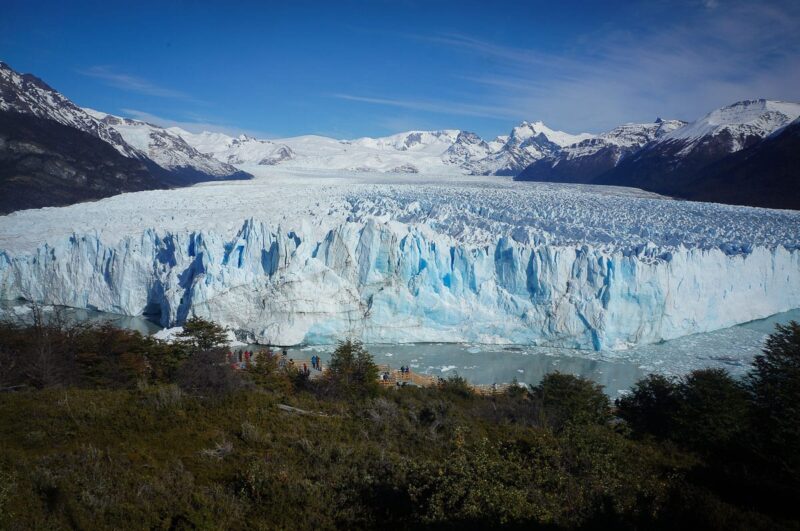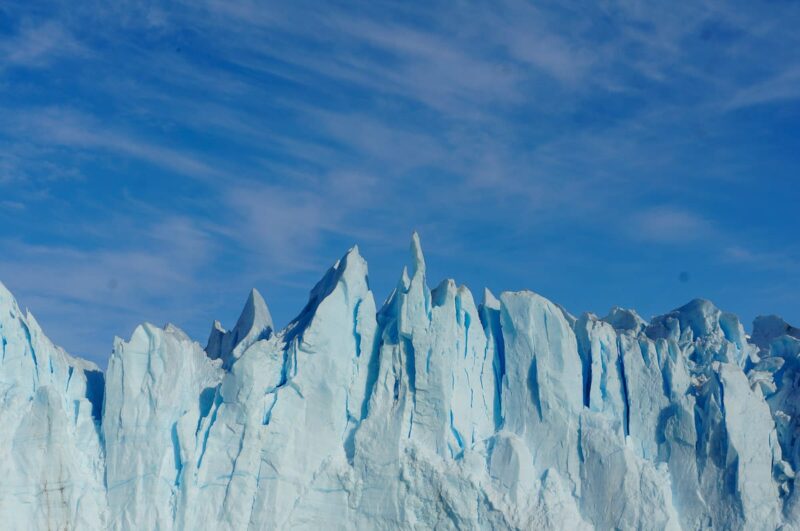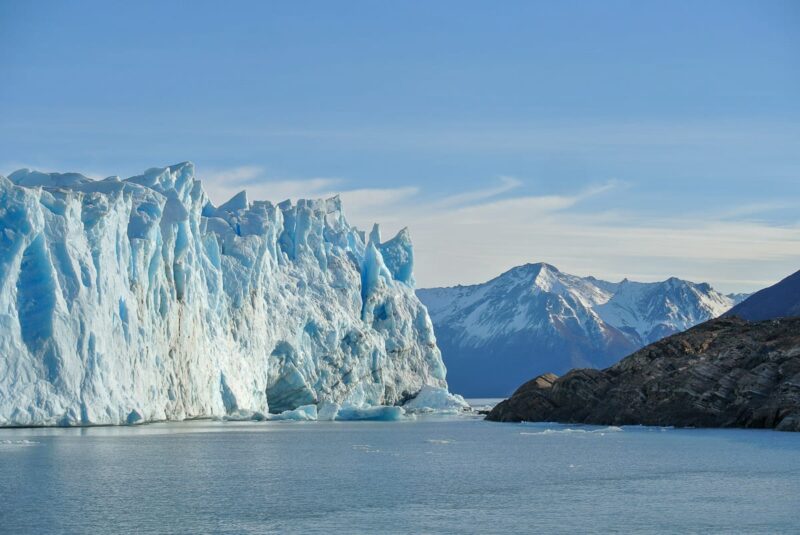
Occupying the southern shore of the sapphire-blue Lago Nahuel Huapi and surrounded by the stunning, snow-capped peaks of the Argentinian Andes, Bariloche acts as both the heart of the country’s lake district and an entry point to the northern reaches of Patagonia.
While the town centre itself is a little stale – a mish-mash of high rise hotels and tourist trap shops – the surrounding landscape is South America at its most beautiful; sparkling glacial lakes, rugged mountains and verdant countryside tinged with bright yellow and purple wildflowers. This is also Argentina at its most European. The region is home to Swiss-tinged villages that wouldn’t look out of place in the Alps where cosy wooden cabins serve up steaming mugs of hot chocolate and pots of fondue to stave ff the cold during the snowy ski season.
Aside from the area’s natural beauty, people visit Parque Nacional Nahual Huapi due to its reputation as an adventure sports hub. During winter, Argentinians flock here to ski the slopes of Cerro Catedral, while in summer, the city is one of the nation’s top spots for hiking, cycling, kayaking and climbing.
Getting to Bariloche
By Air
Bariloche has its own airport, located 14km east of the city centre with daily flights from both Buenos Aires and El Calafate. It also has flights from a number of destinations in Chile, however, domestic flights are much cheaper. Taxis from the airport can be fairly expensive but the airport is served by the number 72 bus which will take you to the town centre.
By Bus
Most long-distance buses to Bariloche will drop you at the bus terminal a few kilometres east of the centre. There are daily services to Buenos Aires (21 hours), El Bolson (1hr 30), Mendoza (18 hours), San Martin de Los Andes (4 hours) and Puerto Montt in Chile (6 hours).
If you are backpacking Patagonia, it’s highly likely that you’ll be heading northwards from El Chalten. The journey is a long one. The 1400km bus ride takes almost 24 hours along Argentina’s world-famous Route 40 and can cost anywhere between £60 and £100 depending on whether you travel cama or semi-cama. Food and drink are provided every so often on the journey but ensure that you bring some snacks and money to purchase a more substantial meal at any service stations. The bus generally leaves El Chalten late at night (on my last check this was 9.50pm) and arrives in Bariloche 24 hours later (approximately 9pm the next day).
Check ticket prices and availability for buses to Bariloche.
Getting Around
The heart of Bariloche, Centro Civico, is walkable and easy to navigate, with the majority of the town’s bars, restaurants and shops centred round Calle Mitre, which runs east from the town square. The local bus service is reliable and exhaustive, serving the western lakes and trailheads.

Where to Stay in Bariloche
Due to its reputation of one of Argentina’s premier domestic tourist spots and location as a gateway to both Patagonia and the Argentinian lake district, accommodation prices in Bariloche can be eye-wateringly expensive compared to other towns and cities, although they are similar to what you will pay in the rest of Patagonia. There are a good range of hostels and hiking lodges though. Staying in the centre of town will mean that you are close to local bars and restaurants but the cabins that lie west of the town along Av Bustillo will offer a little more tranquillity and fantastic lake views.
Penthouse 1004
This lovely hostel, located at the top of an apartment building close to Bariloche’s town square, offers some of the best views in the city stretching right over Nahuel Huapi Lake on one side and the town city centre on the other. They have 4 clean and comfortable private rooms, 4 or 6 bed dorms as well as a lovely, large lounge, shared kitchen space and an outdoor terrace/balcony.
Gravity Eco Hostel
Located outside of the city centre on the far-western edge of Bariloche, Gravity Eco hostel is just half a mile from Playa Serena and not far from Cerro Campanario or the Circuito Chico. The dorm rooms are fairly basic but the hostel is very sociable with a shared lounge, a garden, and outdoor barbecue space.
TREAT YOURSELF
Llao Llao Hotel and Spa
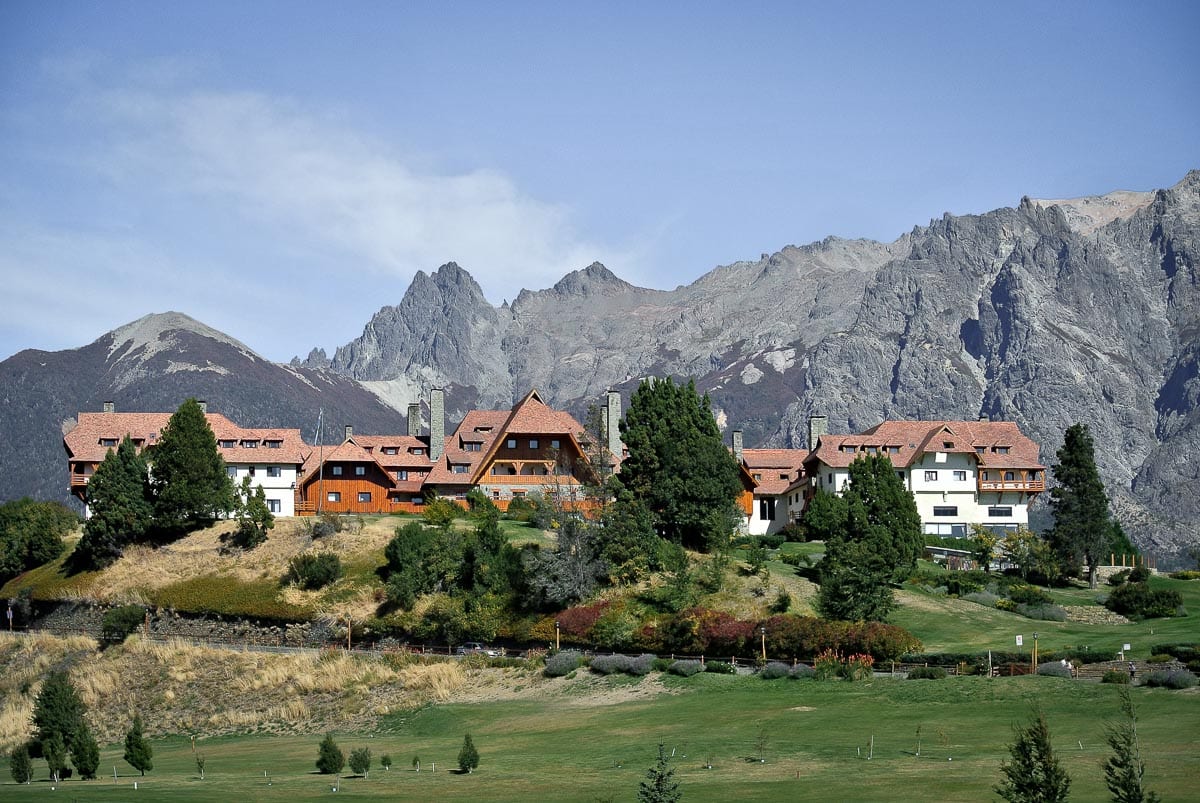
West of town at Km25 of the picturesque Circuito Chico is the luxurious Llao Llao Hotel and Spa, an alpine-style lodge surrounded by mountains, designed by famed architect Alejandro Bustillo. If your budget doesn’t stretch to a stay here but you still want to treat yourself, the hotel offers a decadent afternoon tea.
The Best Things to do in Bariloche
Although Bariloche’s centre is a mish-mash of pretty, alpine-style buildings and fantastic restaurants, there isn’t a great deal to see along the main drag of Calle Mitre. Bariloche’s forte is as an adventure destination, with the lakes and mountains surrounding the town providing amble opportunity for thrill seekers to hike, zip-line, paraglide and kayak.
Trekking in Park Nacional Nahuel Huapi
The enormous Park Nacional Nahuel Huapi, spanning 7050 square kilometres and incorporating both Bariloche and Lago Nahuel Huapi, is one of Argentina’s most spectacular outdoor spaces. Within its 3 distinct zones – Northern, Central, and Southern – you will find sapphire-blue lakes, glaciers gripping onto peaks of rugged, snow-capped mountains and dramatic forests of cypress and beech trees. There is also plenty of wildlife spotting to be had, with condors and guanacos occupying the remote areas of the park.
Park Nacional Nahuel Huapi’s centrepiece is the 3500m tall Cerro Tronaodor, an extinct volcano that straddles the Chilean-Argentinian border. However, there are plenty of less strenuous walks amongst the park’s network of well-marked trails, from short hikes to multi-day treks, with each section linked by mountain huts and refugios.
The hiking season runs from December to March, but be warned that at either end of this period, high altitude trails may be cut off by snow. If you need more advice on hiking in the park, guardaparques are stationed along the routes, or you can visit Club Andino Bariloche, where knowledgable staff can provide you with information about the trails.
Cycle Circuito Chico
The 65km long road circuit known as Circuito Chico heads out westward from Bariloche centre along the shores of Nahuel Huapi, into the surrounding hills and forest. Although the route can be done via public transport of on an organised tour, it is best seen on bike so that you can take any number of diversions and take your time.
If you decide to cycle the route, catch a bus from the city centre to Bike Cordillera where you can rent a bike and do the most scenic section: a hilly, circular 25km section of the circuit flanked by lakes and thick forest. Your first stop should be Puerto Panuelo, where boats leave for Puerto Blest, Isla Victoria and Parque Nacional Los Arrayanes. After a quick stop at Mirador de Los Navegantes to take in the superb vista, head through the thick forest towards Lago Escondido, Bahia Lopez and Punto Panoramico. If you have time, make sure to take a detour to the picturesque Swiss-style village of Colonia Suiza or take a break at either Cervecería Patagonia or Cervecería Gilbert breweries for a well-deserved pint before dropping your bike off at Bike Cordillera.


Take a Day Trip to Cerro Catedral
Cerro Catedral is named for its 2405m high summit that resembles the spires of a Gothic cathedral. The mountain, and the nearby town of Villa Catedral that sits at its base, are most popular during the months of June to October when it becomes one of South America’s buzziest ski resorts.
Come summer, once the snow has melted, the area still draws tourists who come to hike the myriad trails that wind their way around the peak. A cable car and chairlift both offer access to Refugio Lynch, a mountain lodge with spectacular views. From there, you are able to hike past glacial lakes to Refugio Frey, through the forest back to Villa Catedral or partake in a spectrum of summer activities such as mountain biking, horseriding and climbing. Buses to Catedral leave regularly from Bariloche town centre.

Wander Centro Civico
There isn’t a great deal to keep you occupied in the town centre of Bariloche itself. It may be worth spending a morning wandering around, taking in the plaza in the middle of Centro Civico where locals hang out beside the huge statue of General Roca atop his horse. Here you can find the Cathedral and Museo de la Patagonia which explains the area’s European and Mapuche history. Mainly, the city centre is worth visiting to try some of the region’s sweet treats. Helados Jauja is thought to produce some of the best ice creams in the country while Mamuschka is the place to go for expensive gourmet chocolates.
Come summer, once the snow has melted, the area still draws tourists who come to hike the myriad trails that wind their way around the peak. A cable car and chairlift both offer access to Refugio Lynch, a mountain lodge with spectacular views. From there, you are able to hike past glacial lakes to Refugio Frey, through the forest back to Villa Catedral or partake in a spectrum of summer activities such as mountain biking, horseriding and climbing. Buses to Catedral leave regularly from Bariloche town centre.

Take a Chairlift to the Peak of Cerro Campanario
For an easy day trip, catch the bus from the city centre and head westward along Av Bustillo towards Cerro Campanario. You can take the chairlift to the top (9am – 6.30pm) or hike the steep trail to the summit for stunning, 360-degree views of the surrounding mountains and lakes. There is a small Confitería at the summit where you can grab a coffee to sit and take in the vista at a leisurely pace. The trip to the mountain and back, including the hike, should take just half a day.

How Long Should You Stay in Bariloche?
To just get an overview of Bariloche, I would recommend staying for at least 3 days. This gives you the opportunity to cycle the Circuito Chico, head up to the summit of Cerro Campanario and explore the town centre, as well as squeeze in a day hike or two.
However, outdoor enthusiasts could spend weeks in Bariloche, making the most of the town’s fishing, walking and rafting opportunities. Give yourself a few extra days if you plan on doing any multiday trips out to different areas of Parque Nacional Nahuel Huapi.
Where to Eat & Drink in Bariloche
Being a resort town, Bariloche has a huge range of fantastic restaurants to cater for the ski crowd or those on summer excursions. Expect a mix of Argentinian asado and hearty Patagonian cuisine, but the area is also famed for its sweet treats. Come winter, the local bars and clubs can be heaving with snow bunnies but there are also some brilliant local breweries and cervecerias if you’re looking for a quiet drink.
Antares Brewery
Serving up a good range of pub snacks and junk food, the Antares Microbrewery is the perfect place to sample some local brews, direct from the source. Be warned, it can get pretty busy during the high season.
Where: Ada María Elflein 47
When: Daily 5.30pm – 3am
Cervecería Manush
One of my favourite spots for a meal in Bariloche and easily the city’s best brewery despite the fierce competition, Manush us a cosy brew pub set within a beautiful European cottage-style building serving up fantastic tapas and pizza
Where: Dr. Juan Javier Neumeyer 20
When: Daily 5pm – 12am
Mamuschka
Bariloche is famed for its chocolate and C Mitre has dozens of enormous shops selling rows and rows of overpriced sweets. Of all the stores, Mamuschka is the most well-known.
Where: Mitre 298
When: Daily 10am – 7pm
Helados Jauja
If you have a sweet tooth but chocolate isn’t your thing, then Argentina is known to produce some of the world’s best ice cream. Helados Jauja is recognised as the country’s finest and has a baffling array of flavours.
Where: Francisco Perito Moreno 49
When: Mon to Fri 9.30am – 12.30am; Sat & Sun 12pm – 12.30am
El Boliche de Alberto
One for the meat-eaters, El Boliche de Alberto is one of the most popular parrillas in town. It’s a cosy, locally-owned spot dishing up Asado, enormous steaks, chorizo and ribs, all served with their famous ‘Mountain of French Fries’.
Where: Villegas 347
When: Daily 12pm – 3pm and 8pm – 12am
Where to Next?
Just 120 Km south of Bariloche is the hippy enclave of El Bolson, another destination with exemplary hikes, good food and outstanding local breweries. Four times a week, on Tues, Thurs, Sat & Sunday, the town hosts a popular feria artesanal.
Head further south still, and you will arrive in the heart of Argentinian Patagonia. El Chalten is the next stop on most people’s itineraries, although it is a long, 24 hours bus ride away.
When is the Best Time to Visit Bariloche?
Bariloche is a year-round destination. In winter (June to October), Skiers flock to Cerro Catedral in order to descend the 50 runs that criss-cross the mountain, while in summer, the town is a hub for adventure enthusiasts that gather to hike, raft and cycle amongst the snow-capped mountains. To avoid the crowds, come in autumn or summer.