It’s a Saturday evening and I’m on Chandni Chowk, the heart of old Delhi and a bustling street packed with markets full of spices, shimmering jewellery and vividly colourful saris. The narrow side streets are crowded with tiny shops selling essential oils or dried fruits. Skulking within the steam emanating from a street food stand, my sights are set on a street food vendor that is busily scooping Bhelpuri into little foil dishes for his waiting customers.
Raising my camera to my eye, I risk a few furtive shots but irritatingly, passers-by keep wandering into view. The vendor is engaged in animated banter with a guy at the next stand who is dishing out crisp pani puri to a queue of hungry punters. When he finally looks in my direction, I decide to engage with him. I order my 30 rupee meal and lift my camera up to head height, the universal gesture for “Can I take your picture” that is so useful when neither of you speaks the same language. He gives me a huge smile and begins vamping for the camera, dragging the hot potatoes around his pan with a flourish.

Then it happens. Another tourist, with a huge DSLR hanging around her neck, spots our impromptu photoshoot and decides to join in. Before I have a chance to stop her, she is pointing her enormous lens just inches from the man’s face, clicking furiously with no sense of personal space. The vendor drops his smile and throws his hands in front of the camera. The photoshoot is over and the guy is left feeling angry and violated.
The way that this scene played out made me question a few things; Is it okay to take photos of people when travelling, especially without their permission? How do local customs dictate what is and isn’t acceptable? While I understand her desire to get the perfect picture, it shouldn’t come at the expense of someone’s comfort and personal space.
It hadn’t occurred to me until that moment, but much of contemporary street photography and the way it is taught has a kind of “Gotcha!” sensibility, where the onus is on viewing subjects as victims, just props in your art to be used as you want. It’s not something that I have ever really felt comfortable with and has never been the way that I like to approach travel photography. It doesn’t fit with who I am.
Portraits, street scenes and landscapes – these all have the ability to transport the viewer to the specific place and time in which you took the image. With a well-shot photograph of a Moroccan Souk, you can almost hear the cacophony of sound and smell the fragrant spices. However, it’s the pictures of people that really thrill me. As a child, I would spend hours thumbing through pictures in magazines and books, enthralled and drawn in by images of faraway lands and people that seemed a million miles away from those I saw on the streets of Yorkshire. While I recognise the skill and talent that goes into capturing a beautiful landscape or stunning architecture, pictures of people freeze a very specific memory; they capture a conversation or interaction that is unique to that moment and will never happen again. I think photographing people and street scenes will tell you much more about a country than a thousand pictures of pretty landscapes will.
That’s maybe why so many people ask me the question, “how do you take photographs of people?”
I don’t really have a simple answer to this. The truth is, if you want to shoot people on the street or in public, you’re going to have to get used to the fact that it can be uncomfortable. I get the feeling that people ask me the question because they expect me to give them a trick that suddenly makes it easier. No photographer can do that for you. If you want to shoot portraits, you’re going to have to approach people and ask them. You need to involve them. A lot of people will reject you. It’s not personal, it’s just that they don’t know what you’re doing with the image, they’re not sure why you’re there, or what your motives are.
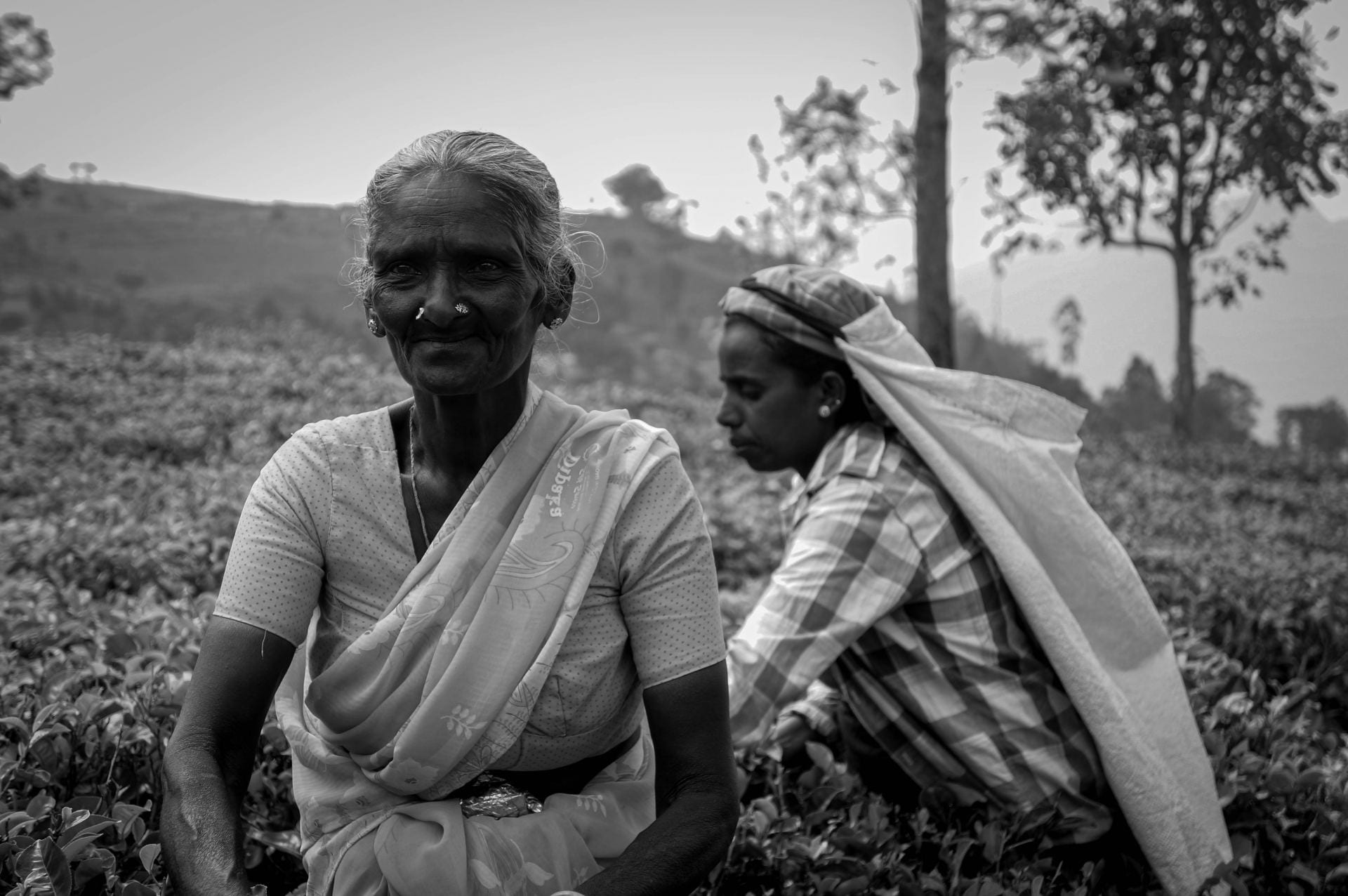
Photography when travelling raises other issues too. Not all cultures view photography in the same way I do, and often it’s the case that it can feel almost exploitative when there’s a visible economic disparity between you and the person you’re photographing. This shouldn’t put you off though. If you start with some knowledge about the place you’re visiting, travel with an open mind, and are prepared to put yourself out there and connect with others, photography, like travel, can build bridges and enrich your whole trip. As with travel in general, It’s best to think about how you can be responsible, giving more than you take.
If street and portrait photography is something that you want to do when you travel, hopefully, the tips below will give you a few important things to think about, as well as give you the push you need to try it.
Be Aware of Local Customs
As you travel, you will notice that people’s attitudes toward photography will vary from country to country and even region to region within a country. As I walked around Marrakesh with a local guide, Aziz, he warned me to not photograph women under any circumstances, particularly veiled women, as it is considered incredibly rude.
Anyone that has been to India will have had the opposite experience; travellers here will find themselves models in impromptu photoshoots as locals snap away at them with camera phones, ask them to pose for selfies, or even pose with their babies or children. If you agree to pose for one shot, you will find a queue of keen photographers forming, all waiting for their turn. This makes it much easier to ask someone to pose for a photograph in return.
The culture is different, and the notion of privacy, personal space, is completely at odds with what Europeans are used to. As a complete contrast, there are some communities where cameras and technology are still looked on with suspicion.
Always make sure to research the place you are visiting before you arrive. That way, you have a sense of how people feel about having their picture taken. You can’t always expect people in other parts of the world to feel or think the same way you do.

Get Consent
When photographing people, unless it’s a broader street scene, it can be really important to get consent. If someone says no to a photo, it’s an absolute must that you respect their decision. There have been times when I have taken a shot and realised that the subject isn’t happy about being photographed, even if it is just a look that they give me. In these cases, I will delete the image, no matter how much it pains me to do so.
No single image is worth me ruining someone’s day.
If you’re taking a photograph of someone as part of a scene in order give a sense of scale, space, or action, you’re legally allowed to do so, at least in the UK. However, my general rule is that, the larger someone appears in my frame, the more responsibility I put on myself to delete that photograph if they have a problem with it. No single image is worth the confrontation or me ruining their day. If they’re very small in a big scene, I’m more likely to keep the shot.
If you want to shoot portraits, you’re going to have to approach people and ask them. There is no getting around this fact. If you’re in a country where the language is unfamiliar, try learning a few phrases to help you speak to people. I find that it is always best to have created a relationship with a subject before shooting them, no matter how brief. This way, you will have a better understanding of the person and their surroundings, and the subject will feel more relaxed knowing your intentions. Usually, this will result in a better image.
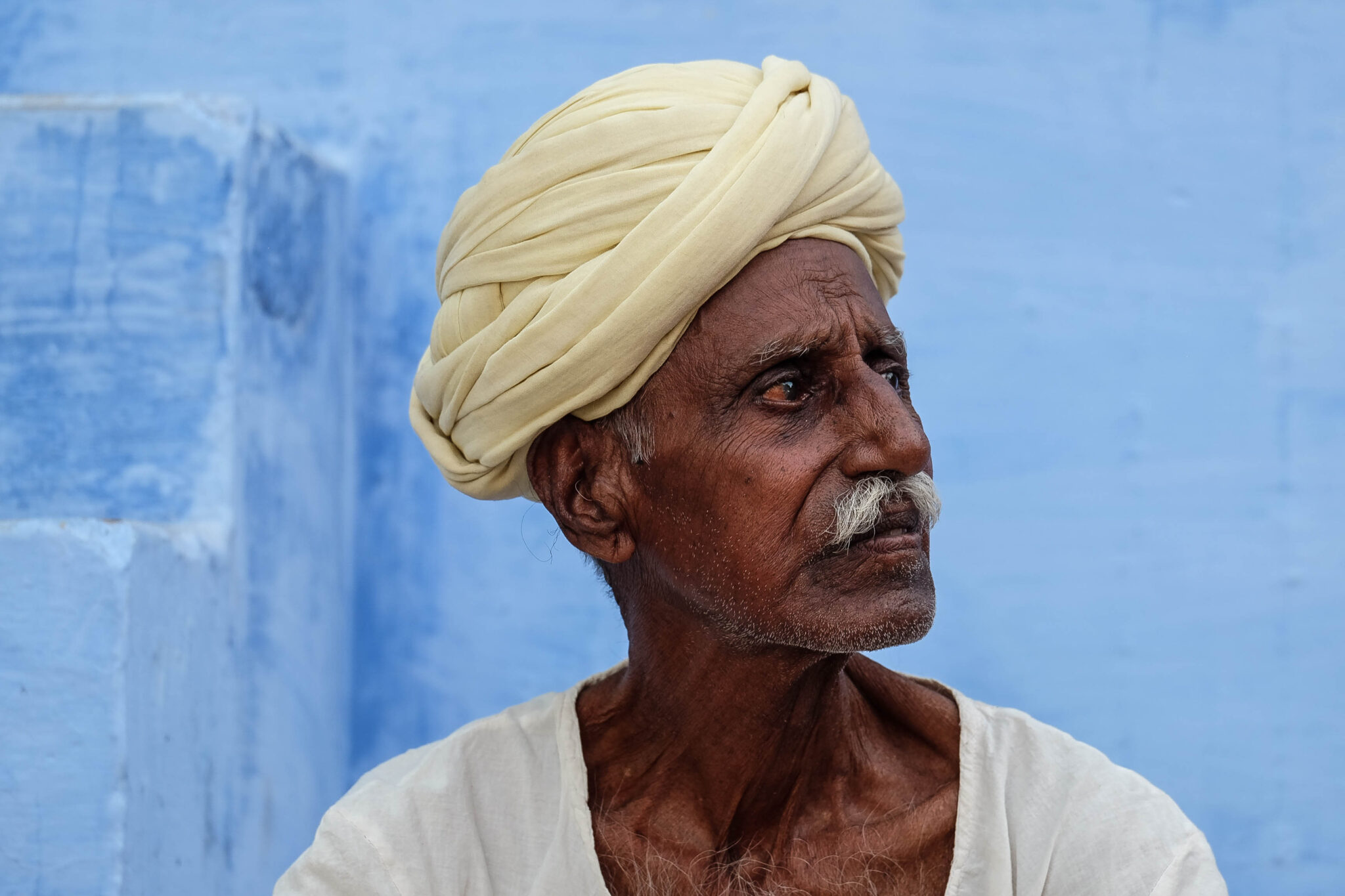
Think of it this way; If I walked up to someone on a London street and started photographing them, they would rightly be confused and possibly angry. However, if I introduced myself, spoke to them for a while, and told them what I was doing before I even considered asking if I could photograph them, they would likely be more receptive to the idea. It shouldn’t be any different when travelling.
If you don’t know the local language, body language also works exceptionally well. A simple gesture is usually all you need to communicate that you’d like to take a photo, which brings me to my next point…
Be Open & Don’t Hide Your Camera
I find that if I walk around with a smile on my face and an open, friendly attitude, I am much more likely to get great shots. If you put out genuine warmth, then this will come back to you in the interactions and experiences you have as well as the photos you capture. In many cases, I have even had people see my camera and approach me to ask if I will photograph them.
This works both ways. If you come across as uncomfortable, hesitant, or unapproachable, people are more likely to be wary of you. This will show in your photographs.

Similar to the point above regarding consent, people are more likely to feel at ease if they know your intentions and your camera is visible. If people around you are aware that you’re taking photographs and your camera is clearly visible, it is easy to see who is indifferent to your presence and who is wary. Just ensure that you are in an environment where you feel it’s safe to have your camera on show.
Be Generous
Photography is an exchange where you’re required to fulfill your end of the bargain, and by not doing so, you’re also jeopardizing other photographers’ opportunities to take photos in the future.
If you’re taking someone’s photo, be kind about it. Make sure that you are generous in the way that you approach and involve them in the process. Show them the photos you’re taking and write their details down so that you can send them the photos later. The proliferation of smartphones has made this a little easier, meaning that I am able to easily transfer the JPEG from my camera to my phone, and then email it directly to the person, or send it over social media within seconds of snapping it.

Although it is becoming less common, you’ll occasionally travel to a country few people have the luxury of owning a smart phone or camera, and it can be exciting for your subject to get a print out of a photo you have taken of them. While in India, I mostly emailed images to people straight away, but the occasional person didn’t have an email and wanted a physical copy to be mailed. It can seem like a chore, however, it’s important you keep your promise if that’s what you committed to. Photography is an exchange where you’re required to fulfil your end of the bargain, and by not doing so, you’re also jeopardizing other photographers’ opportunities to take photos in the future.
In one such case, a man spotted me photographing the street art in the narrow alleyways of Jaipur and invited me into his house to photograph his family. He had no access to a computer and instead scrawled down a physical address on a scrap of paper in Hindi that I had no chance of deciphering or reproducing on an envelope. Luckily, I was able to find a nearby printing shop and hand-deliver copies of the photos myself.
Much of travel ethics has to do with reciprocity and photography is very much the same: a traveller and photographer should not visit a destination simply to take, but instead should think about how their travels and art affect both parties involved.

Be Respectful
It’s easy to get carried away when you’re in a new country with visuals that are completely different to your everyday life, but you have to remember that what seems unique to you, may be the norm for the people you’re photographing. No matter where you are though, it is important to show respect; if there’s a photo you wouldn’t feel comfortable taking at home, like photographing homeless people or people living in poverty, then there’s every likelihood that you probably shouldn’t take it elsewhere. I like to think that, if I wouldn’t like someone taking a photo of me in the same situation, I shouldn’t take it.
If I wouldn’t like someone taking a photo of me in the same situation, I shouldn’t take it.
With this comes the question of authenticity; after all, as a photographer, you are a storyteller and the stories you are exposed to whilst travelling in developing nations may not always be beautiful and show people at their best. Instead of just seeking out these situations, look for the beauty in a shot; interesting light and composition, or a subject with a winning smile. A lot of the images you associate with a country may be outdated stereotypes that were created a long time ago. Countries, people, cultures are constantly evolving. Often a regular person on the street is just as interesting as that postcard-style photograph of someone in elaborate, traditional dress.
Having said that, some stereotypical images are as true as ever and you happen to spot an orange-clad monk roaming an ancient temple or a conical hat-wearing farmer roaming the rice paddies of Hoi An, then there is no harm in taking a photo that isn’t the most original.


The Money Issue
This is something that will happen to all of us at some point; You see someone that you would really like to photograph, so you ask them for their permission, only to be told it will cost you a handful of change. What would you do in this situation?
While photographing people can be seen as a two-way transaction, paying money can create all manner of problems. Not only does it encourage begging, especially when children are involved, it can also dramatically alters the relationship between locals and tourists, meaning that genuine interactions and conversations will become more difficult.
Practise Somewhere You Feel Comfortable
Although photographing people may seem daunting at first, the best way to overcome your fear is to get out there and practise. Start by venturing out into public spaces and just shoot what you see as you walk around. It’s best to start with a busy, touristy area where there will be other people with cameras – this way you will feel more invisible. Not only is a lot happening with plenty to catch your eye, but you’ll be more at ease because of the crowd. Even if you don’t build up the courage to approach people or single out a specific subject for a shot, you’re still documenting life on the street and capturing the feeling of being in that space.
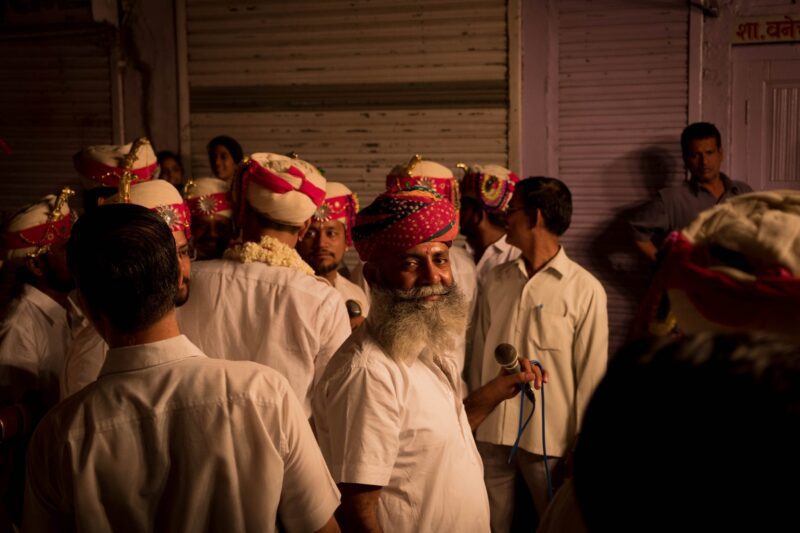
If you want to photograph people and you want that to be the focus of your street photography, then eventually you can build up to putting yourself in the uncomfortable situation of moving closer to subjects or approaching people. I found that a good place to start is at festivals or celebrations; places were people are dressed up and expect to have their photograph taken. They will be much more open to your advances.
Otherwise, go out there, put up with rejection, and hope to get the shots you want. If this isn’t for you, it doesn’t matter. Pay attention to what you find yourself shooting the most and what you enjoy photographing. Ideally, you will still be able to show others how you see the world.

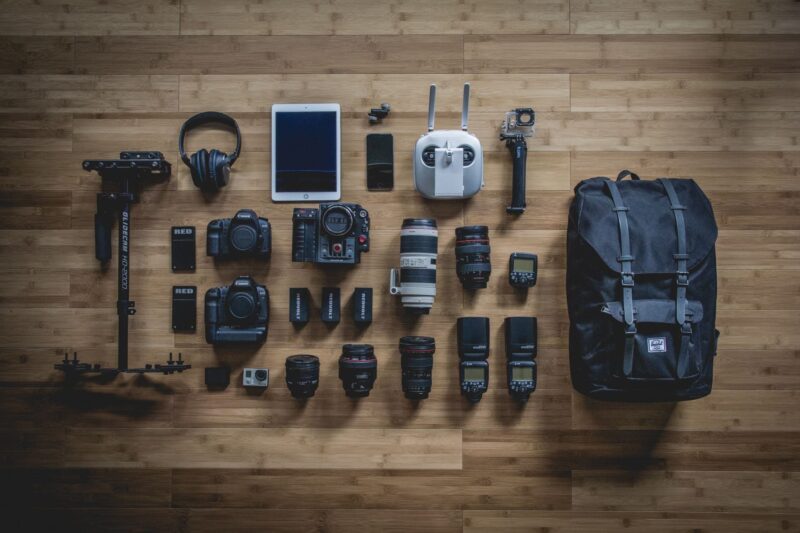
If you’re wondering what camera and lenses I use, head over to this post to find out what’s in my camera bag.
You can find some of my favourite shots here.