There must be something about Antwerp that encourages artistic endeavour. It could be that there’s a particular light in the city, soft and slanted, filtered through Renaissance façades and Baroque spires, that seems to illuminate the past and pull it into the present. It’s the very same light that once danced across Peter Paul Rubens’ palette in his palatial city studio, and the same that now glints off the ultramodern glass of the Museum aan de Stroom.
It could be this very light, the same that has shone on the city since its inception in the 4th century after being settled by the Frankish tribes, that gives the feeling that the city, along with its history, is folding in on itself. This is a place where golden-age opulence rubs shoulders with cutting-edge creativity, and a single street can lead from 17th-century guildhalls to experimental art spaces.
Situated on the banks of the River Scheldt, Antwerp is not just Belgium’s second city, it is also the nation’s and one of Europe’s great cultural hubs. During the 16th and 17th centuries, it was the economic engine of the Low Countries and the heart of Europe’s art trade. The printing presses of Christophe Plantin spread knowledge across the continent, while Rubens, van Dyck, and Jordaens exported the expressive power of Flemish Baroque to royal courts far and wide.
Today, the city’s artistic pulse is just as strong. Fashion revolutionaries like the Antwerp Six redefined European style here in the 1980s, and a new generation of artists and curators continue to push boundaries in its galleries and public spaces. The city’s vast array of museums and galleries are a testament to this. Whether you’re losing yourself in the dramatic chiaroscuro of a Rubens altarpiece or wandering through a sculpture garden under open skies, Antwerp has its history on full display.
The Best Museums & Galleries in Antwerp
Art and history run deep in Antwerp, from the grandeur of Rubens and the Baroque masters to cutting-edge contemporary installations and intimate museums that tell the stories of dockworkers, emigrants, and avant-garde visionaries. Its cultural landscape is as layered as its history: you can wander from the soaring halls of the Royal Museum of Fine Arts to the bold architecture of the MAS, from the quiet intimacy of Snijders&Rockoxhuis to the raw emotion of Museum De Reede. Whether it’s photography, printmaking, or migration histories, Antwerp’s galleries and museums reveal a city that has always looked outward, reflecting the world with it’s own unique creativity. Here are some of my favourite museums and galleries in the city.
Rubenshuis
Few cities can boast of having a world-class artist’s residence preserved in the heart of the urban fabric. Antwerp can, and that artist is one of the city’s most famous sons, Peter Paul Rubens. His former home and studio, a graceful mansion styled after an Italian palazzo, is a rare window into both the private life and creative process of a 17th-century master.


Wander through the courtyard garden, lush and symmetrical, and you’ll begin to understand the man’s taste for classical beauty. Inside, rooms echo with history, from the wood-panelled study where Rubens corresponded with kings and dukes, to the light-flooded atelier where assistants once mixed pigments and prepared vast canvases for his brush.


While the house is currently closed for extensive restoration (due to reopen in 2027), you can still explore its gardens and anticipate the reopening of one of Europe’s most intimate, artist-focused museums. When its doors swing open again, it will not just be a museum, but a reanimated vision of Antwerp’s most iconic painter.
Where: Hopland 13, 2000 Antwerpen, Belgium
When: Thursday to Tuesday 10am – 5pm; Closed Wednesday
Entry: Tickets cost €12 for over 25s and €8 for visitors aged 18 – 25; Under 18s can visit for free
Museum De Reede
Opened in 2017 on the banks of the Scheldt, Museum De Reede is devoted entirely to the art of printmaking, something that is intrinsically linked to Antwerp. Its permanent collection brings together three titans of modern European graphic art: Francisco Goya, Edvard Munch, and Félicien Rops. The result is a museum that feels less like a broad survey and more like a powerful meditation on the human condition.
The setting is deliberately minimalist: white walls, clean lines, and subtle lighting that draw attention to the works themselves rather than the space in which it is housed, giving power to the fine black lines etched onto the paper, such as the anguished faces in Munch’s woodcuts or the biting social satire of Goya’s Los Caprichos, confronting you with themes of desire, mortality, injustice, and existential dread.
Beyond the permanent displays, Museum De Reede also curates temporary exhibitions that showcase both historical and contemporary printmakers, widening the conversation around this often-overlooked medium. The museum takes pride in highlighting the tactile, almost vulnerable nature of works on paper, showcasing pieces that rarely make it into blockbuster exhibitions.
Where: Ernest Van Dijckkaai 7, 2000 Antwerpen, Belgium
When: Friday to Monday 11pm – 5pm
Entry: Tickets cost €15 per person; Under 13s can enter for free and tickets for under 18s cost €3
KMSKA
If there is one museum gallery that you must visit in Antwerp, it’s the Royal Museum of Fine Arts Antwerp (KMSKA). The imposing 19th-century neoclassical structure, all white marble and colonnades, has been updated with a radically redesigned interior, where sleek, minimalist white cubes float inside historic galleries and hidden, colourful staircases wind behind its historic walls. After more than a decade of renovation, the museum reopened in 2022 as a triumph of architectural layering, allowing visitors to travel across centuries with ease.


Its collection is one of the richest in Belgium, featuring more than 8,000 works, from Medieval altarpieces to modernist sketches. Yet it’s not just the breadth that impresses, it’s the dialogue the curators encourage between past and present. Rubens hangs not in isolation but in conversation with Ensor. Modern pieces by Rik Wouters and Frits Van den Berghe are displayed with dramatic lighting and fresh context, making familiar stories feel newly urgent.

Highlights include Jean Fouquet’s otherworldly Virgin Surrounded by Seraphim and Cherubim, the dark romanticism of Léon Spilliaert, and the bravado of Baroque canvases so large they threaten to dominate entire rooms. Don’t miss the rooftop pavilion with its natural light and reflective surfaces. It’s the perfect place to pause, relax, and let the artistic majesty that you have just seen, settle.
Where: Leopold de Waelplaats 1, 2000 Antwerp
When: Monday, Tuesday, Wednesday & Friday 10:00am-5:00pm; Thursday 10am – 10pm; Saturday & Sunday 10am – 6pm
Entry: A full-price ticket is €20; €10 for people under 26; Under 18s can enter for free
Plantin Moretus Museum
There is something almost monastic about the Plantin-Moretus Museum. Located on the atmospheric Vrijdagmarkt square, this UNESCO World Heritage Site was once the beating heart of the European printing revolution. You’ll feel a sense of going back in time as you step inside to the scent of old leather, wood, and ink that permeates the air.
This was the workplace and home of Christophe Plantin, a 16th-century humanist printer who believed in the power of knowledge. The museum still houses the world’s oldest printing presses. Plantin’s family published multilingual Bibles, scientific treatises, and maps that reached every corner of the world.
The museum is arranged like a grand scholar’s home, with panelled libraries, tapestried parlours, and inner courtyards. It’s also filled with treasures: a complete set of the Polyglot Bible, anatomical diagrams by Vesalius, and richly decorated books.
Where: Vrijdagmarkt 22, 2000 Antwerp
When: Tuesday to Sunday 10am to 5pm
Entry: Under 18s can visit free of charge; Tickets for 18 – 25s cost €8; Tickets for people aged 26 and over cost €12
FOMU - Fotomuseum Antwerp
Housed in a converted warehouse in the fashionable Zuid district, FOMU is both a museum and a creative hub dedicated to all things photography. Its airy, modern-yet-industrial galleries host a rotating programme of exhibitions that can swing from the poetic to the provocative; while one month this may be large-scale fashion photography, the next, you could find yourself immersed in raw documentary work from conflict zones, or conceptual projects that stretch the very definition of what a photograph can be.


This should tell you that FOMU’s curators embrace the full spectrum of the medium: historical prints from the 19th century, vintage cameras and equipment, mid-20th-century icons, and cutting-edge contemporary visual experiments. Their thematic shows often mix Belgian talent with international big-hitters, creating a dialogue across eras and aesthetics.
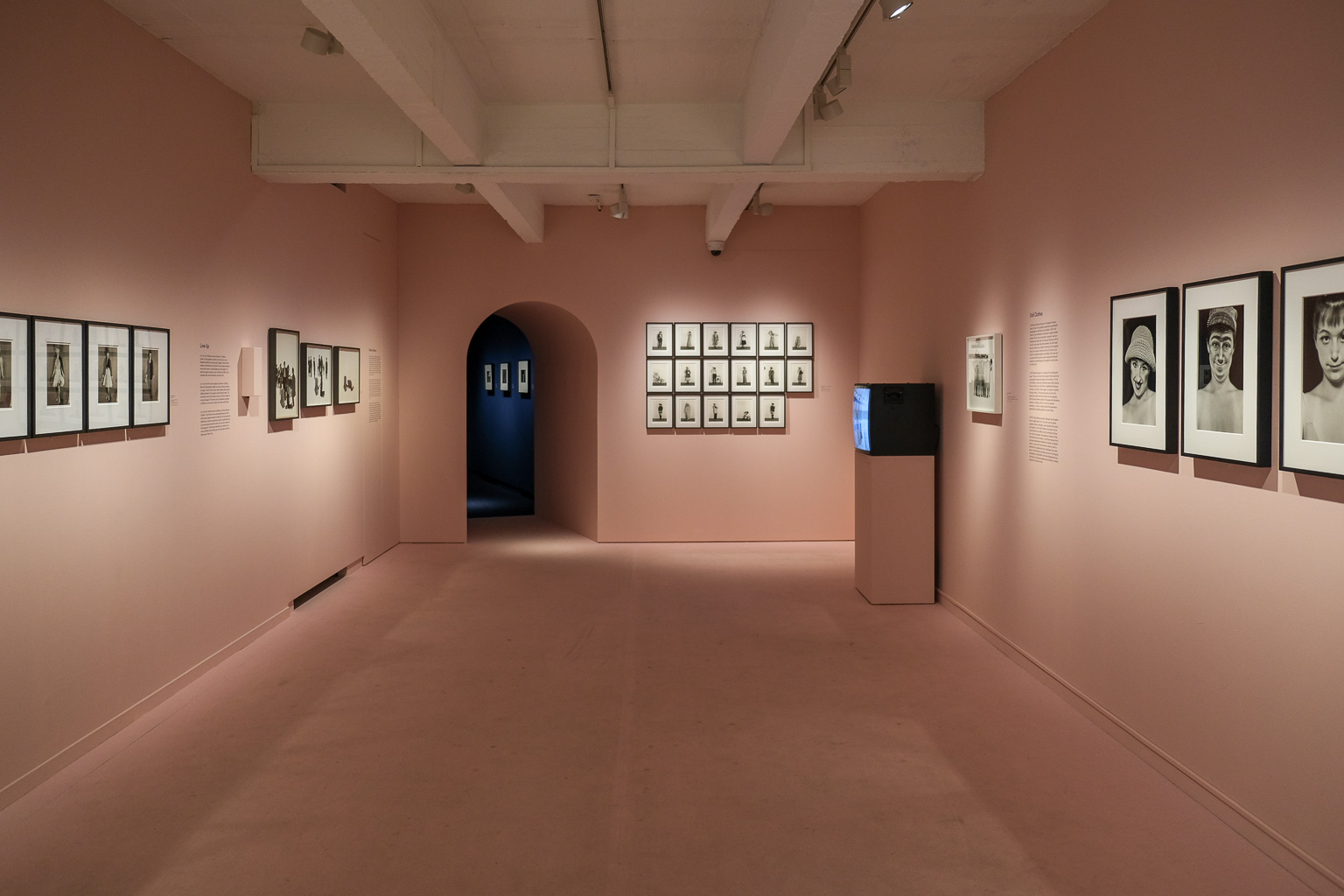
Beyond exhibitions, FOMU runs an active programme of talks, workshops, and screenings, drawing in both professionals and hobbyists. There’s a focus on storytelling through images, showcasing how photography shapes identity and our collective imagination. The museum’s own collection is vast, with more than 900,000 items, including negatives, prints, and cameras, making it one of Europe’s major photography archives.
On the ground floor, the museum café and bookshop are destinations in themselves and well worth visiting.
Where: Waalsekaai 47, 2000 Antwerp
When: Tuesday to Sunday 10am – 6pm
Entry: Full price tickets are €12; People under 26 can enter for €5 and under 18s get in free
Snijders&Rockoxhuis
Rather than being a single museum, Snijders&Rockoxhuis consists of two adjoining historic homes: that of Nicolaas Rockox, a wealthy 17th-century mayor, humanist, and patron of the arts, and his neighbour, the celebrated still-life painter Frans Snijders. Together, the two houses recreate the atmosphere of Antwerp at its Baroque height, when art, politics, and daily life were woven seamlessly together.

Rockox was a close friend of Peter Paul Rubens, and his home reflects the cultivated world of Antwerp’s elite: oak-panelled rooms, cabinets filled with curiosities, and walls hung with works by Rubens, van Dyck, Jordaens, and other Flemish masters. At the time, it was intended that art was not just decoration but a form of intellectual conversation, displayed in intimate domestic spaces rather than vast museum halls.
Next door, Snijders’ house gives equal weight to the painter’s own dazzling still lifes. You’ll find lavish tables piled high with fruit, game, and seafood, painted with extraordinary detail. His canvases reveal both the prosperity of Antwerp’s mercantile elite and the era’s obsession with abundance, beauty, and the fleeting nature of earthly pleasures.

What makes Snijders&Rockoxhuis so distinctive is its scale. Unlike grand institutions such as KMSKA, here you feel the intimacy of art in rooms where the paintings were lived with, not just looked at. Walking from the parlour to the dining hall, you get a sense of how Antwerp’s patrician families curated their surroundings to reflect status, taste, and humanist ideals.
Where: Keizerstraat 10, 2000 Antwerp
When: Tuesday to Sunday 10am – 5pm; Closed Monday
Entry: Entry is free for people under 18; Tickets cost €6 for people aged between 18 and 25 or €10 for those aged 26 and older
MAS - Museum aan de Stroom
Rising like a stack of crimson boxes along the docks of the Eilandje district, the MAS is the perfect symbol of the area’s regeneration from rundown Dockland to a vibrant, up-and-coming neighbourhood. As well as that, it encapsulates Antwerp’s historic relationship with the rest of the world. Opened in 2011, the building itself is a showpiece and an iconic Antwerp landmark: a bold design of rippling red and glass by Dutch architects Neutelings Riedijk. Its architecture nods to the city’s warehouse heritage while projecting Antwerp confidently into the 21st century.

Inside, the MAS tells Antwerp’s story, not as a linear history, but as a series of interwoven narratives. The permanent exhibitions explore the city’s centuries-long role as a trading hub and cultural crossroads, from its medieval guilds and its heyday as one of Europe’s busiest ports to its connections with communities as far afield as South America, Africa, and Asia. Artefacts range from maritime relics and colonial-era objects to fine silverware and contemporary art, each displayed in a way that highlights the city’s global reach, while not diminishing the impact of the country’s colonial misgivings.

One gallery focuses on Antwerp as a world port, another on its history of power and prestige, while others delve into universal human themes such as food, life, and death. Temporary exhibitions often push boundaries further, tackling questions of migration, identity, and urban futures. Together, the displays show Antwerp not as an isolated city but as a place shaped by the constant exchange of goods, people, and ideas.

The building itself enhances the experience. You ascend via a spiralling escalator that gradually reveals panoramic views of the city. Each floor offers glimpses through vast undulating glass panels, until at the very top, a free-access rooftop terrace opens up 360-degree views over Antwerp’s skyline, the Scheldt River, and the port that remains its lifeblood.
Where: Hanzestedenplaats 1, 2000 Antwerp
When: The museum is open from Tuesday to Sunday from 10am to 5pm; Closed Mondays; The panorama is open from 9.30am – 10pm
Entry: Standard entry is €12 and visitors aged between 18 – 25 receive the discounted rate of €8. Under 18s can enter for free
Red Star Line Museum
In Antwerp’s old docklands, just a short walk from the MAS, the Red Star Line Museum occupies the preserved brick warehouses where emigrants once queued for medical checks and ticket inspections before boarding Red Star Line ships bound for New York and Philadelphia. Between 1873 and 1934, roughly two million passengers passed through these very doors, many of them Eastern Europeans escaping poverty, persecution, or political unrest in search of a new life across the Atlantic.

Inside, the museum tells their detailed stories with sensitivity and humanity. You can trace the journey from a small European village to Antwerp’s port, through the final medical examinations, and onto the crowded steerage decks of transatlantic liners. Personal artefacts such as trunks, letters, and photographs are woven together with first-person testimonies and interactive displays that let you step into the shoes of the people who travelled through here.


One of the most moving features is the “People on the Move” gallery, where descendants of Red Star Line passengers share what happened after arrival in America. Their accounts, a mix of struggle, success, or bittersweet returns, turn abstract migration statistics into moving human narratives.

The museum also explores Antwerp’s role as a gateway city, showing how migration has shaped not just America, but Antwerp itself. The experience is immersive: you walk through original rooms where hopeful travellers once waited, past vintage maps showing shipping routes, and into panoramic projections of the open ocean.
It’s the perfect mix of history, personal memories, and a reflection on migration today.
Where: Montevideostraat 3, 2000 Antwerp
When: Tuesday to Sunday 10am – 5pm; Closed Mondays
Entry: Standard entry is €10 and visitors aged between 18 – 25 receive the discounted rate of €6. Under 18s can enter for free
Museum Eugeen Van Mieghem
As the name suggests, this museum is dedicated to Antwerp-born artist Eugeen Van Mieghem (1875–1930), whose work captures the daily life of the city’s working-class port community at the turn of the 20th century. Unlike Rubens or Ensor, Van Mieghem didn’t paint kings, saints, or grand mythological scenes. His subjects were Antwerp’s working classes; the longshoremen, emigrants, washerwomen, sailors, and children who filled the streets and warehouses of the city’s docks.
Born into a family of café-keepers in the Eilandje district, Van Mieghem lived among the very people he portrayed. He often worked quickly, sketching in charcoal or pastels, producing thousands of works that document both hardship and dignity. His portraits of emigrants, such as families waiting at the docks to board Red Star Line ships bound for America, are especially poignant, often showing a mixture of fatigue, anticipation, and quiet hope.
The museum houses an impressive collection of his drawings, watercolours, and paintings, alongside personal artefacts and archival materials that situate his work in the broader social history of Antwerp. You can also gain insight into the artist’s own struggles: his wife Augustine, who modelled for many of his most tender works, died young of tuberculosis, a loss that deeply marked both his life and his art.
What makes the museum special is its intimacy. Walking through its galleries, you feel less like you’re in a formal institution and more like you’re in a conversation with Van Mieghem himself. In many ways, his work complements the nearby Red Star Line Museum. Where the latter tells the institutional story of migration, Van Mieghem gives it a face.
Where: Ernest Van Dijckkaai 9, BE-2000 Antwerp
When: Tuesday to Sunday 10am to 5pm
Entry: Tickets cost €4, however, if you purchase the art book Eugeen Van Mieghem (€30), you can visit the museum free of charge (max. two people)
M HKA - Museum of Contemporary Art
Sitting within a converted grain silo in the city’s Zuid district, M HKA stands as a testament to Antwerp’s ability to reinvent its industrial heritage into something entirely new. The museum emerged in the late 1980s out of the avant-garde spirit of the Internationale Kunstcentrum Antwerpen (ICC) and the legacy of the visionary Antwerp artist Gordon Matta-Clark, whose work blurred the lines between art, architecture, and activism.
From the outside, its clean lines and white façade give little hint of the variety inside. M HKA’s galleries are expansive and flexible, perfectly suited to the kind of bold, immersive installations that are its hallmark. The museum’s permanent collection is anchored in post-war Belgian art, with a strong representation of local innovators such as Panamarenko, Luc Tuymans, and Jan Fabre. However, it’s far from parochial and you will find an abundance of International voices, with the curators deliberately staging conversations between Belgian and global perspectives.

The exhibitions are rarely static: walls are reconfigured, lighting reimagined, and spaces transformed to suit each project. This ranges from rooms dominated by a single monumental sculpture, to spaces occupied by kaleidoscopic multimedia installations. Topics are varied too, and M HKA is as much about ideas as it is about the objects it contains. Themes ranging from climate change to migration, technology, and the shifting nature of identity are all tackled.
Outside the main galleries, the museum nurtures emerging artists through residencies and smaller experimental shows. There’s also a dedicated cinema space for artist films, reflecting M HKA’s belief in the power of moving images as part of contemporary practice.
Where: Leuvenstraat 32, 2000 Antwerp
When: Tuesday to Sunday 11am to 6pm; Closed Monday
Entry: Under 18s can enter for free; General entry is €14
MoMu – ModeMuseum Antwerp
Located in the city’s fashion district, MoMu is the beating heart of Antwerp’s design scene. The museum first opened in 2002 and was fully renovated and expanded in 2021, cementing its status as a world-class space dedicated to fashion’s past, present, and future. Unlike traditional museums that display a permanent collection, MoMu is known for its bold, ever-changing exhibitions that dive deep into themes of style, identity, and craftsmanship.
Antwerp has long punched above its weight in the fashion world, thanks to the Antwerp Six, a group of avant-garde designers who emerged in the 1980s and helped redefine global fashion with their experimental cuts, conceptual shows, and intellectual approach to clothing. Names like Dries Van Noten, Ann Demeulemeester, and Walter Van Beirendonck remain closely tied to the city, and MoMu continues this spirit of innovation, showcasing both established and emerging talent.
Exhibitions often go beyond the catwalk to explore the social, political, and cultural dimensions of clothing. Past shows have ranged from the influence of 18th-century tailoring on contemporary design to immersive installations highlighting sustainability and the future of textiles. Alongside temporary exhibitions, MoMu houses a vast archive of garments, textiles, accessories, and drawings, which is a treasure trove for fashion devotees.
Where: Nationalestraat 28, 2000 Antwerpen
When: Tuesday to Sunday 10am to 6pm; Closed Monday
Entry: Under 18s and students can enter for €8; General entry is €12
Middelheim Open-Air Sculpture Museum
Set in a sprawling park just south of the city centre, this open-air museum marries modern sculpture with natural landscape in a way that’s both meditative and playful. Works by Henry Moore, Ai Weiwei, Barbara Hepworth, and Franz West punctuate the lawns and wooded paths.
The nearby Braem Pavilion houses more delicate works and seasonal exhibitions, but the real joy lies in wandering without a plan, catching the sun on a bronze form or watching autumn leaves settle on a marble surface.
Where: Middelheimlaan 61, 2020 Antwerpen
When: Tuesday to Sunday 10am to 8pm; Closed Monday
Entry: Admission is free
Antwerp City Pass - Is it Worth it?
In my opinion, it is. For travellers keen to immerse themselves in Antwerp’s museums, galleries, and historic landmarks, the Antwerp City Pass can be a great investment. It’s available in 24, 48, or 72-hour increments and offers free entry to most of the city’s major cultural attractions, including the KMSKA, MAS, Red Star Line Museum, Museum Plantin-Moretus, and the Museum De Reede. Lesser-known gems like the Snijders&Rockoxhuis and the Museum Eugeen Van Mieghem are also included, which means you can explore both headline institutions and more intimate collections without worrying about damaging your bank balance with admission fees.
Beyond museums, the pass covers unlimited use of public transport during its validity, making it easy to hop between the historic centre, the Zuid district, and the redeveloped docklands without needing separate tickets. You’ll also gain free access to the Cathedral of Our Lady, home to several Rubens masterpieces, and discounts on guided tours, bike hire, and even the city’s river cruises.
Whether the pass is ‘worth it’ depends on your travel style. If you plan to visit two or three museums a day, it quickly pays for itself, particularly with the 48 or 72-hour options. Even for slower-paced travellers, the convenience of having transport and entry bundled together can take the stress out of planning. For those staying just a few hours or planning to spend most of their time browsing Antwerp’s fashion boutiques, cafés, or beer bars, individual tickets may make more sense.
Getting to Antwerp
Antwerp has great transport links and is easy to reach by train. International railway lines such as Thalys and Eurostar connect Brussels and Antwerp to several other major European cities.
By Air
If travelling by air, Brussels International Airport is the main airport for accessing Antwerp. From the airport, there are direct trains to the city which take between 20 and 30 minutes.
You can also travel from Brussels Airport Zaventem to Antwerp with the Airport Express bus. There are two stops in Antwerp: Franklin Rooseveltplaats (next to the opera house and 400 metres from the central train station) and the Crowne Plaza Hotel.
Antwerp does have its own Airport, Deurne, located 7km east of the city. Flights from the UK are few and far between, although there are some scheduled flights from London, Manchester, and Liverpool via local carrier VLM but very few other international flights.
By Train
There are trains running every half an hour or so from both Brussels and Ghent with the journey taking approximately 30 minutes from either city.
Antwerp is also on the Thalys high-speed train network that connects Paris, Brussels, and Amsterdam. From Paris, you can take the Thalys high-speed train direct to Antwer but if you opt for one of the cheaper international trains, you will need to change in Brussels.
From Amsterdam, both the Thalys and the international/intercity trains serve Antwerp directly. The Thalys trains generally stop at Antwerp-Berchem rather than Centraal Station.
By Eurostar
Travelling to Antwerp from London via Eurostar is possibly the easiest way to get to the city from the UK. Trains from St. Pancras to Brussels take less than two hours and just require a quick change at Brussels-Midi/Zuid.
On arrival at Brussels-Midi/Zuid, take the stairs down to the main station and check the departure boards for the next train to Antwerp. The Eurostar ticket covers the local train to Antwerp, so you do not need to buy an additional ticket.
Where to Stay in Antwerp
Thanks to its extensive public transport system, you can choose to stay in almost any of Antwerp’s neighbourhoods and still be just a short tram ride from most of the major attractions.
The majority of visitors choose to locate themselves close to the historic centre or Antwerp’s central station, but if you are looking to be away from the crowds, it may be worth looking into accommodation in Bechem or the up-and-coming Green Quarter.
NH Collection Antwerp Centre
Where: Pelikaanstraat 84, 2018 Antwerpen
Best for: Central location right beside the train station
Not many hotels have a location as convenient as The NH Collection. Sitting directly across the road from Antwerp’s Centraal station, it is just a few minute’s walk from the platform to your bed. I spent two nights there during my visit to Antwerp and really appreciated its position in the diamond district, close to both the historic centre and the city’s main transport hub.
While this is a very much a typical business hotel, the rooms – 186 of them spread across 8 floors – are well appointed, modern, and the suites on the top floor offer fantastic views over Antwerp Zoo and Antwerp Centraal Station.
August
Where: Jules Bordetstraat 5, 2018 Antwerpen
Antwerp’s Green quarter may feel a bit far from the action, but this leafy, mostly residential neighbourhood is up and coming and has enough going for it to make it a destination in its own right. The adjoining Zurenborg, with its trendy bars and restaurants, is just a few minutes walk away, while the converted industrial site PAKT, is buzzing with fantastic cafés and dining spots. Plus, Antwerp’s historic centre is only a short distance by tram, thanks to the city’s fantastic public transport network.
August is a sister hotel to Antwerp’s much coveted Hotel Julien and is the first hotel project by Belgian architect Vincent Van Duysen. Set within a former Augustinian convent, the hotel is spread across buildings where many of the buildings original features have been retained and complimented by new, modernist touches.
The highlight is the old nun’s chapel which now houses a stunning bar and lounge while elsewhere you will find a serene spa and on-site restaurant overseen by the team behind the Michelin-starred Jane.
Hotel Pilar
Where: Leopold de Waelplaats 34, 2000 Antwerpen
To get away the bustle of the historic centre and the crowds of fellow tourists, the stylish and fashionable Het Zuid district provides a quiet escape. Here you will find wide, tree-lined boulevards and grand 19th century mansions that are now home to fantastic cafes, restaurants, and galleries. This is an area of the city with an artistic flair and is home to some of Antwerp’s finest galleries, such as the Museum of Fine Arts, the FOMU Fotomuseum, and Museum of Contemporary Art.
The stylish and eclectic Hotel Pilar, occuping a grand, bright white townhouse opposite the KMSKA is perfectly suited to its Het Zuid location. It is the brainchild of architect Sam Peeters and hospitality expert Christophe Ysewyn who have created a hotel that manages to be both homely and forward thinking. None of the 17 rooms are the same, with each of them mixing retro and vintage pieces with fresh design elements.
I visited Antwerp as a guest of Visit Flanders and Visit Antwerp. However, all views expressed are my own.